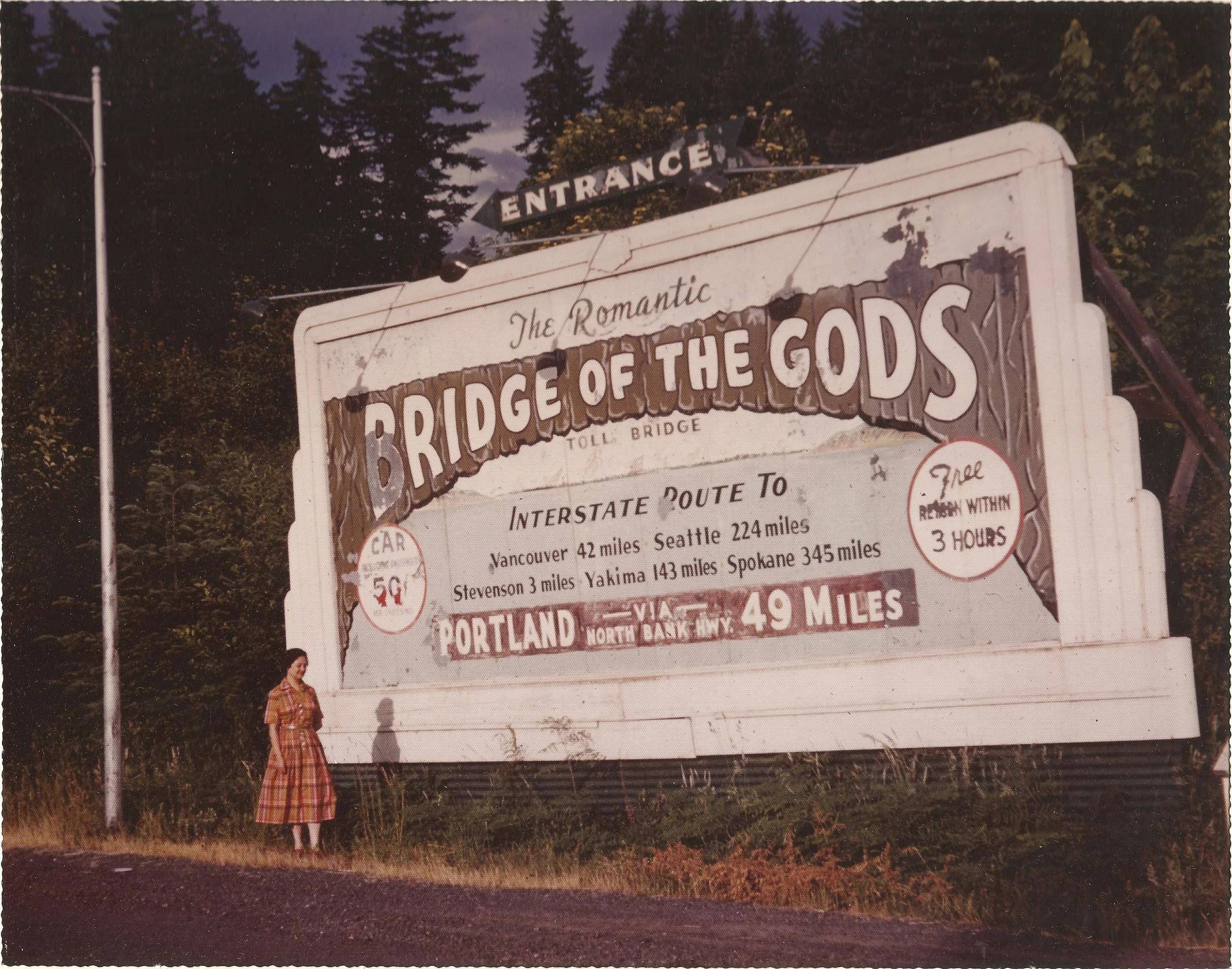
The Bridge of the Gods operated as expected for the next 19 years. The scenic loop was a success. Millions of travelers crossed the bridge. As more highways were built, shipping with trucks increased. The Bridge of the Gods connected an integral trade route, and millions of dollars in freight crossed the bridge.
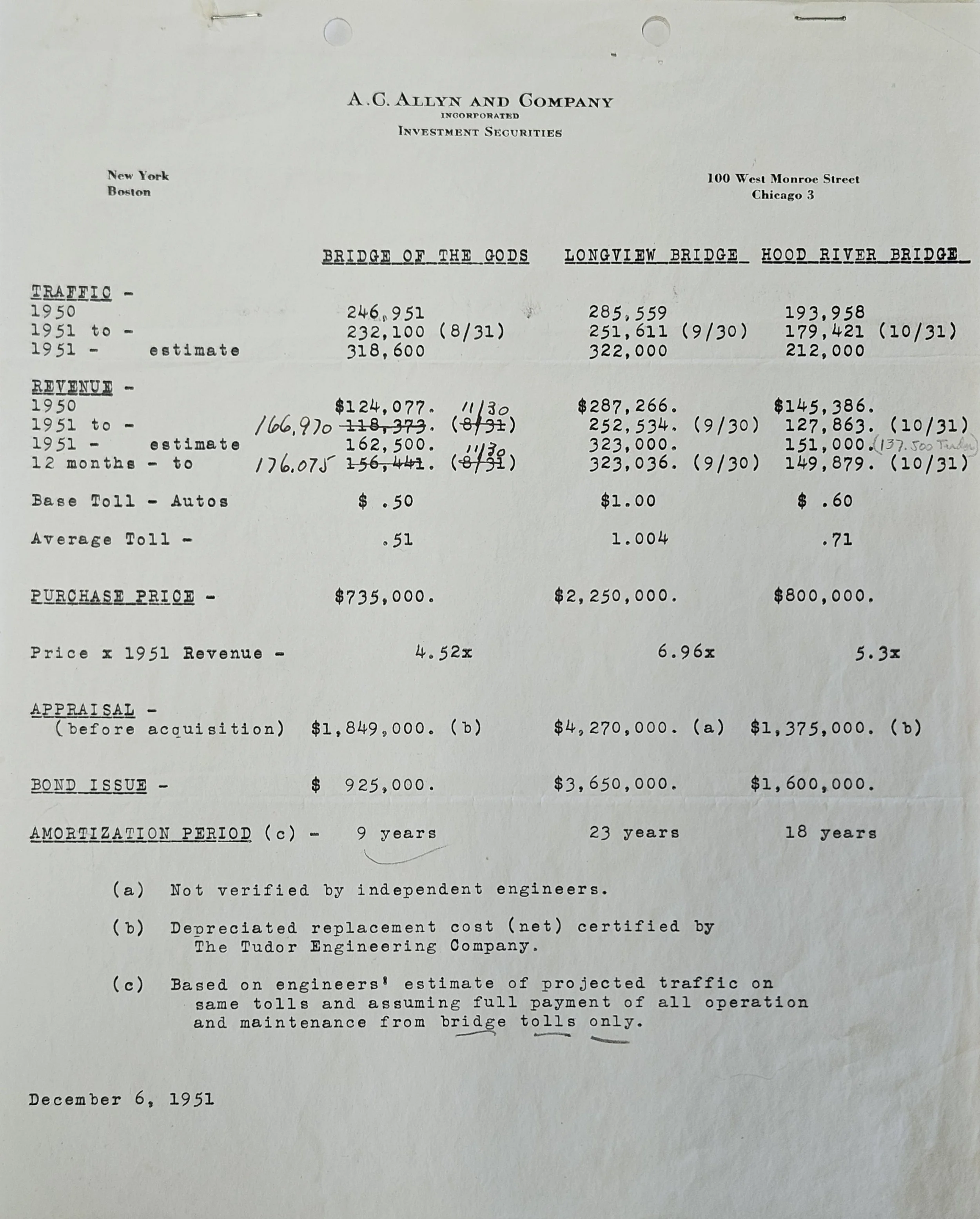
The parent company of the Walla Walla-based Wauna Toll Bridge Company began to shut down its operations in 1952. The Wauna Toll Bridge Company needed to pay back the $200,000 remaining on its mortgage. Shareholders decided to sell the Bridge of the Gods and cash out. They hired the same firms that handled the sale of the Hood River Bridge the previous year: bridge engineer Col. Ralph Tudor and Chicago-based investment firm A.C. Allyn & Co. The firms offered to sell the bridge to local governments for $735,000.
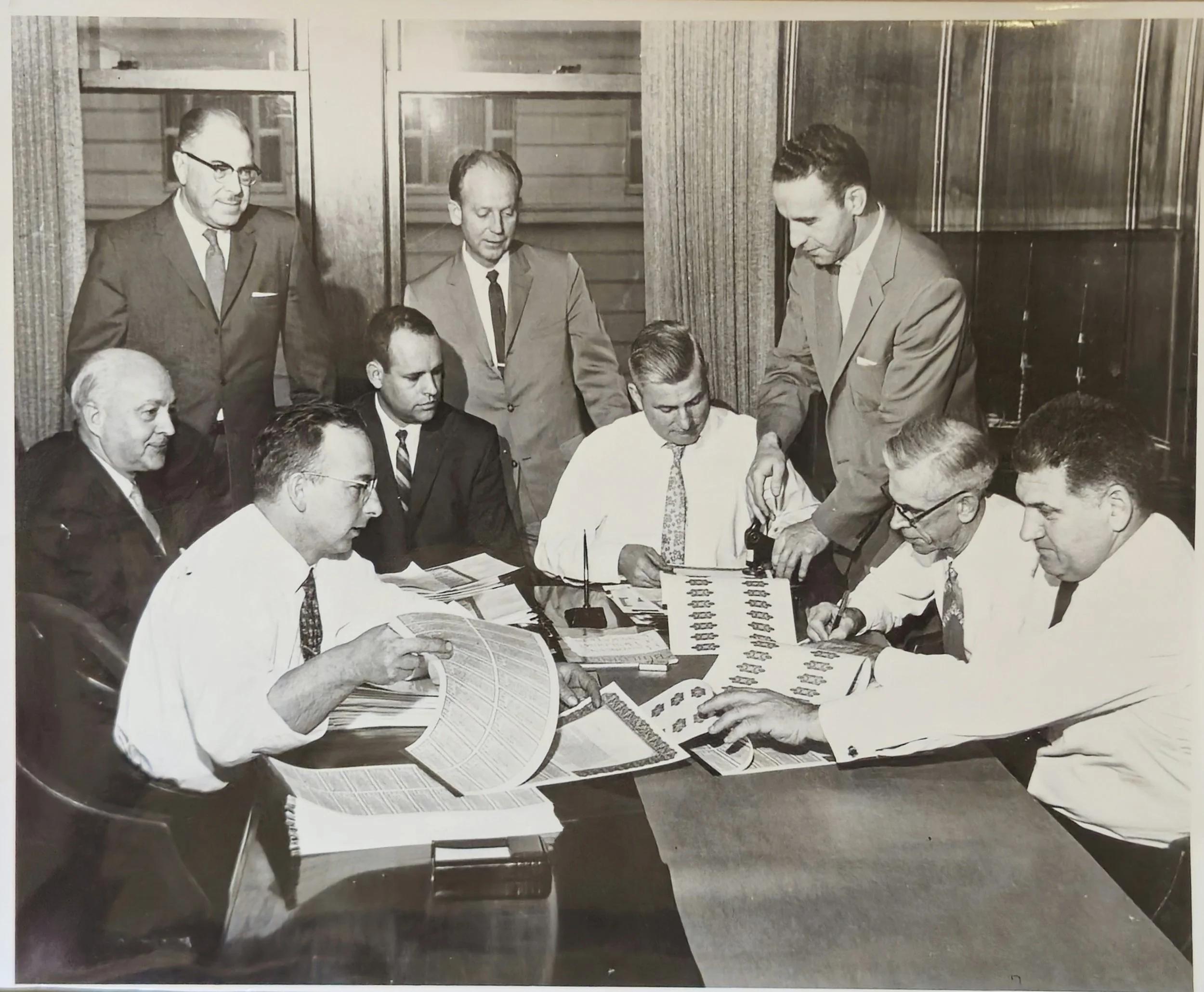
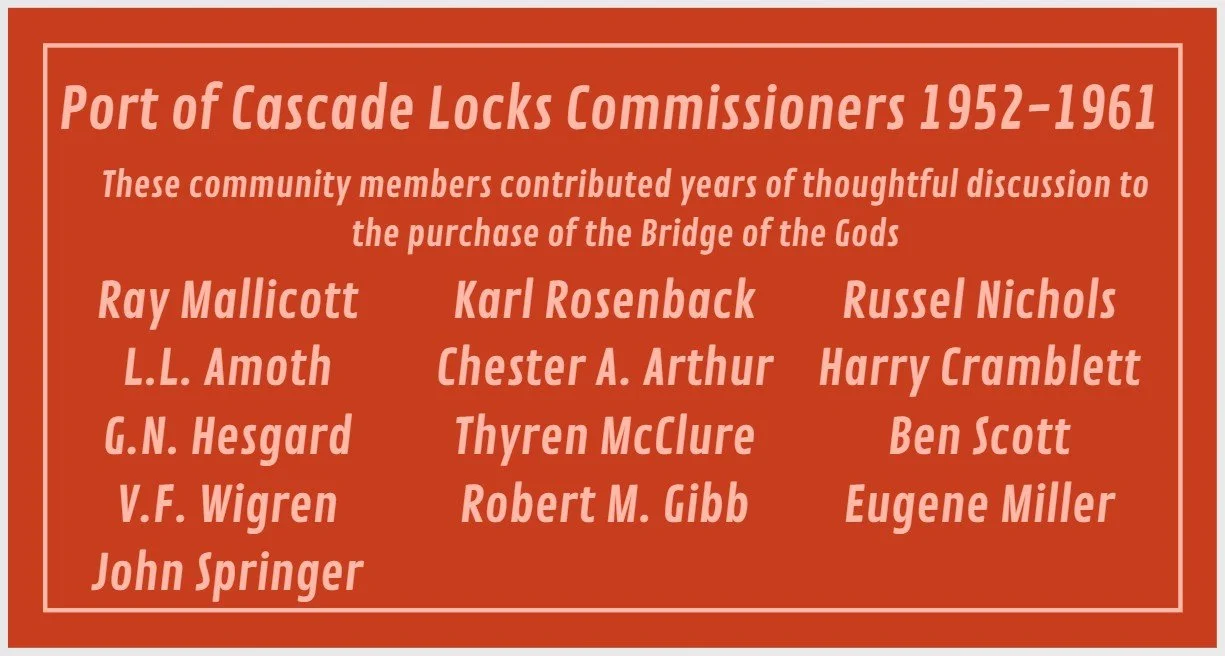
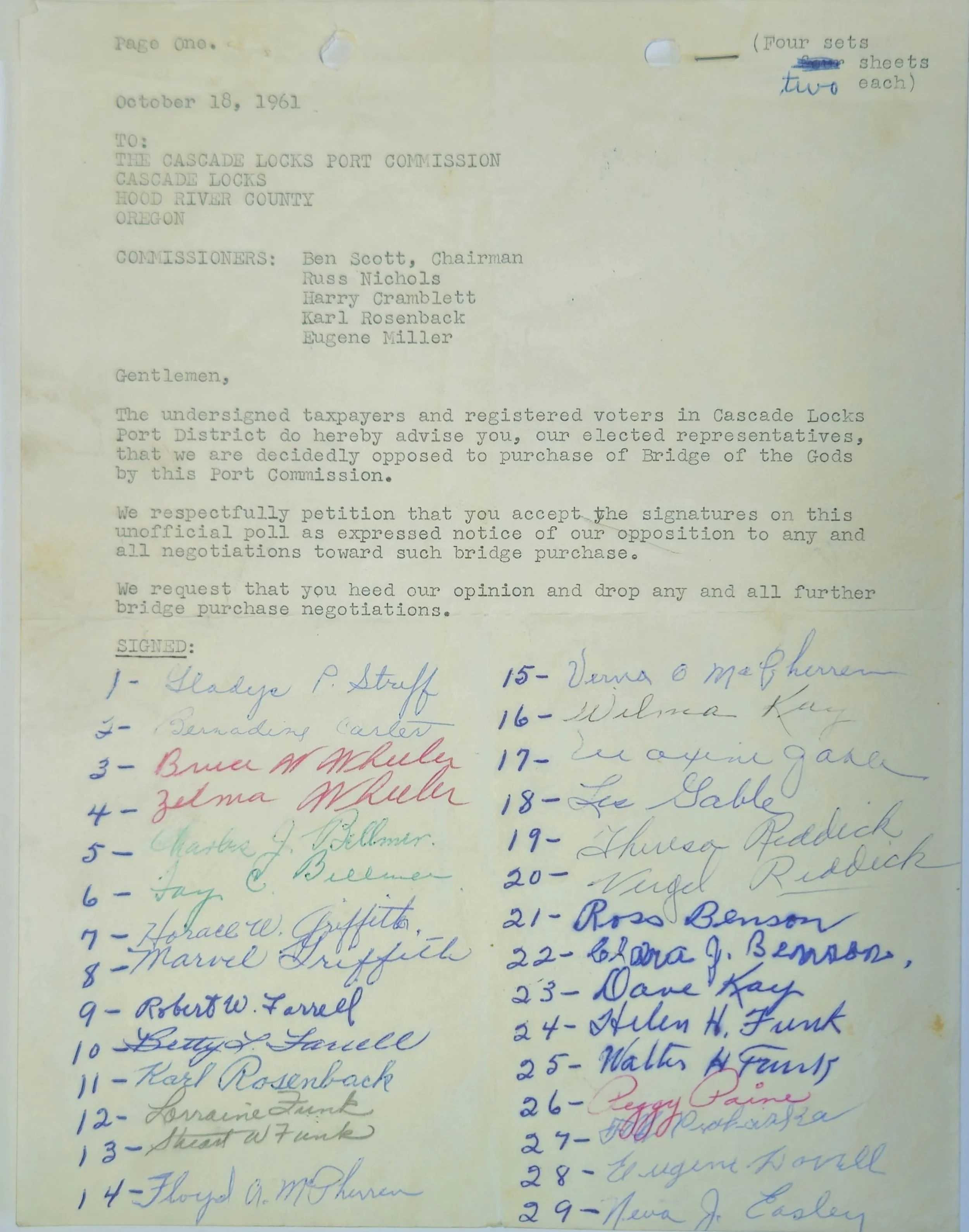
The Port of Cascade Locks saw an opportunity to keep toll revenue in the community rather than watching it go to outside investors. The port commission offered $735,000 for the bridge, and planned to borrow $925,000 in total bonds to cover additional repairs and improvements. However, the emerging port had few assets to leverage. Opponents of the purchase attempted a recall election against three commissioners. Following a packed town hall meeting in May 1952, the port withdrew their offer, citing a lack of public support.
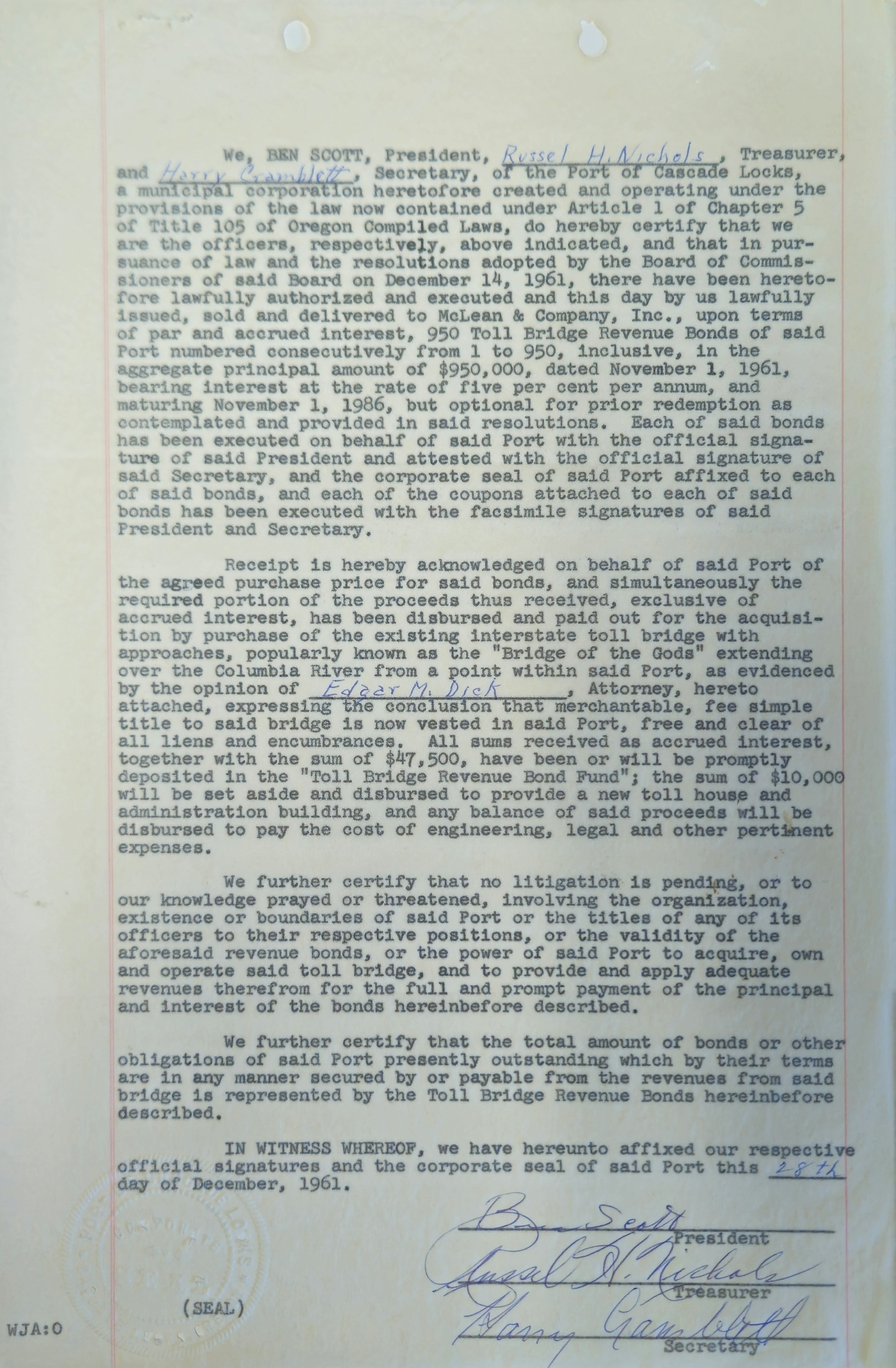
Instead, the Bridge of the Gods sold to A.C. Allyn & Co. for $735,000 in December 1952. The firm formed the Columbia River Toll Bridge Company, headquartered at their regional office in Spokane, to manage the bridge. They continued to negotiate with local municipalities interested in buying the bridge. After 9 years of discussion and growth, the Port bought the bridge for $892,500, backed by $950,000 in bonds, in December 1961.
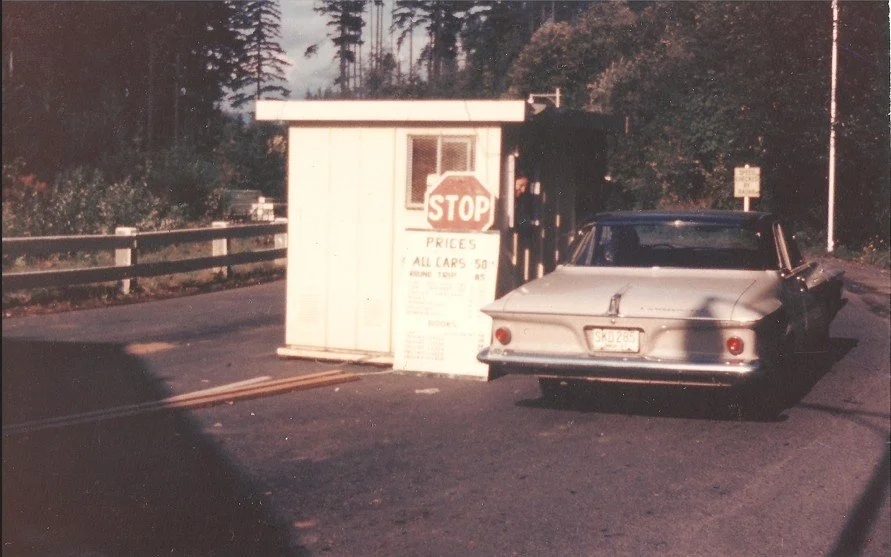
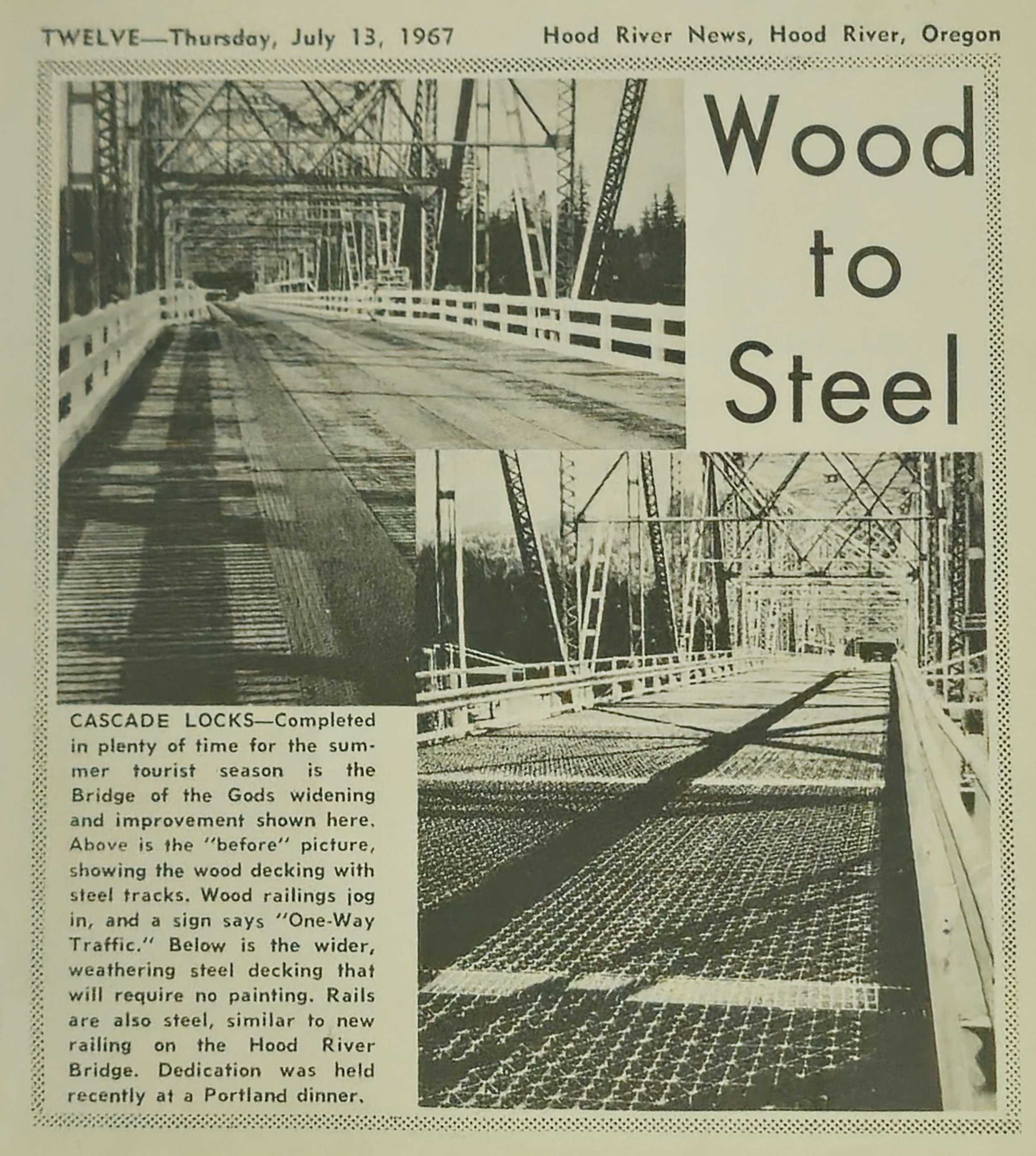
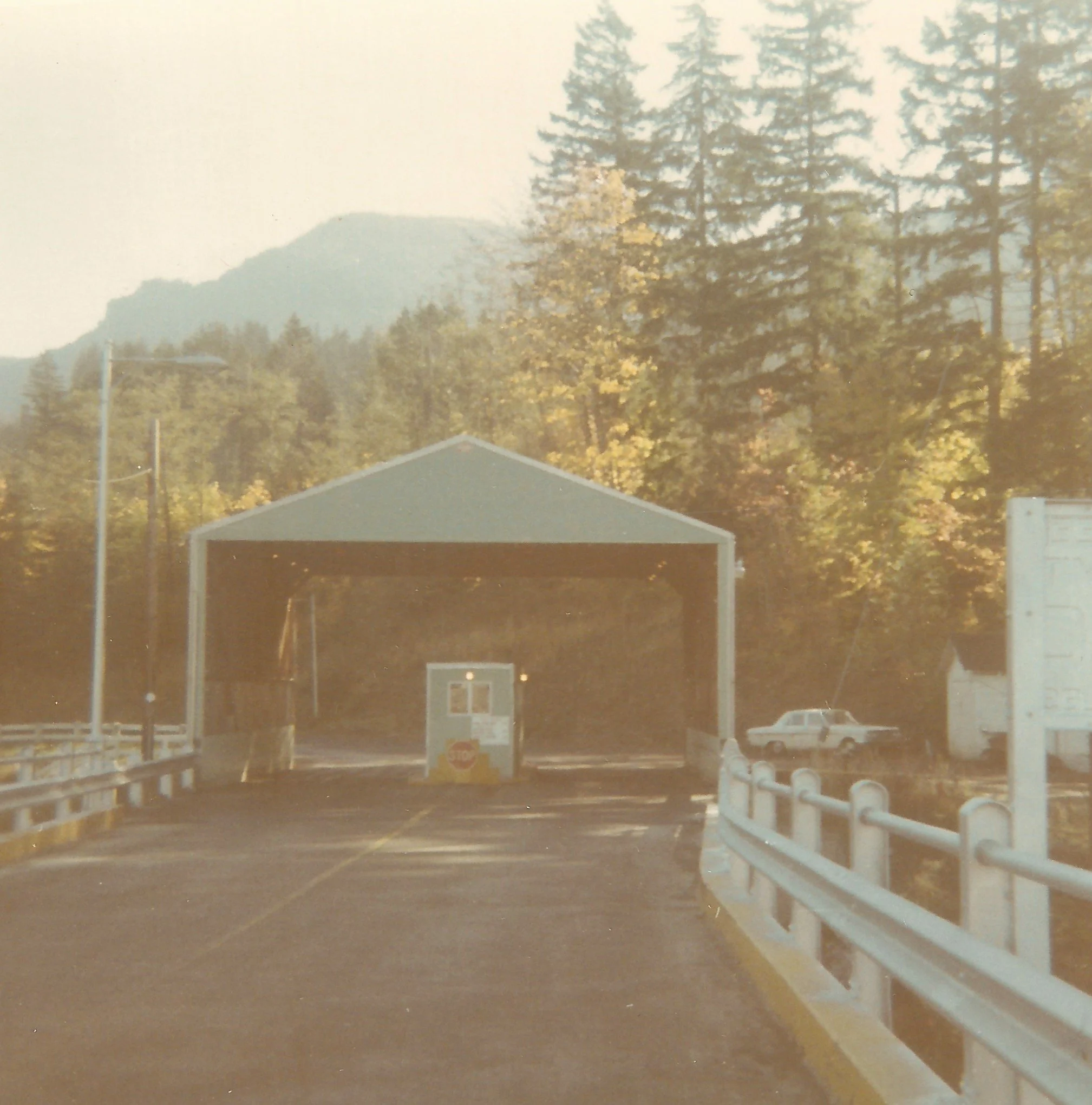
With the bridge finally under local control, the Port put toll revenue to work. The tollbooth was rebuilt in 1962. In 1967, the Port obtained $300,000 in additional bonds to fund the largest improvement yet: replacing the old wooden deck with a wider steel one. It was the kind of long-term investment prioritized by local users. The Port continues to maintain the bridge, reinvesting toll revenue in bridge upkeep and special projects in the community.