cascade locks historical museum

The Martin family disappearance: How could this have happened?

People across the nation watched live as the possible Martin family vehicle was lifted out of the Cascade Locks Canal on Friday, March 7, 2025. After 67 years under more than 50 feet of water, the car broke apart upon removal. Many people are asking: If it was here all this time, why did it take so long to find it?

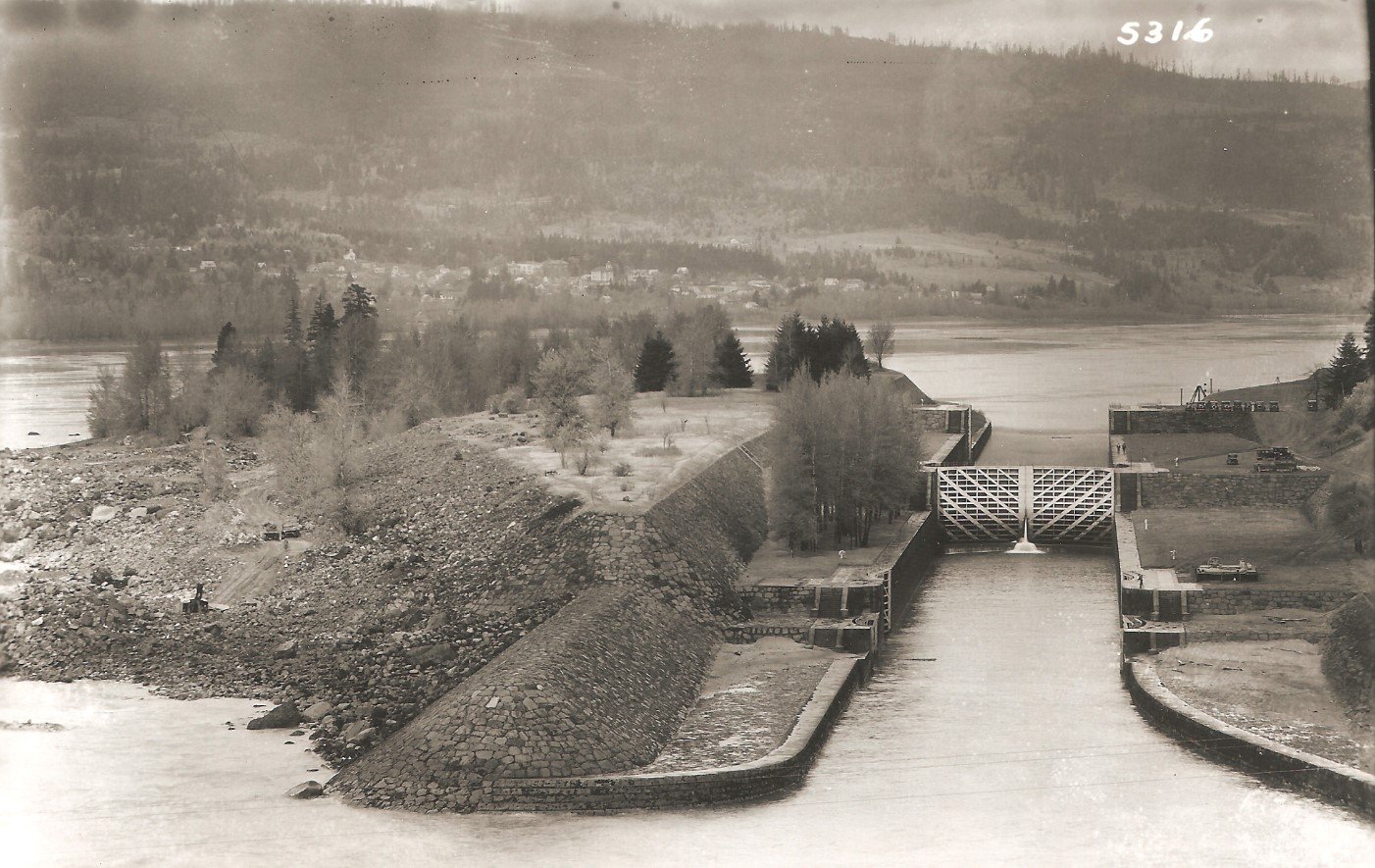
The section of the Columbia River Highway that stretched from Portland to Hood River was completed in 1916, with the highway reaching Cascade Locks in 1915. Cascade Locks and the canal became a popular wayside for drivers to stop, picnic, and watch passing ships. The locks closed in 1938 when the Bonneville Dam was completed, but the old locks remained a scenic destination for relaxation and fishing.

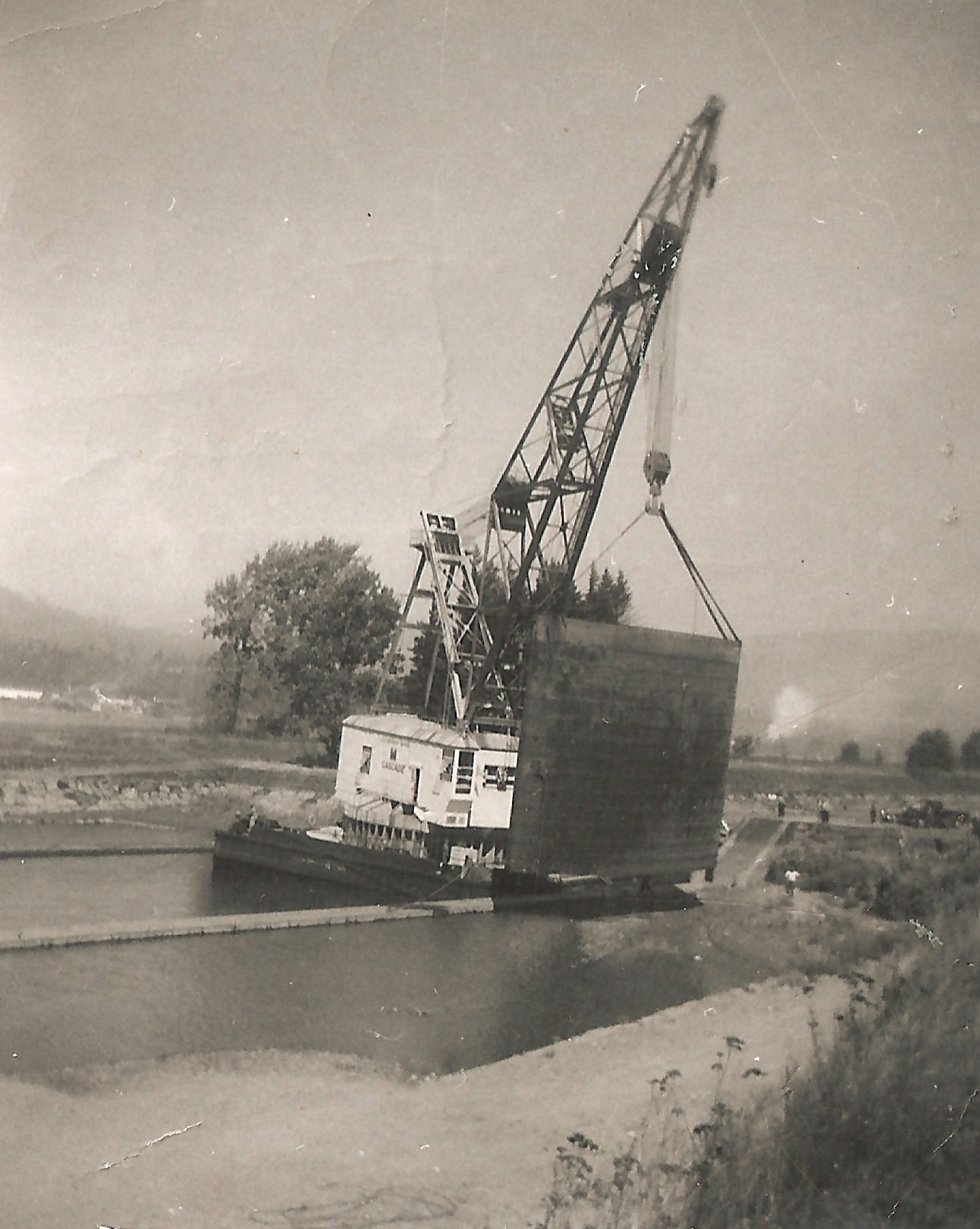
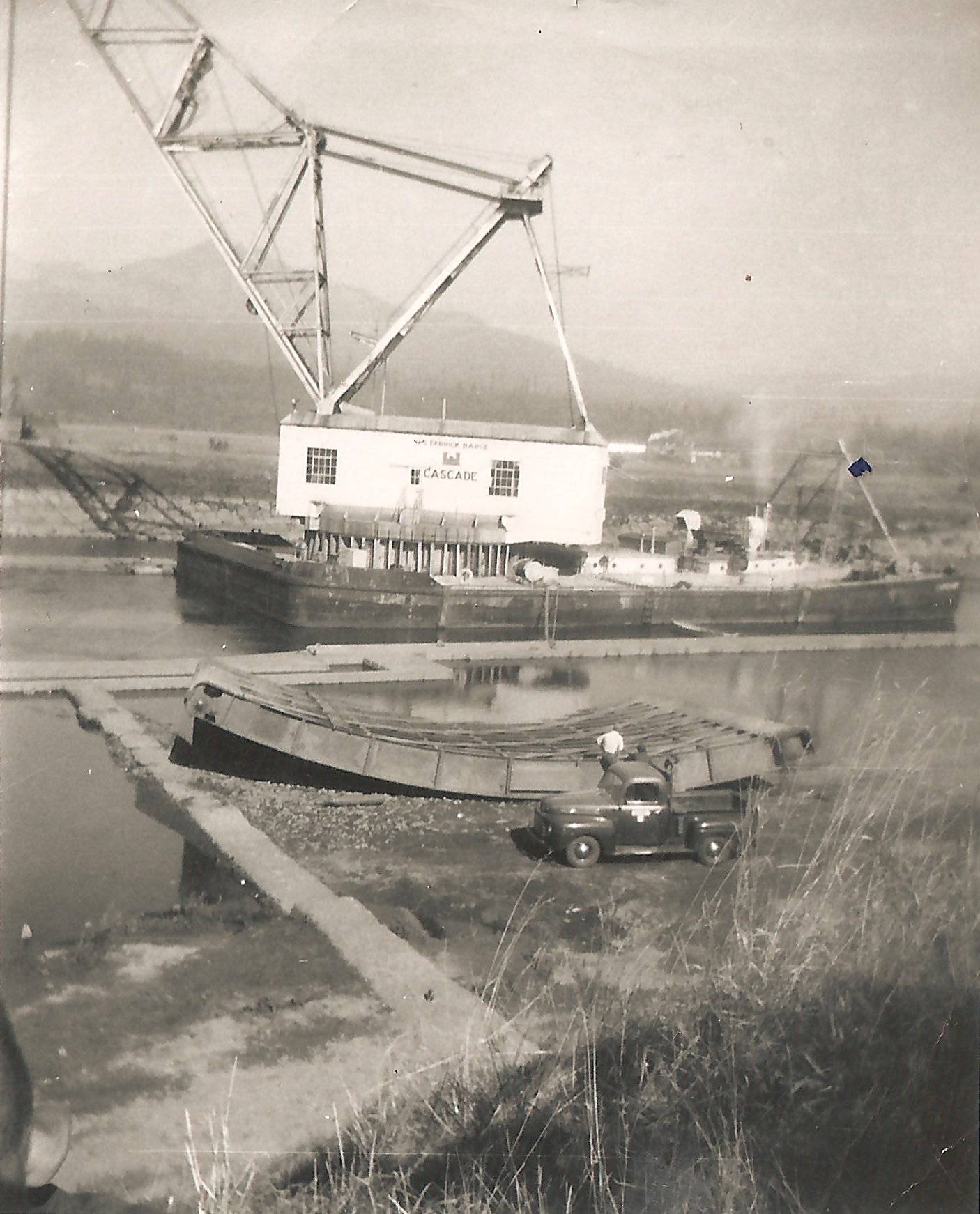
In 1953, the U.S. Army Corps of Engineers removed the upper lock gate and guard gate. The lower lock gate had been underwater for 15 years. It was deemed too buried in silt and debris to be removed and was left in place. This blockage is where the possible Martin family vehicle was recovered.

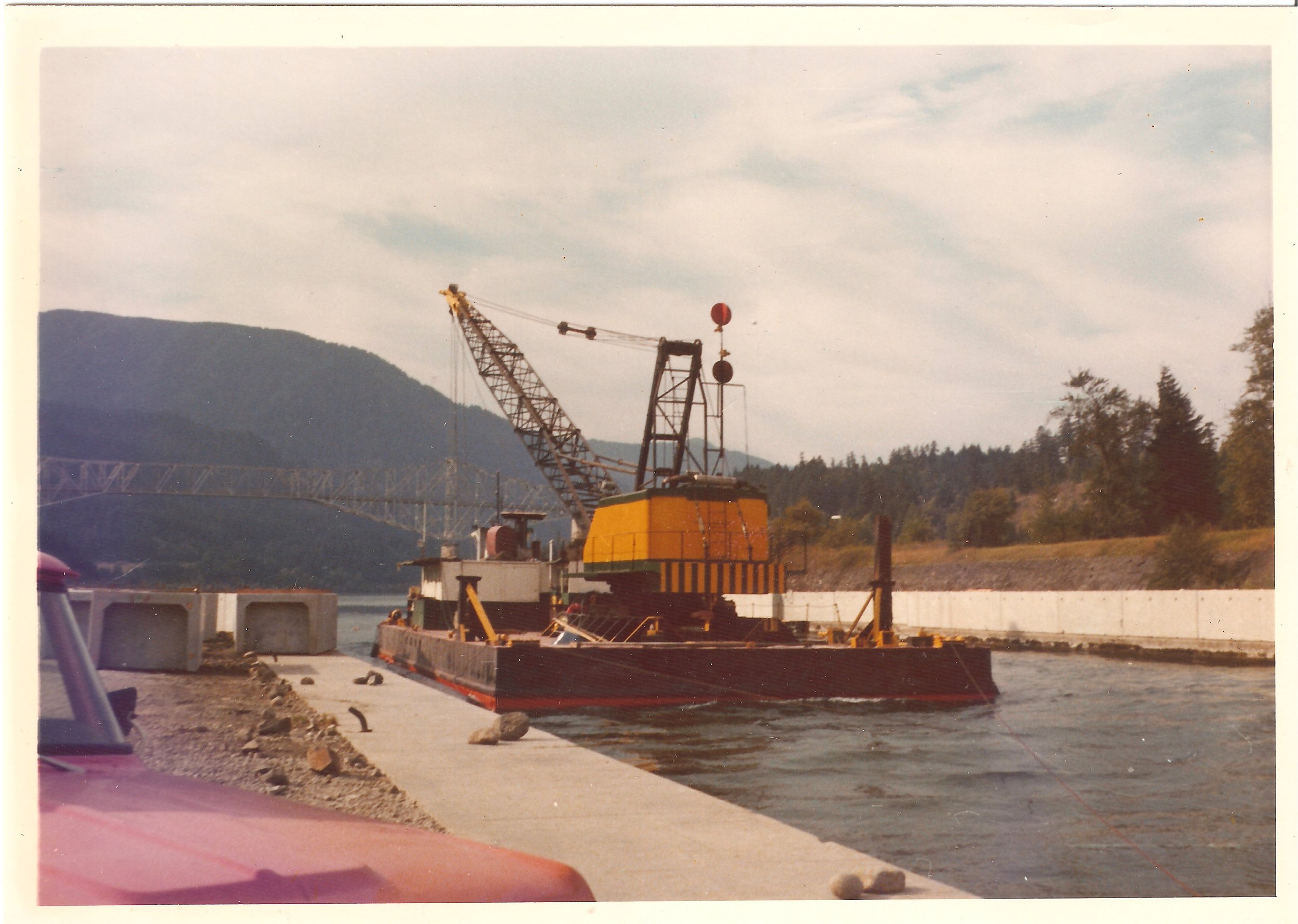
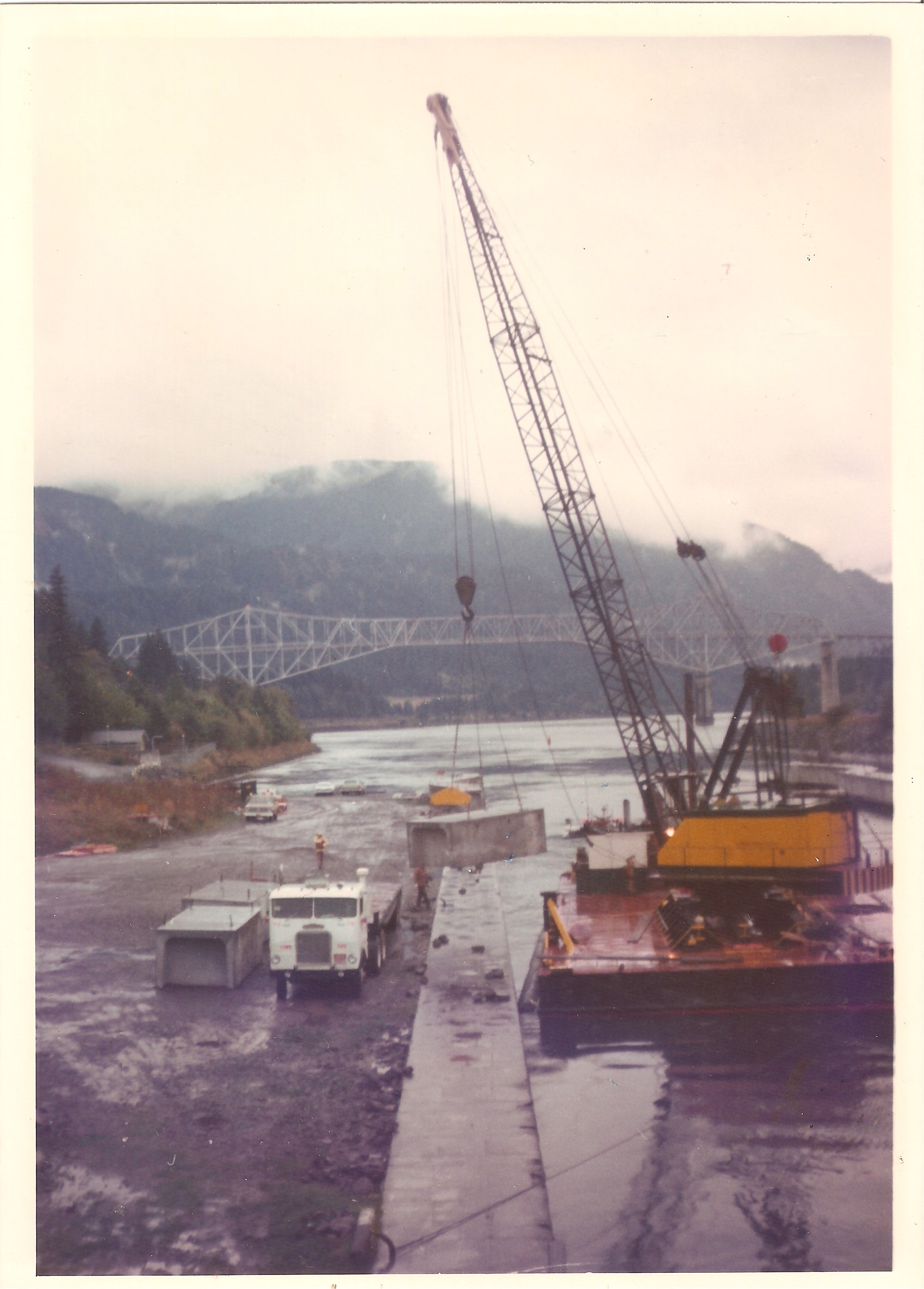
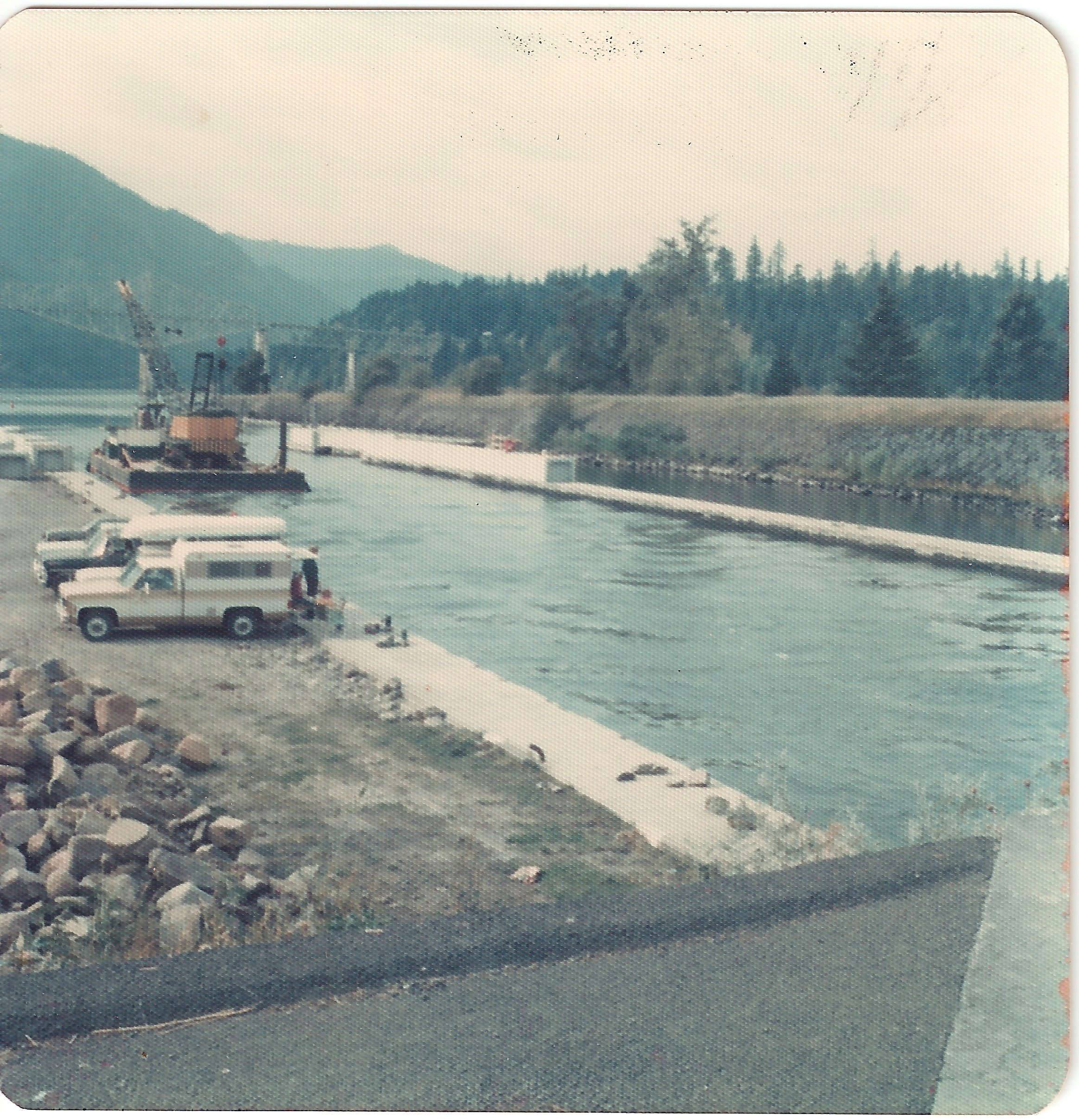
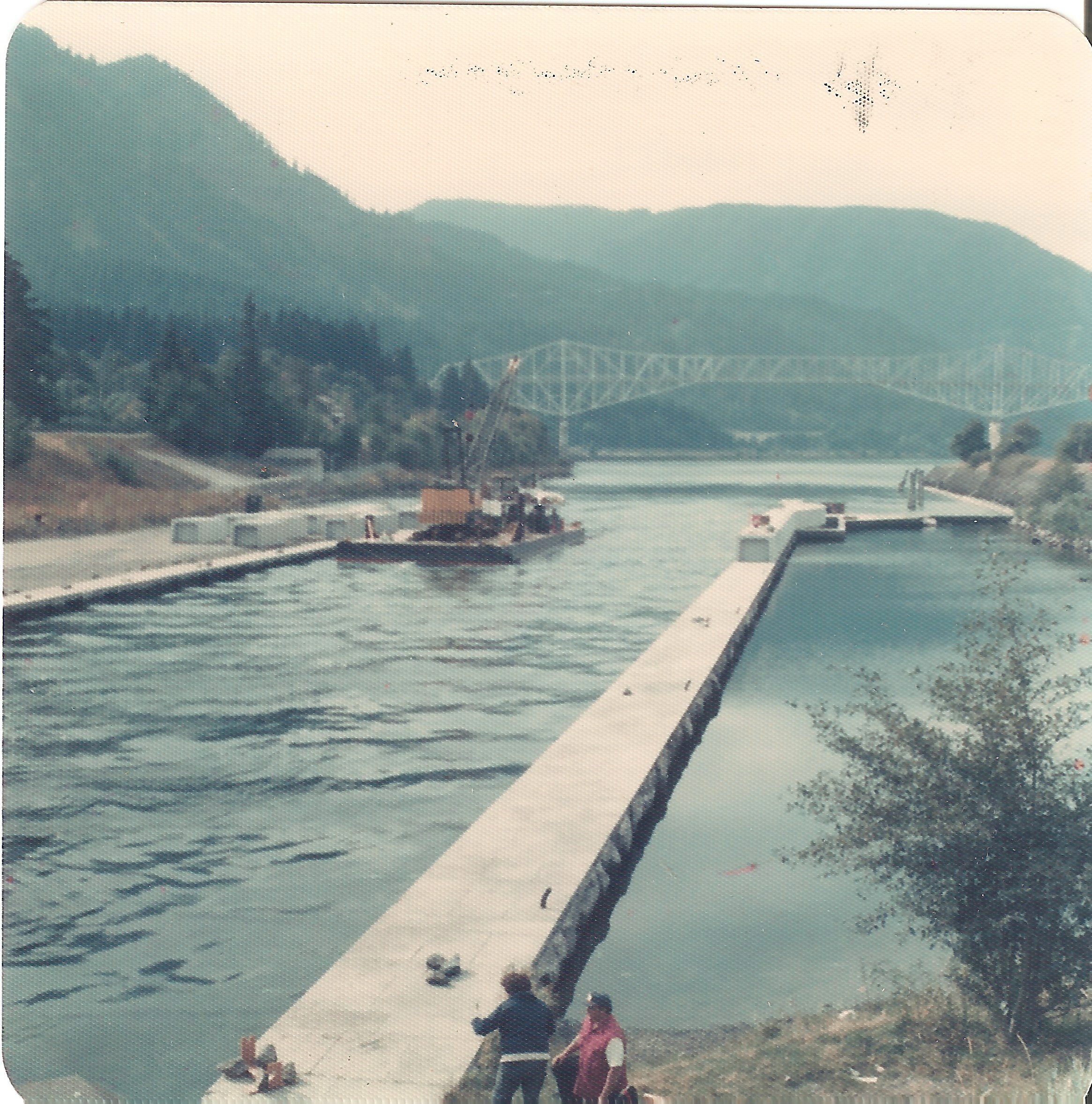
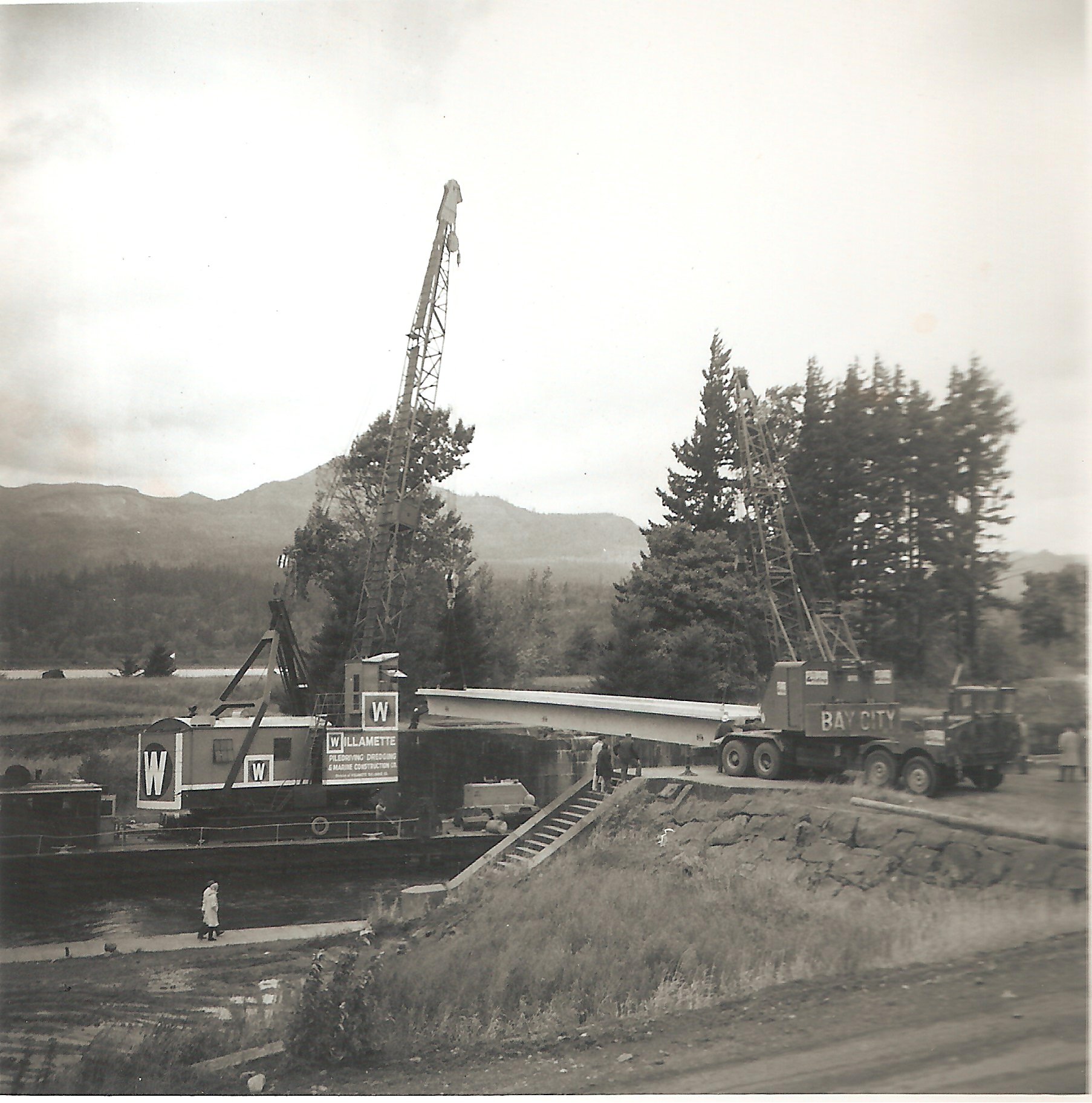
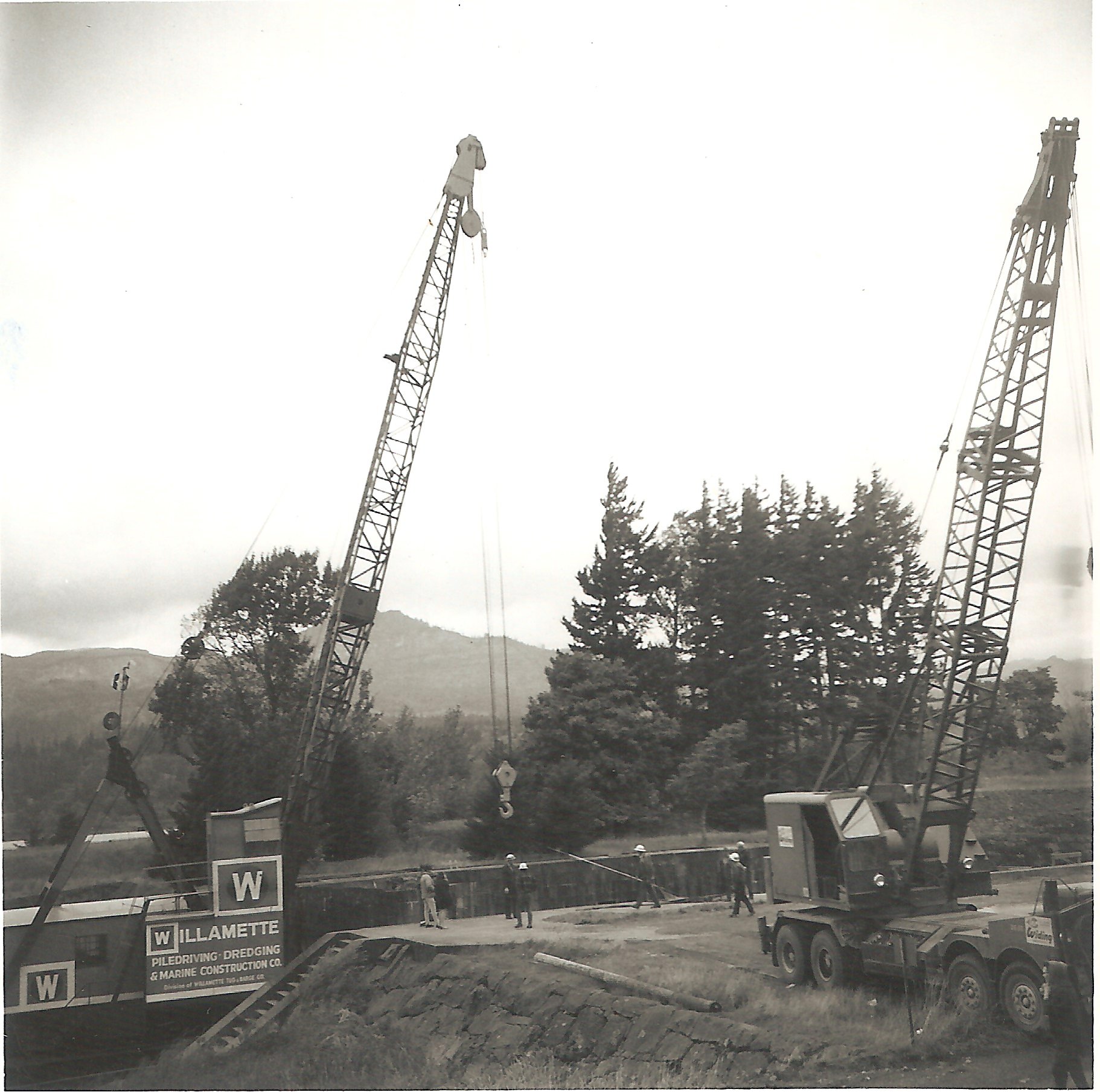
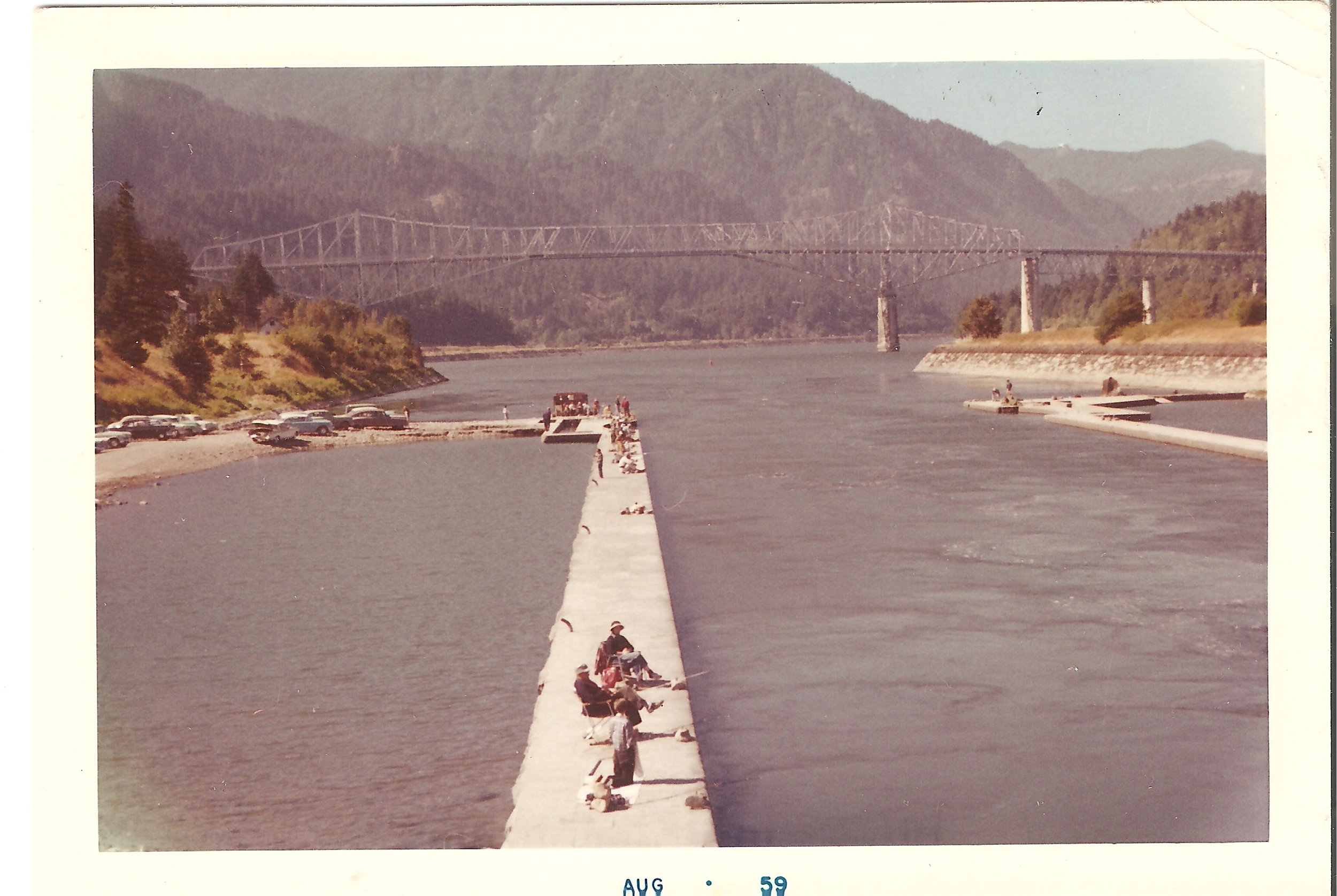
In 1954, the Army Corps transferred the remnants of Cascade Locks and the canal to the Port of Cascade Locks. As required by the property agreement, the Port began developing the area for recreational use, creating Cascade Locks Marine Park. The old canal walls remain a popular fishing destination. In 1969, the Port of Cascade Locks installed a footbridge where the upper lock gate had formerly been, allowing pedestrians to cross the canal. Photos from the footbridge installation show that no safety barriers were in place to prevent cars and people from falling into the canal.

In 1974, construction began on a second powerhouse at Bonneville Dam. The new construction raised the water level in the reservoir. To preserve access to the now-popular recreational uses of the old canal structure, the Port of Cascade Locks worked with the Army Corps to add an additional layer of concrete blocks, raising the top of the canal by five feet. These concrete blocks now serve as the curb that keeps cars within the parking lot.

In addition to the lack of safety features at the time, diving technology was not as advanced. Wetsuits were still cutting-edge military technology, aqualungs were only beginning to become commercially available, and divers primarily relied on old-fashioned diving suits. Given the depth, darkness, debris, and current, it is not surprising that the Martins' vehicle was not discovered earlier.
City of Cascade Locks Celebrates 88th Anniversary

On June 11, 2023, the City of Cascade Locks celebrated its 88th anniversary of the vote that transitioned the community from an unincorporated community into a municipality.

In May 1935, a group of 60 citizens, mostly business owners and long-term residents, filed for the community to be incorporated as a City. The campaign brought out two "parties" of citizens, calling themselves the Independents and Taxpayers’ League. Those in favor of incorporation (the Independents) were looking for the community to embrace several opportunities.

Opportunity 1: Municipal water and electric service. The federal government installed a 10-inch water main as part of the Cascade Locks and Canal system that would need to be turned over to a municipality after the Bonneville Dam was completed in 1938. Citizens also desired street lighting improvements with the promise of hydroelectric power.

Excerpt from The Bonneville Dam chronicle., May 23, 1935.
Courtesy of Hood River County Library, housed online at https://oregonnews.uoregon.edu/

Opportunity 2: Highway service. While the Columbia River Highway 30 reached Cascade Locks by 1916, in the 1930s there was a big reconstruction project making improvements to the road. This was a point of confusion for some Cascade Locks residents, some fearful that incorporating the town would halt highway work. The highway contractors rebutted that incorporated towns actually got more resources from the government and better highway treatment.

Opportunity 3: Park land. Residents knew that the Government Locks Reservation would become available after the completion of the Bonneville Dam. The Army would be willing to turn the land over to a municipality, but not an unincorporated community.

Political newspaper ad that reads "We urge you in the interests of a greater cascade locks to vote yes in the election June 11 on the incorporation of Cascade Locks." Full screen reader text at https://tinyurl.com/4kupxjcz

Political ad from The Bonneville Dam chronicle., June 6, 1935.
Courtesy of Hood River County Library, housed online at https://oregonnews.uoregon.edu/

Opportunity 4: School control. 123 parents signed a petition against the Cascade Locks Schools superintendent Vernon G. Henderson in 1935, charging "moral turpitude," and citing the unacceptable culture of open smoking and no discipline at the high school, and that he couldn't teach mathematics. Following these charges, the Hood River county school district made the decision to terminate the contracts with Cascade Locks School principal Frank Autrieth and teacher Averill Stewart outright, and made a "gentleman's agreement" with Henderson that while his contract would be extended for one more year, he would not teach and seek another school. This was met with public outcry, but under the county system there was no option for appeal or recall on the school board.

Opportunity 5: Fire department. In 1934, the downtown business area experienced a devastating fire when a teenager blew up a fireworks stand. Citizens desired municipal fire suppression services.

Opportunity 6: Law and speed enforcement. Municipalities can choose to implement law enforcement and speed limits.

The primary argument against incorporating was that it would increase taxes. While tax increases are always contentious, this was the Great Depression. Many newer residents in Cascade Locks at this time had to abandon their homes in other places to come to work on federal WPA and CCC projects, building on the dam, trail systems, and highways. However, the rhetoric and descriptions accuse the loudest opponents of being wealthy investors making large purchases to develop commercial property and housing.

At the resulting election on June 11, 1935, the Independents won, incorporating the City of Cascade Locks. Once incorporation was certified, a rapid campaign ensued to elect a mayor, council, treasurer, recorder, and marshal. Captain Charles Nelson was elected to be the first mayor of Cascade Locks. The first city council included S.E. Perras, Carl Epping, Seth Clodfelter, Max Millsap, Julius Carlson, and Mae Silva.