columbia river gorge

The Martin family disappearance: How could this have happened?

People across the nation watched live as the possible Martin family vehicle was lifted out of the Cascade Locks Canal on Friday, March 7, 2025. After 67 years under more than 50 feet of water, the car broke apart upon removal. Many people are asking: If it was here all this time, why did it take so long to find it?

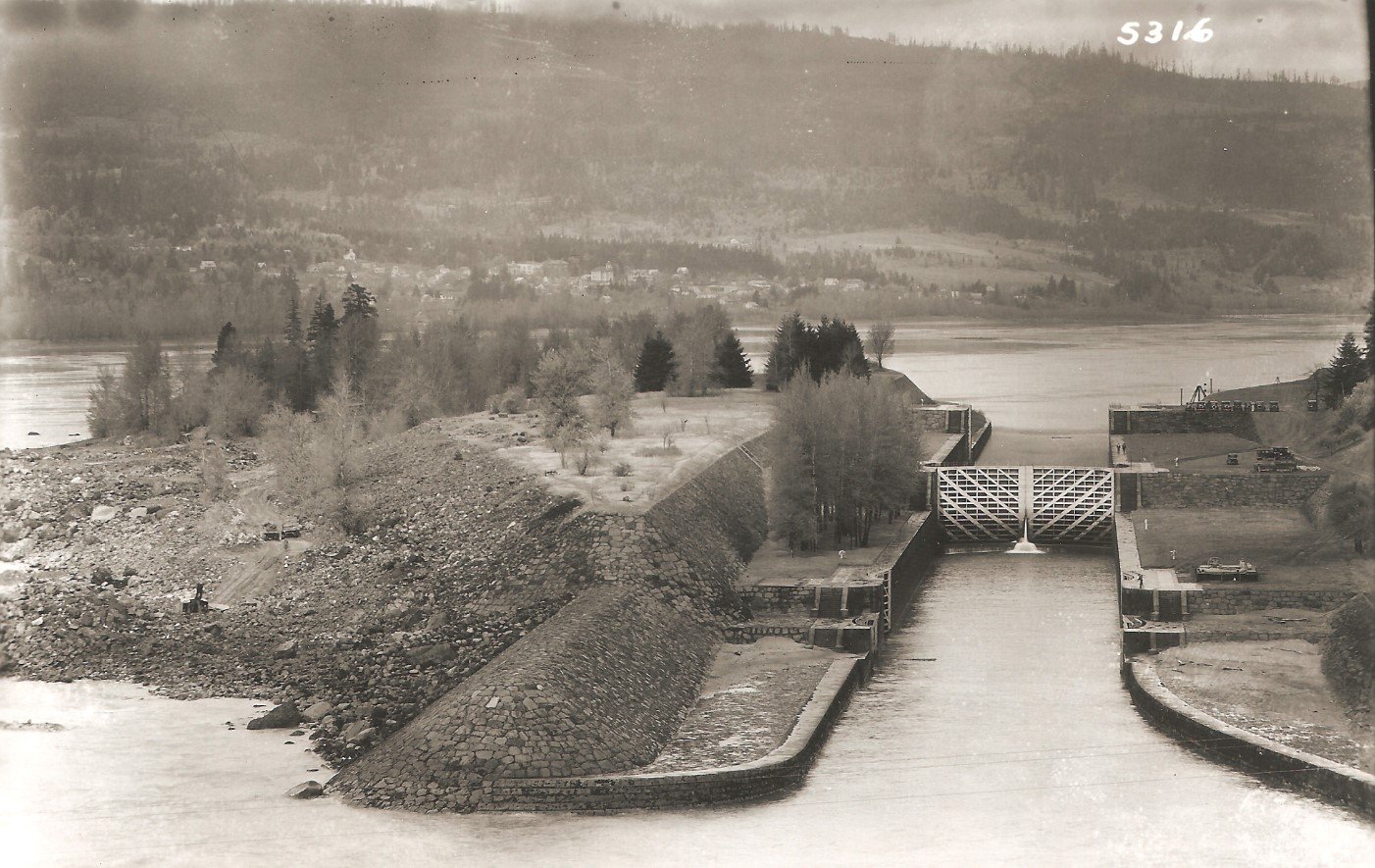
The section of the Columbia River Highway that stretched from Portland to Hood River was completed in 1916, with the highway reaching Cascade Locks in 1915. Cascade Locks and the canal became a popular wayside for drivers to stop, picnic, and watch passing ships. The locks closed in 1938 when the Bonneville Dam was completed, but the old locks remained a scenic destination for relaxation and fishing.

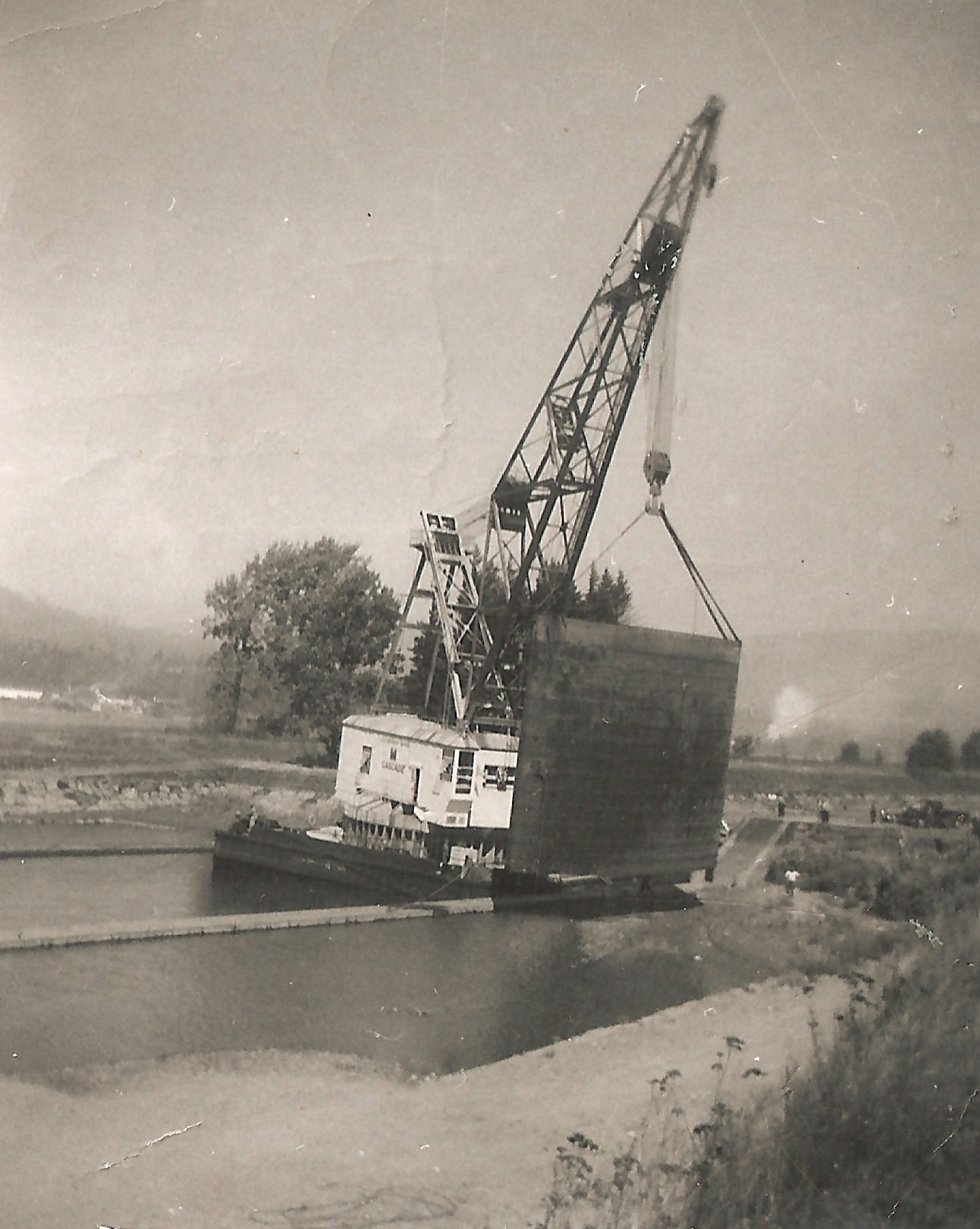
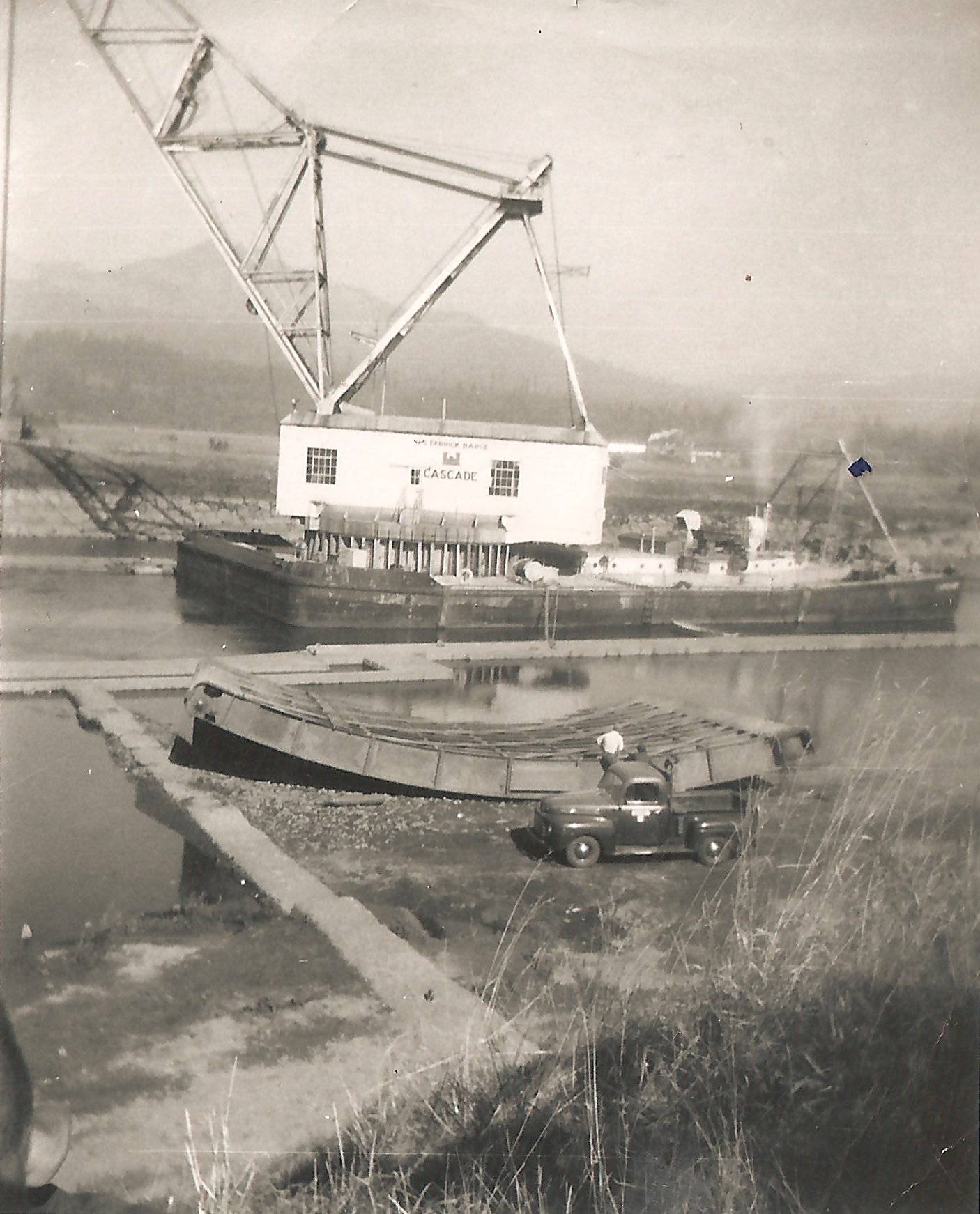
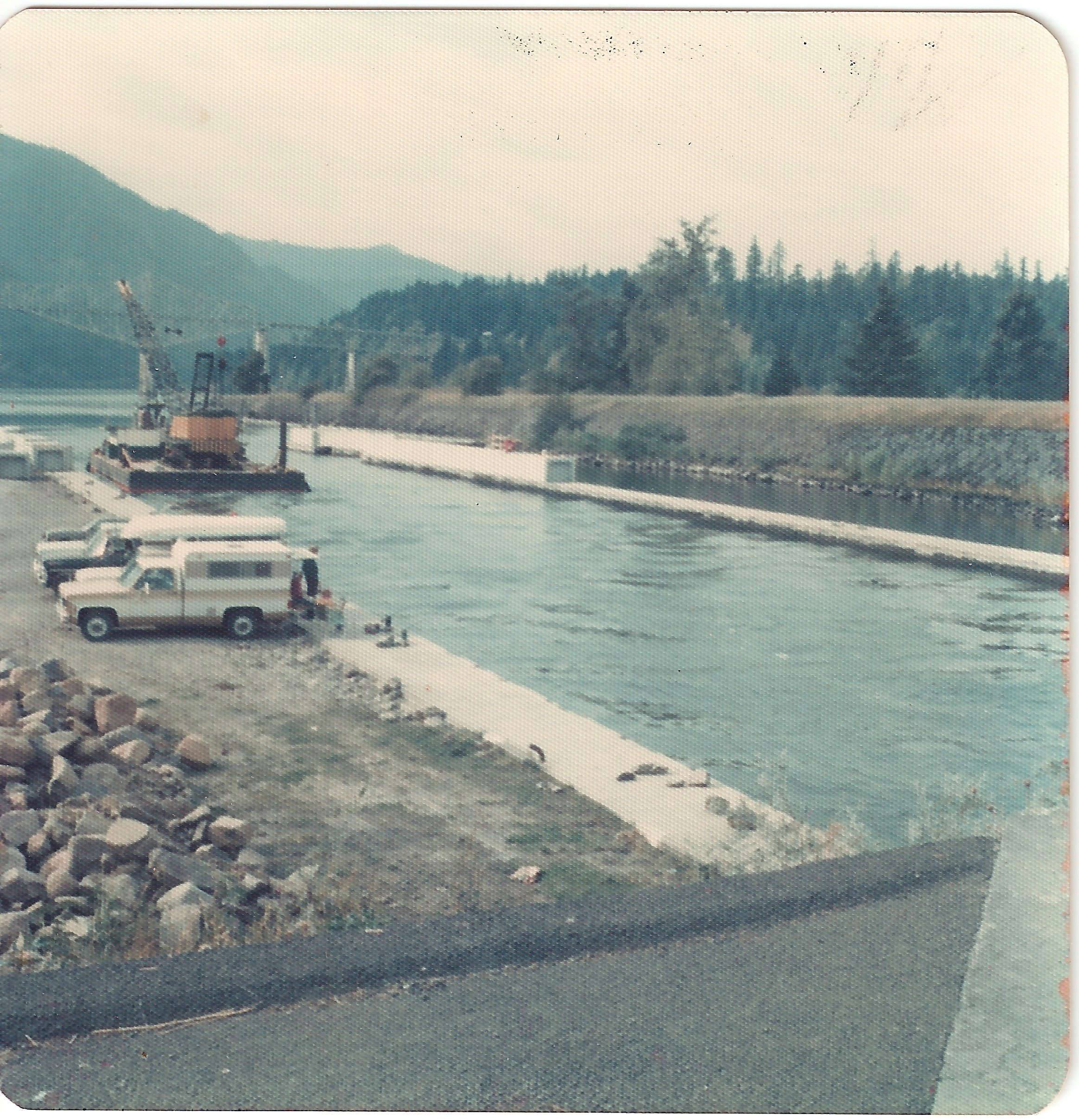
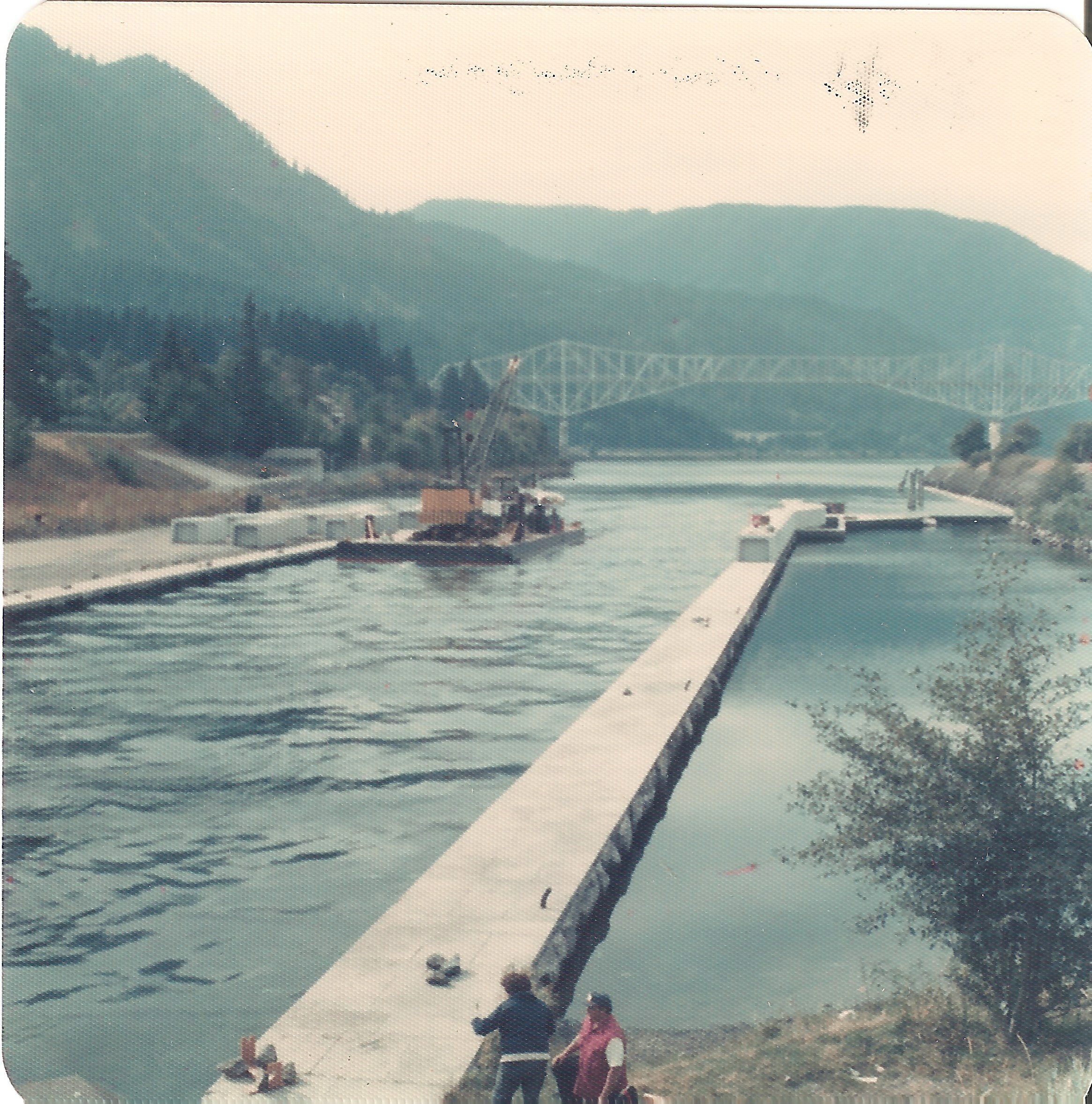
In 1953, the U.S. Army Corps of Engineers removed the upper lock gate and guard gate. The lower lock gate had been underwater for 15 years. It was deemed too buried in silt and debris to be removed and was left in place. This blockage is where the possible Martin family vehicle was recovered.

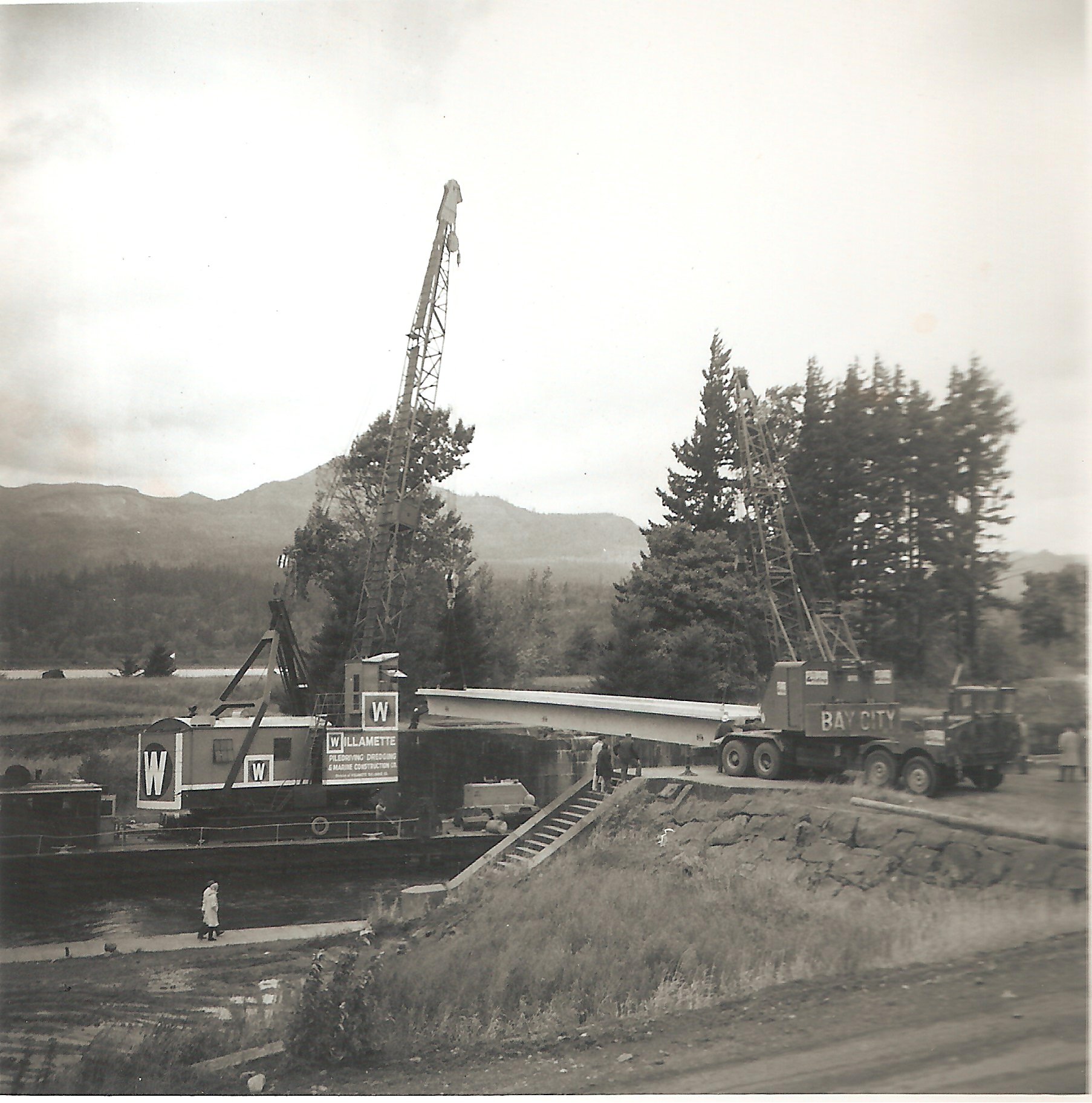
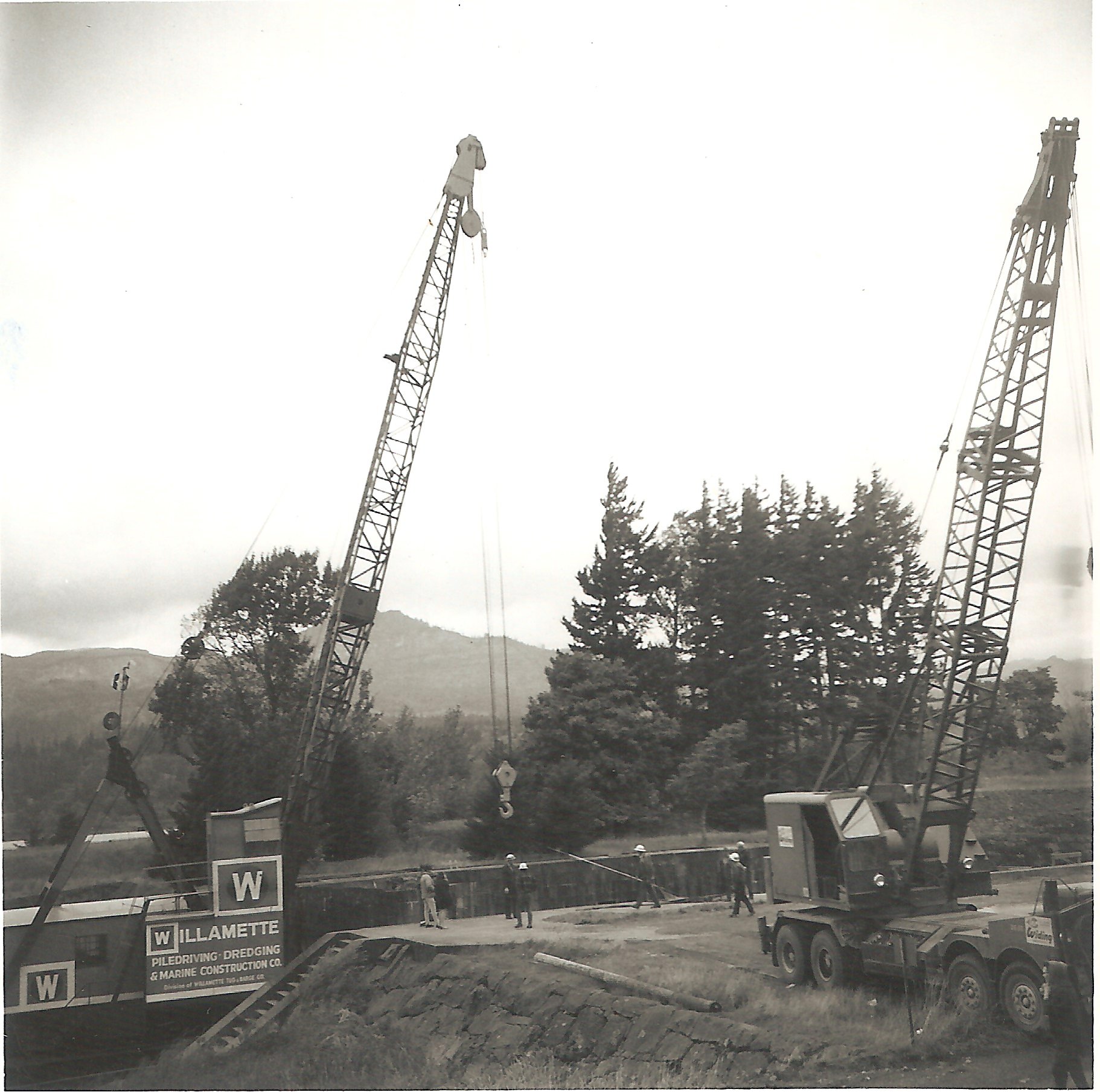
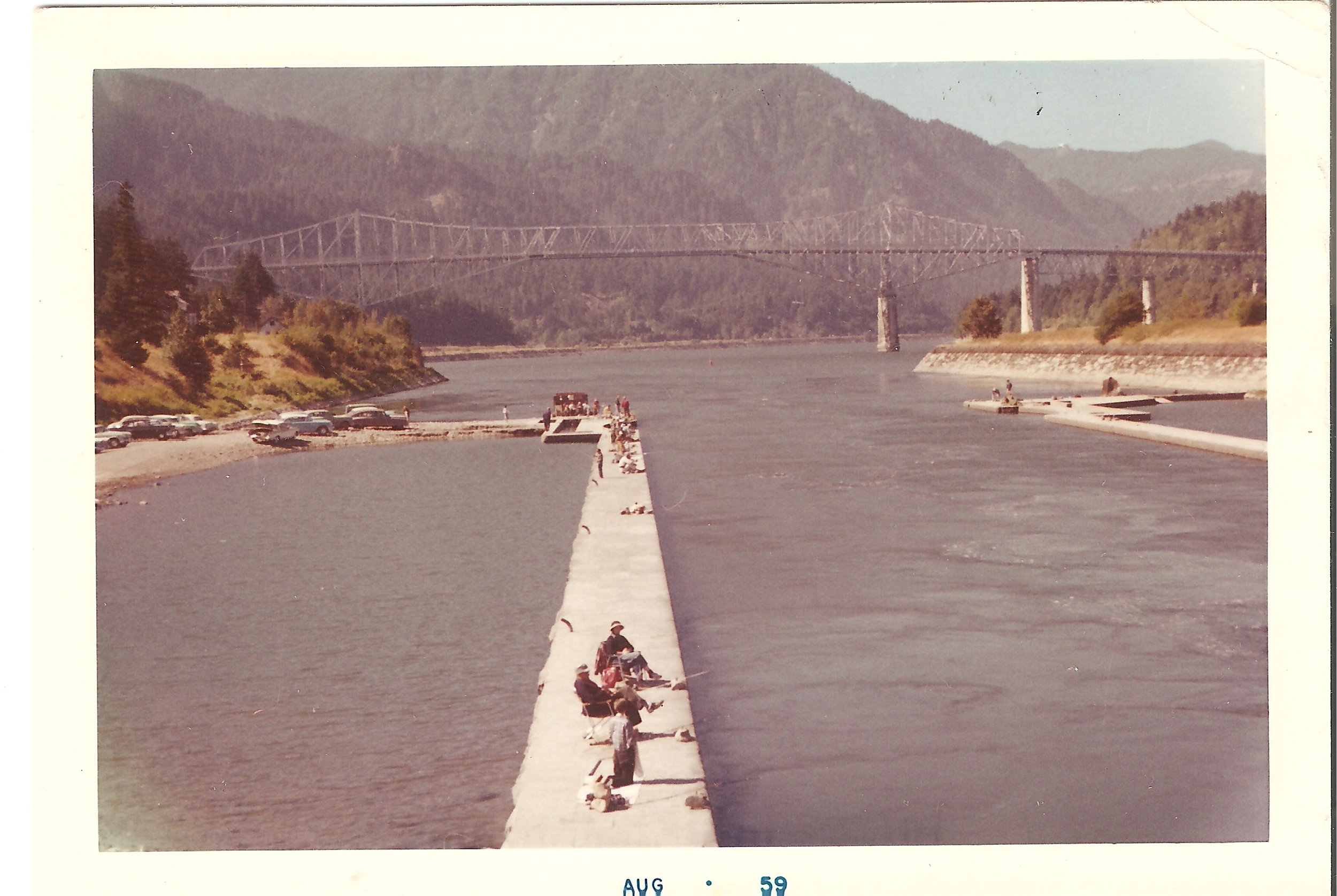
In 1954, the Army Corps transferred the remnants of Cascade Locks and the canal to the Port of Cascade Locks. As required by the property agreement, the Port began developing the area for recreational use, creating Cascade Locks Marine Park. The old canal walls remain a popular fishing destination. In 1969, the Port of Cascade Locks installed a footbridge where the upper lock gate had formerly been, allowing pedestrians to cross the canal. Photos from the footbridge installation show that no safety barriers were in place to prevent cars and people from falling into the canal.

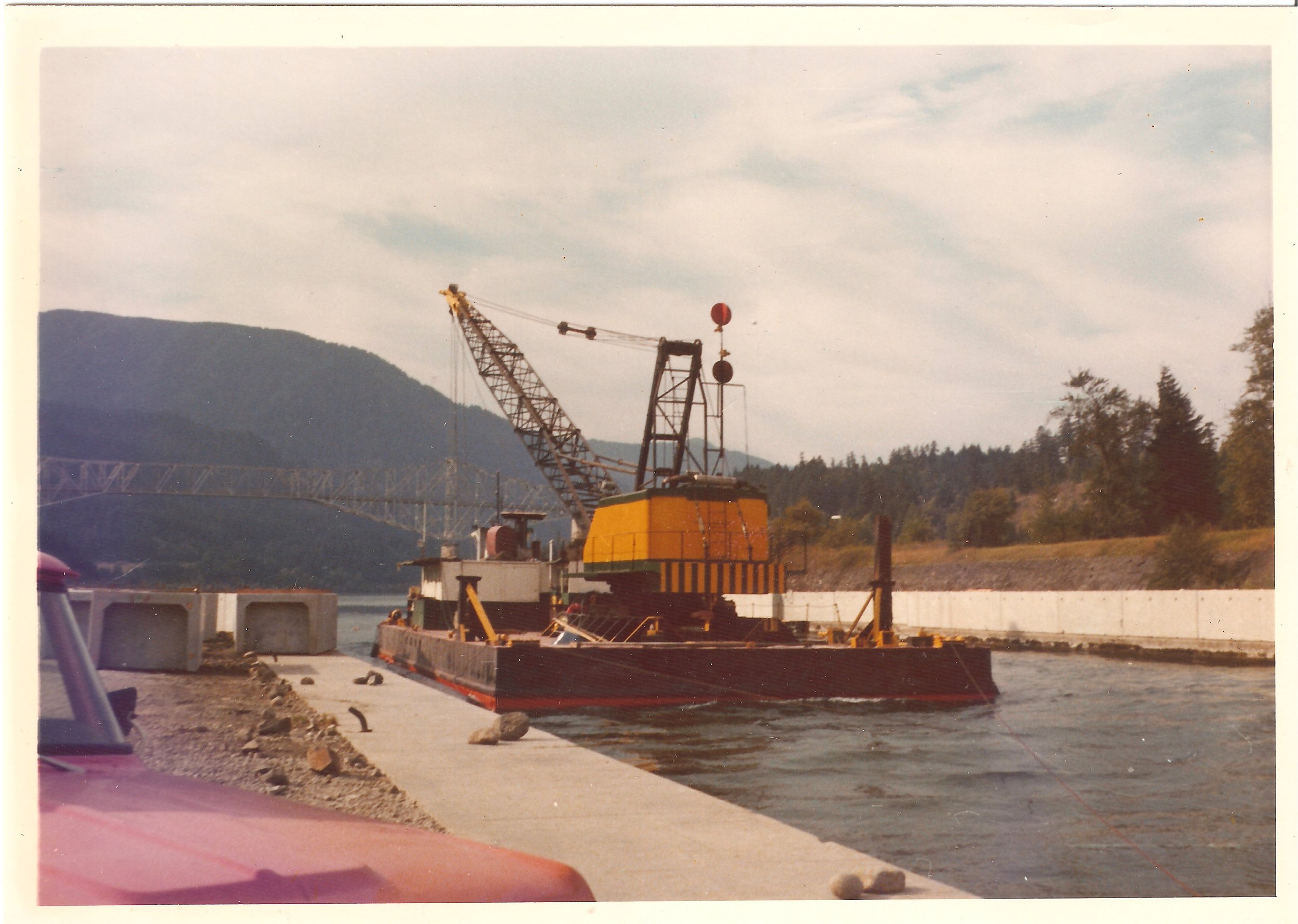
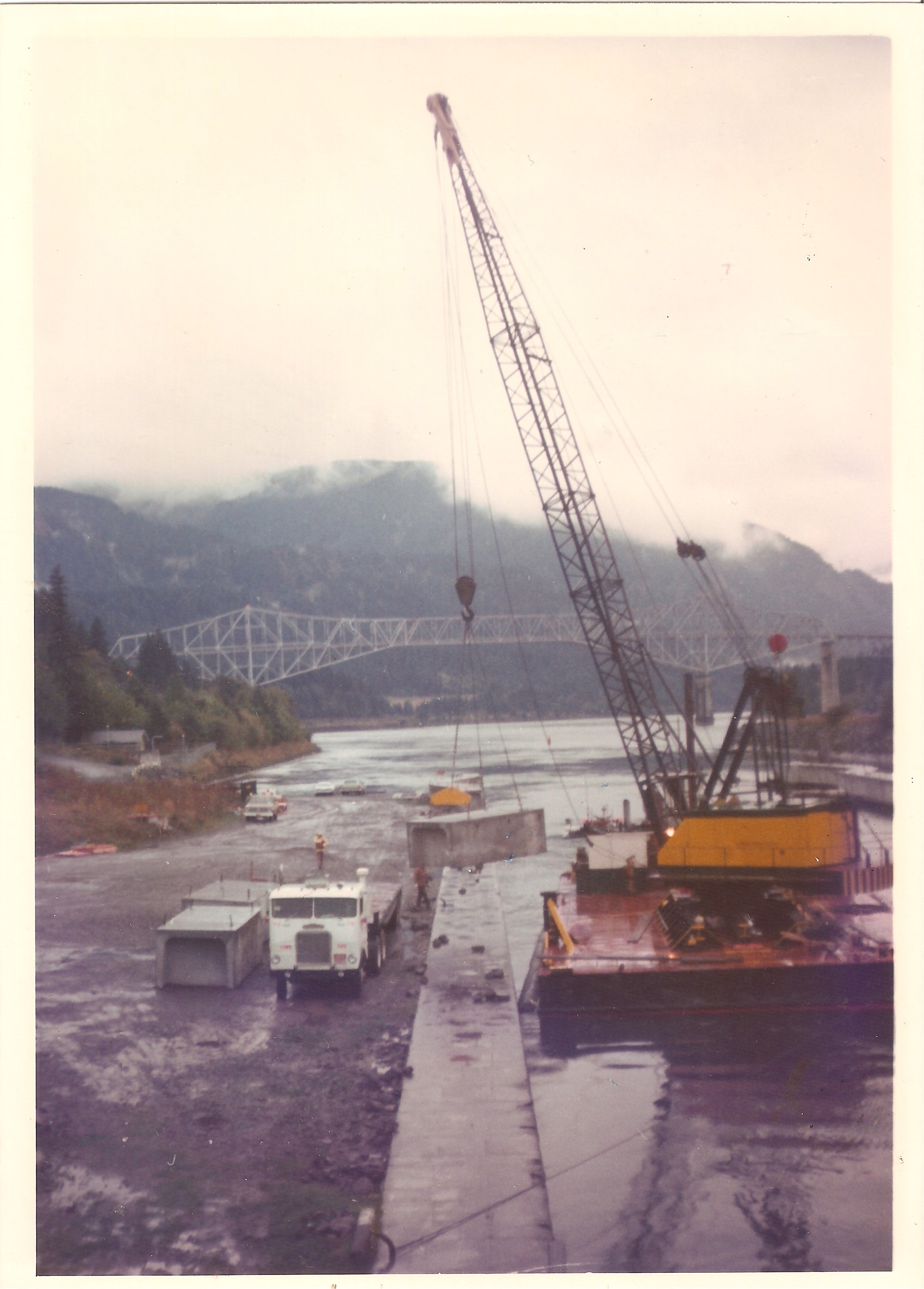
In 1974, construction began on a second powerhouse at Bonneville Dam. The new construction raised the water level in the reservoir. To preserve access to the now-popular recreational uses of the old canal structure, the Port of Cascade Locks worked with the Army Corps to add an additional layer of concrete blocks, raising the top of the canal by five feet. These concrete blocks now serve as the curb that keeps cars within the parking lot.

In addition to the lack of safety features at the time, diving technology was not as advanced. Wetsuits were still cutting-edge military technology, aqualungs were only beginning to become commercially available, and divers primarily relied on old-fashioned diving suits. Given the depth, darkness, debris, and current, it is not surprising that the Martins' vehicle was not discovered earlier.
Mae Silva: The first woman to sit on the first city council in Cascade Locks

The City of Cascade Locks was incorporated and its first council was elected in 1935. Captain Charles Nelson was to be the first mayor of Cascade Locks. The first city council included S.E. Perras, Carl Epping, Seth Clodfelter, Max Millsap, Julius Carlson, and Mae Silva.

Mae Silva is one of my personal pet “history mysteries.” If anyone has photos of her, we would LOVE a copy!

Mae E. Silva (née Farmer) had a jam-packed six months between June 1935 and January 1936. She was elected to the first city council in August, adopted the City Charter and first ordinances, then sat on the committee that took on the municipal water system in October-November. While the council was meeting nearly daily, she was also running the Inn at the Bridge of the Gods, which closed for remodel in October and re-opened under her management as Columbia Hotel Cafe in November. She then "surprise[d] her many friends" by marrying Harry Seymour of Seattle on December 15, and had resigned from Council and moved with him to California by January 2, 1936.

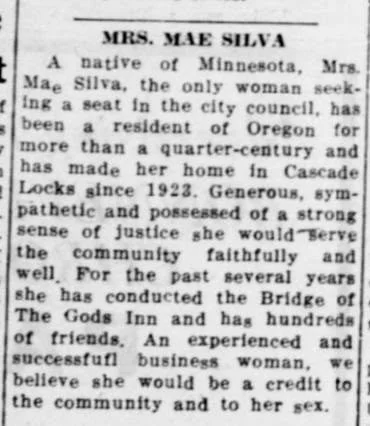
Here's her profile from the Bonneville Dam Chronicle's candidate endorsement column, Aug 8, 1935.

Newspaper clipping of Mrs. Mae Silva's election profile in the Bonneville Dam chronicle. Text is written out in the main blog content.

Mae Silva’s profile in the Bonneville Dam Chronicle, August 8, 1935

"MRS. MAE SILVA: A Native of Minnesota, Mrs. Mae Silva, the only woman seeking a seat on the city council, has been a resident of Oregon for more than a quarter-century and made her home in Cascade Locks since 1923. Generous, sympathetic and possessed of a strong sense of justice she would serve the community faithfully and well. For the past several years she has conducted the Bridge of the Gods Inn and has hundreds of friends. An experienced and successful business woman, we believe she would be a credit to her community and to her sex."

Mae was ahead of her time, but her story represents a recurring theme we see in the Cascade Locks tourism industry. Young people come, work in hospitality, make a splash in local politics, and then move away. From what I have found, we don’t see another woman on City Council until Harty Miller in 1955.

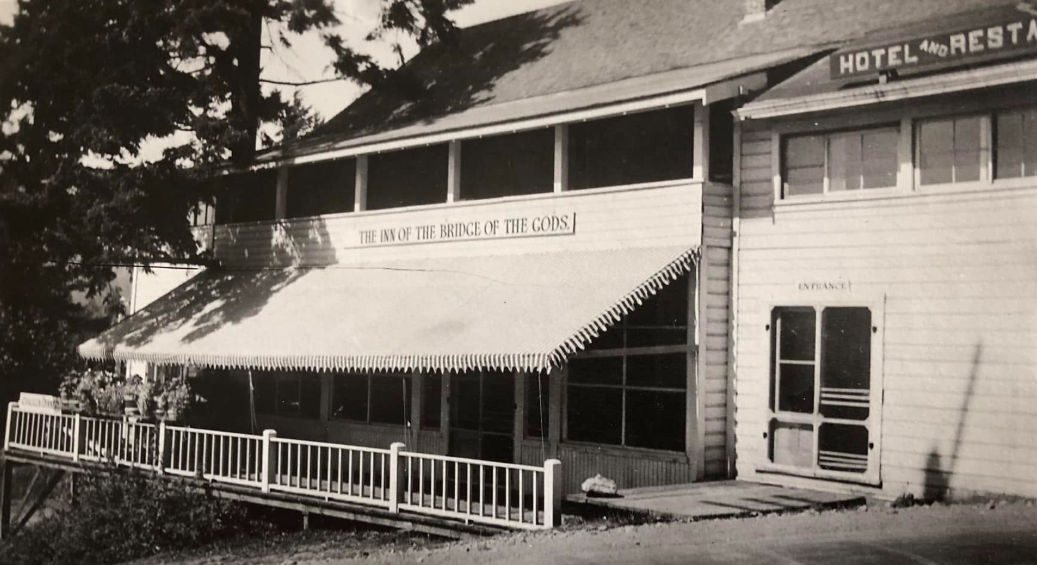
Photo of the Inn at the Bridge of the Gods in Cascade Locks, Oregon. The Inn at the Bridge of the Gods was owned by Claudia Kimmel. Mae Silva managed it from 1923-1935. The Inn at the Bridge of the Gods was closed for a full remodel while the state was doing highway 30 road improvements in 1935. It reopened it as the Columbia Hotel Cafe in November 1935. Courtesy of Ben Carscallen.

Off the Rails is the Cascade Locks Historical Museum's blog for the fascinating stories and research side quests that don't always make it onto the exhibit floor. From wayward river travelers to forgotten footnotes of Gorge history, we follow the tracks wherever they lead.