cascade locks

Sold out: When a vaudeville manager briefly owned Cascade Locks

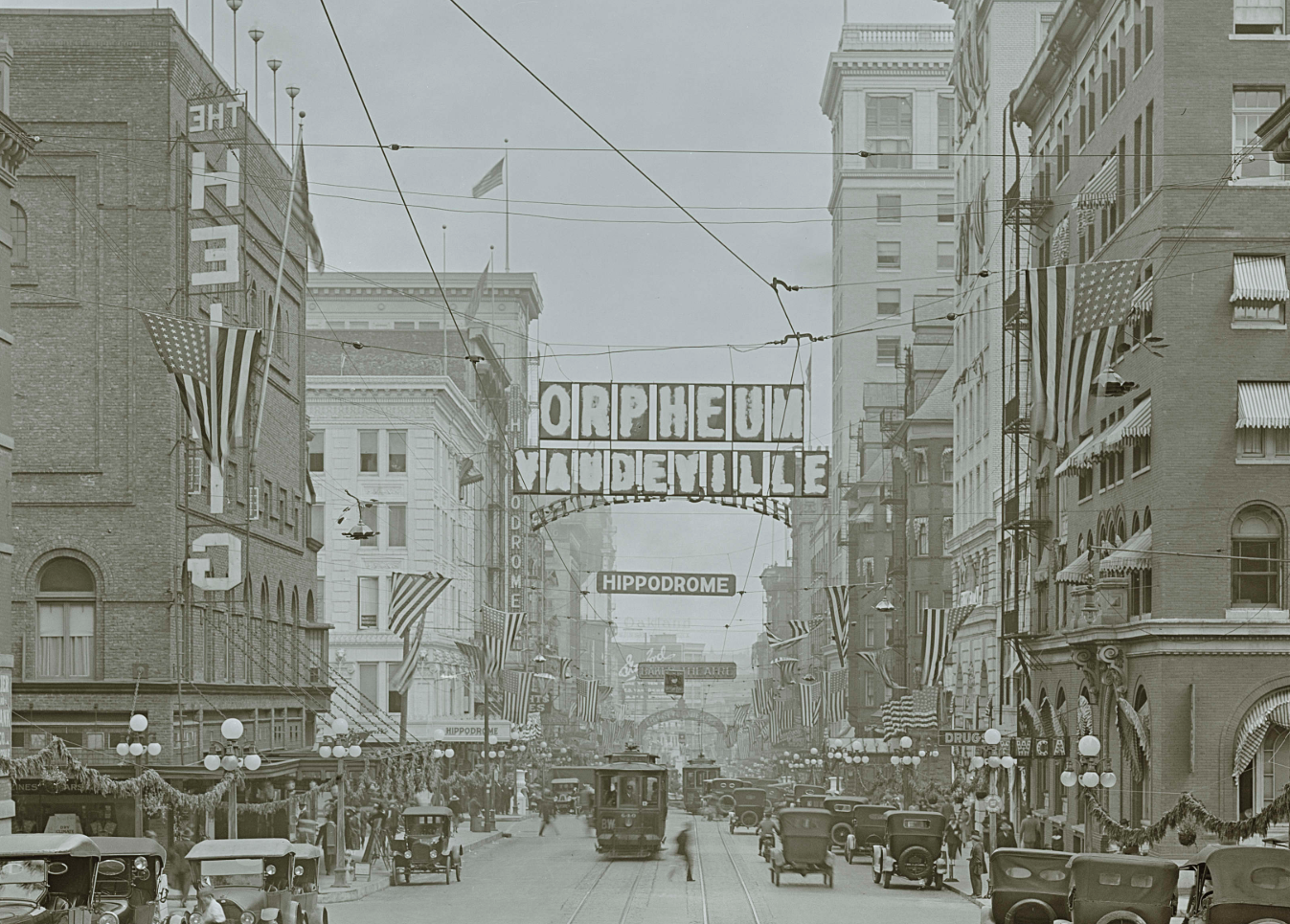
Photo shows Broadway Ave in Portland from Salmon Street in 1919. Old cars line the street while the streetcar is in the center. There is a large banner spanning the street from the 5th story of buildings that reads "Orpheum Vaudeville"

SW Broadway in Portland during the 1919 Portland Rose Festival. The Heilig, Orpheum, and Hippodrome are all advertised in this shot from Portland General Electric Company. Courtesy of Oregon Historical Society.

McGettigan’s career included tenure as a reporter for The Oregonian, Portland Telegram, and Vallejo Evening News, followed by ten years of managing Heilig theaters in Portland. Over those 10 years, he was the publicity manager for the Heilig, Orpheum, and Empress theaters, and general manager of the Orpheum. During his tenure, McGettigan would have booked two-a-day vaudeville shows, with a 10-cent afternoon matinee followed by an evening show. Vaudeville was a form of stage variety shows that dominated American popular culture from the 1870s through the 1930s. Shows featured rotating unrelated acts that included everything from comedians, singers, jazz bands, acrobats, and magicians, to novelty performers such as “tap dancing, sword-swallowing, trained dogs, trained ducks, contortionists, [and] jugglers.”
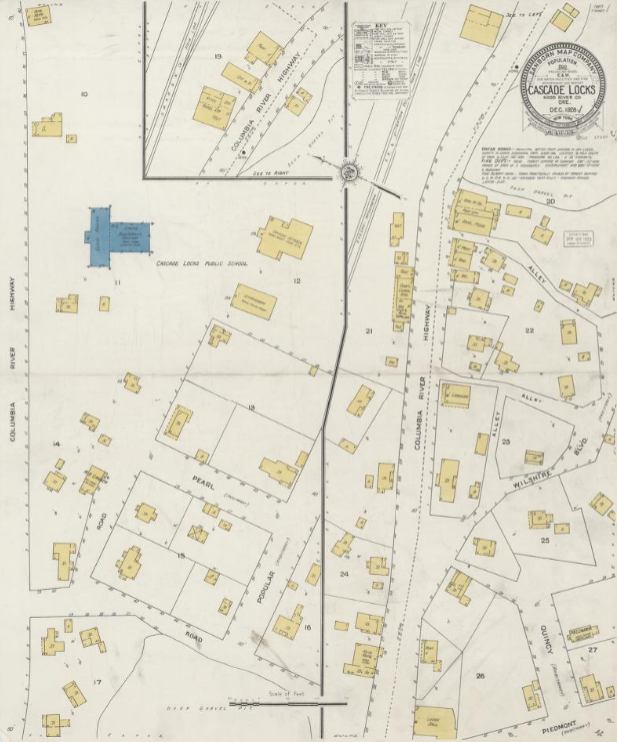
Sanborn fire insurance map of Cascade Locks, Oregon. Map is split down the center and follows the route of the Columbia River Highway instead of standard directions. Map shows building footprints, street names, and building materials from 1928.

Cascade Locks in 1928. Sanborn Fire Insurance Map shows the placement of buildings, street names, and building materials. McGettigan’s purchase included most of the properties on this map. Courtesy of the Library of Congress.

Vaudeville declined rapidly with the rise of radio and video in the late 1920s. Following a theater strike, McGettigan transitioned into the landlord business. He purchased 167 acres along the Columbia River Highway from the Oregon-Washington Railroad Navigation Company, which included the downtown core of Cascade Locks. This purchase included at least 80 tenants who owned businesses and homes on the property. He made this investment because of the hype surrounding the opening of the Bridge of the Gods in October 1926. McGettigan planned to subdivide the property and sell it in smaller lots. Visionaries approached him with ideas including a state park with a “sightly view” and “statue fitting the historic interest,” and received inquiries about the erection of a scenic hotel, restaurants, a motion picture house, dance hall, and other buildings. The land for the state park, now the Bridge of the Gods trailhead for the historic Columbia River Highway State Trail, was sold to R.W. Carroll, who gifted it to the state in 1928.

McGettigan never lived in Cascade Locks, instead splitting his time between Portland and Seaside. After only playing the real estate game for 5 years, he quietly sold the property to J.B. Laber, a Portland-based developer, in 1931.

Off the Rails is the Cascade Locks Historical Museum's blog for the fascinating stories and research side quests that don't always make it onto the exhibit floor. From wayward river travelers to forgotten footnotes of Gorge history, we follow the tracks wherever they lead.
The Martin family disappearance: How could this have happened?

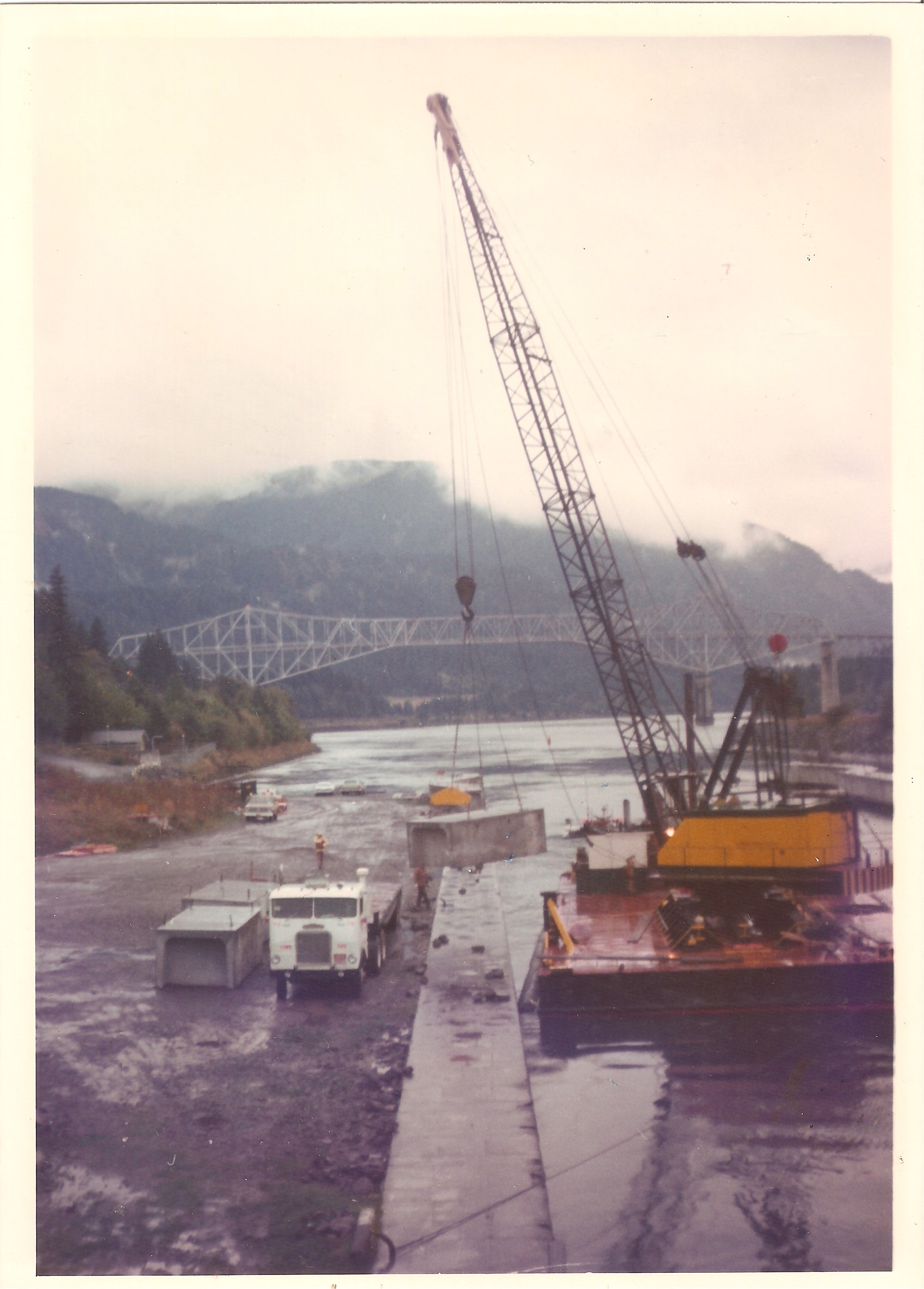
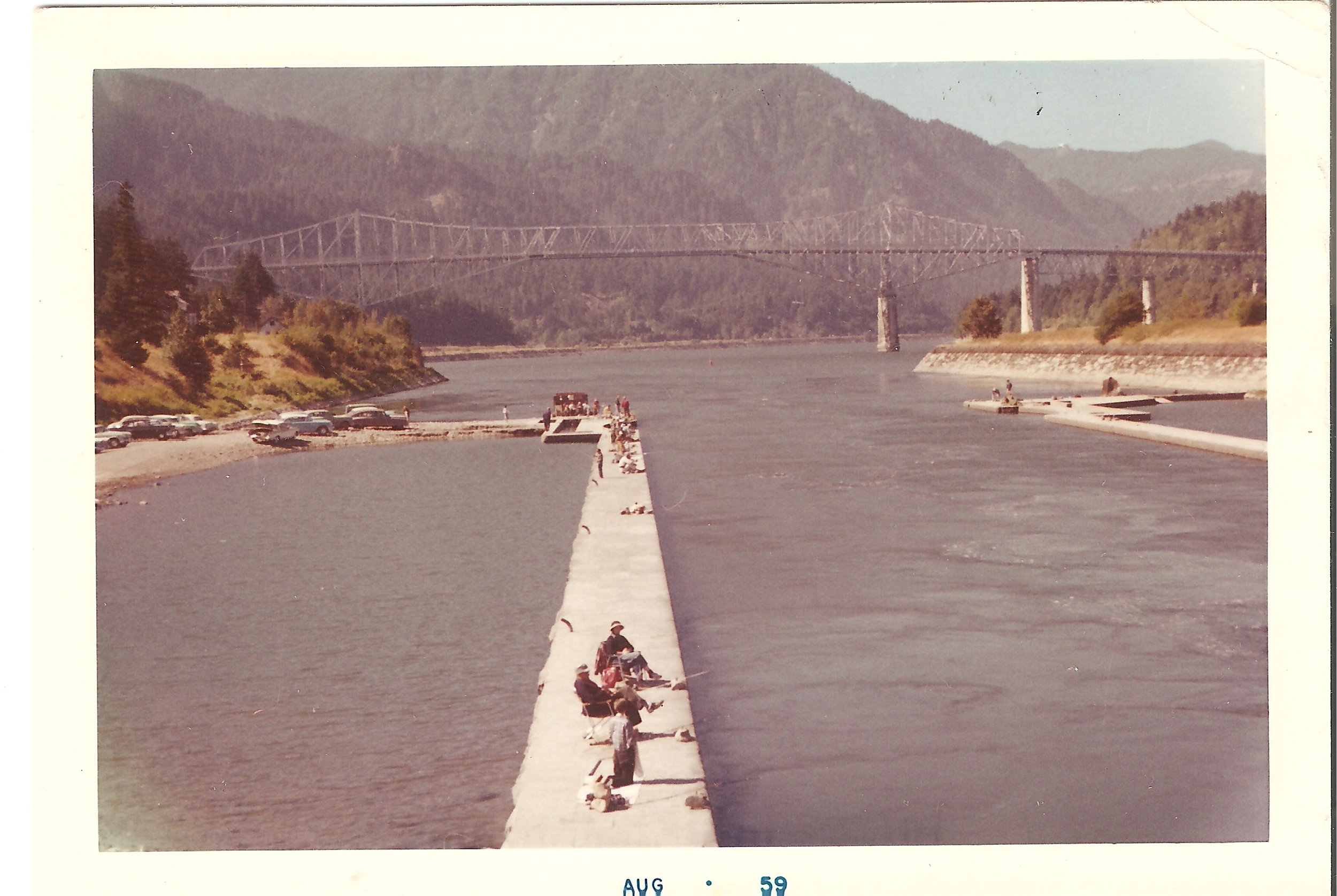
People across the nation watched live as the possible Martin family vehicle was lifted out of the Cascade Locks Canal on Friday, March 7, 2025. After 67 years under more than 50 feet of water, the car broke apart upon removal. Many people are asking: If it was here all this time, why did it take so long to find it?

The section of the Columbia River Highway that stretched from Portland to Hood River was completed in 1916, with the highway reaching Cascade Locks in 1915. Cascade Locks and the canal became a popular wayside for drivers to stop, picnic, and watch passing ships. The locks closed in 1938 when the Bonneville Dam was completed, but the old locks remained a scenic destination for relaxation and fishing.

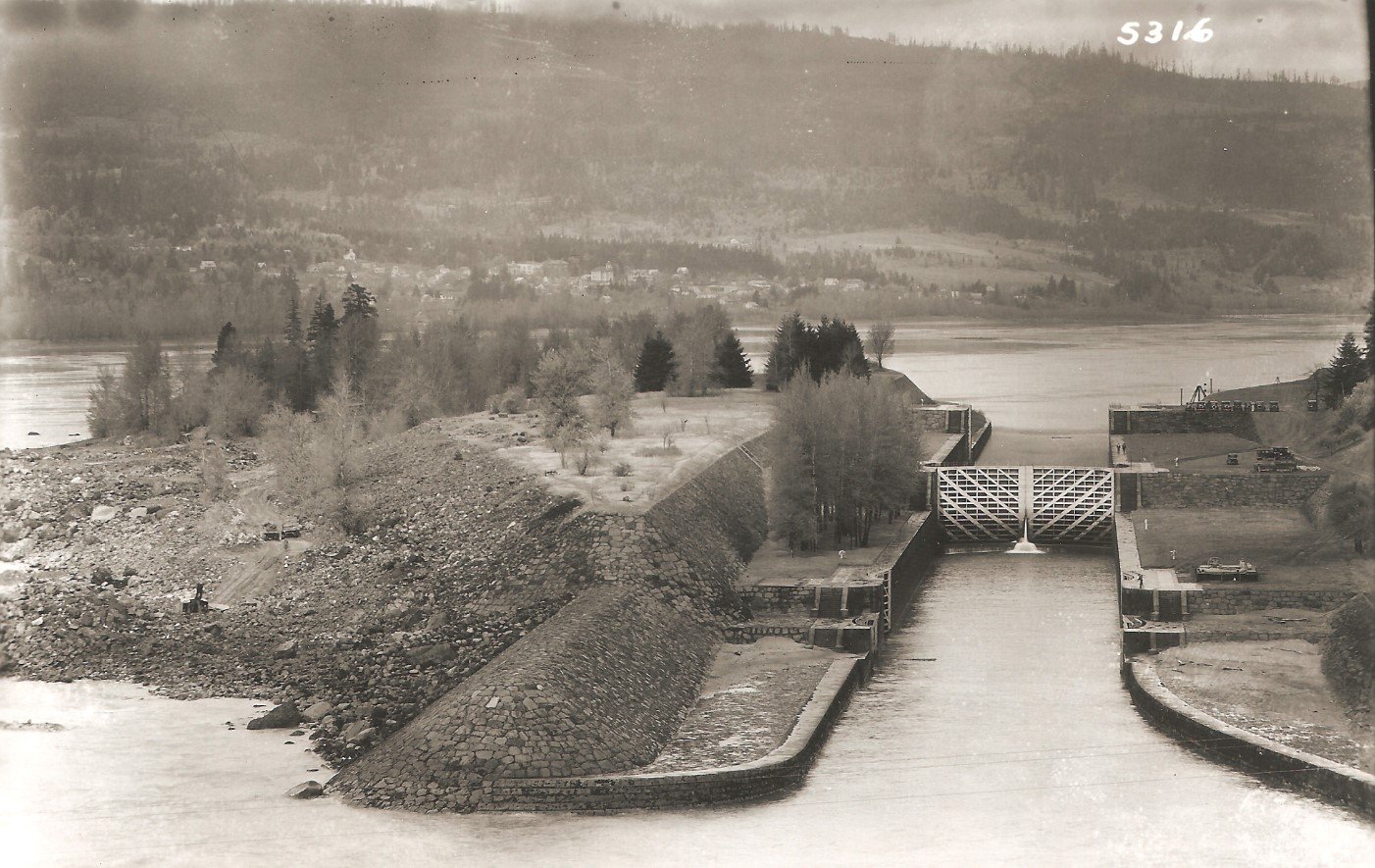
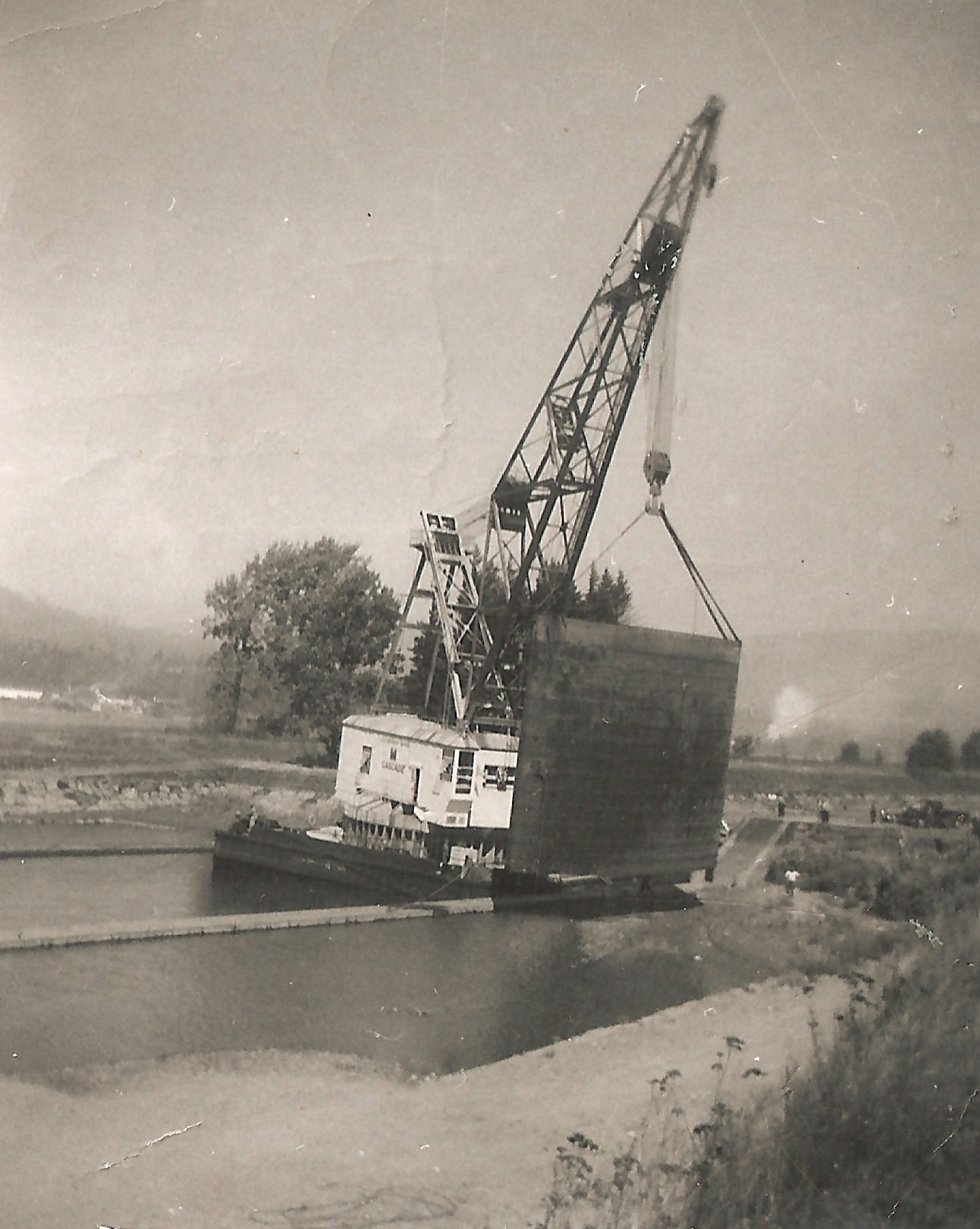
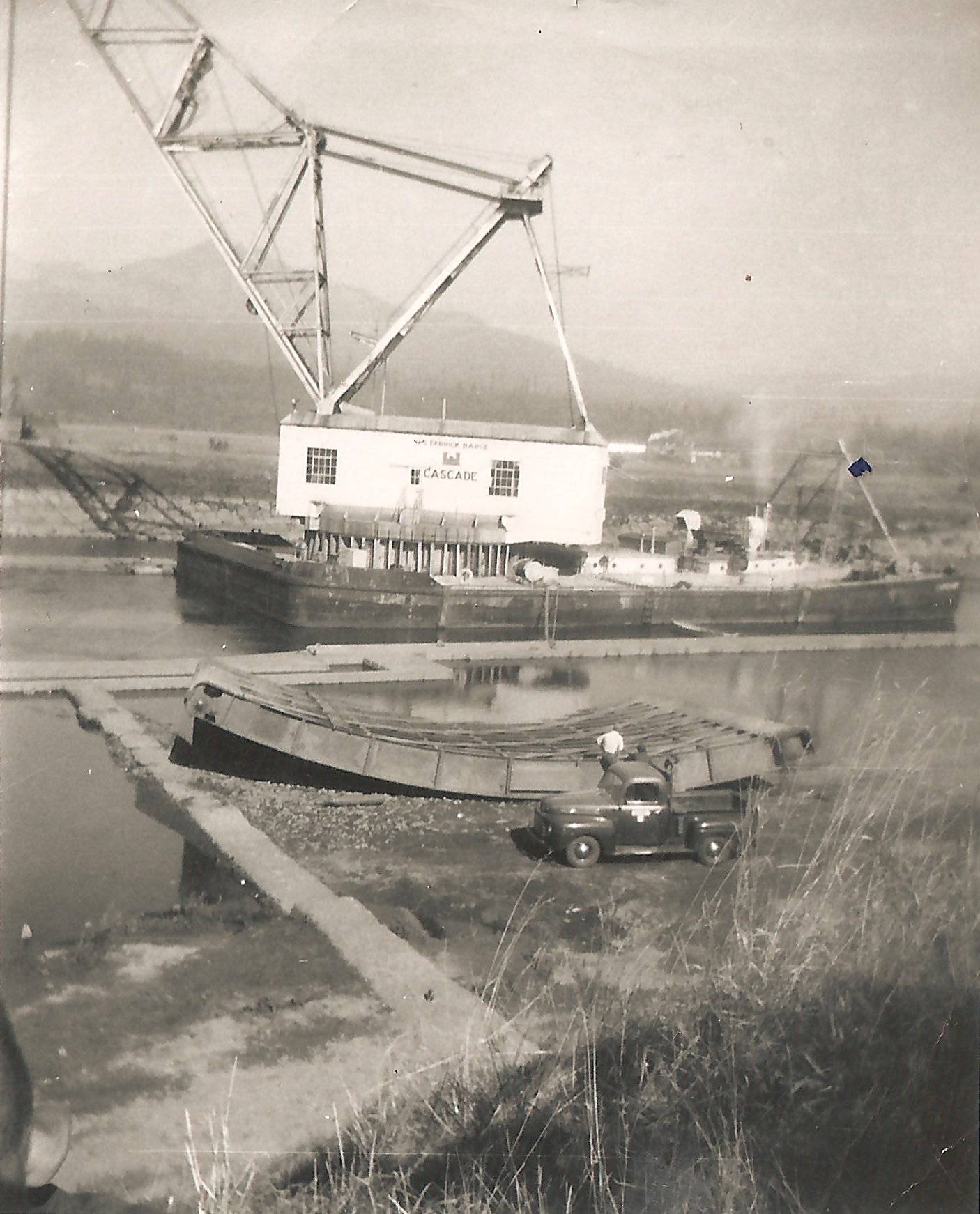
In 1953, the U.S. Army Corps of Engineers removed the upper lock gate and guard gate. The lower lock gate had been underwater for 15 years. It was deemed too buried in silt and debris to be removed and was left in place. This blockage is where the possible Martin family vehicle was recovered.

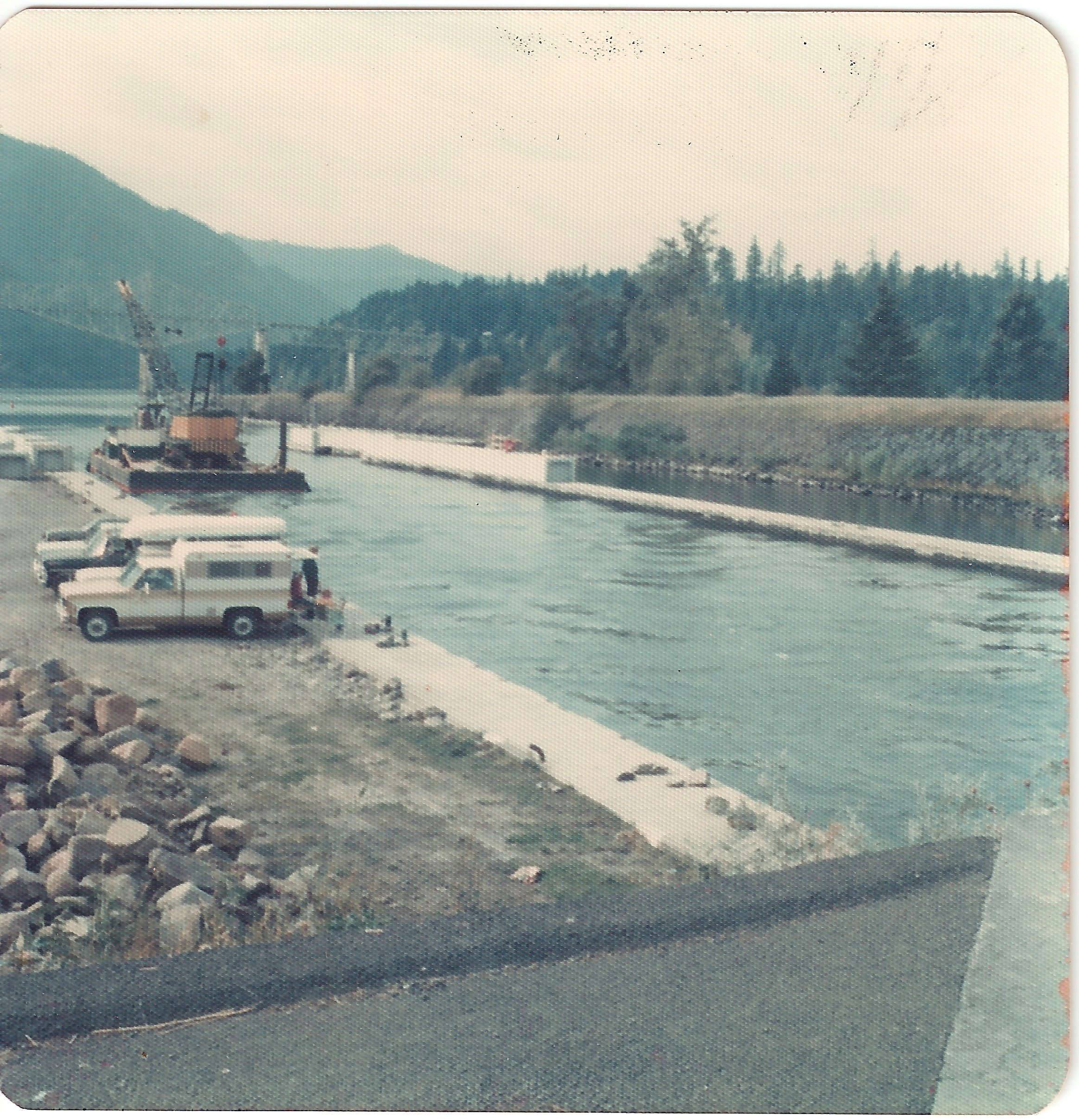
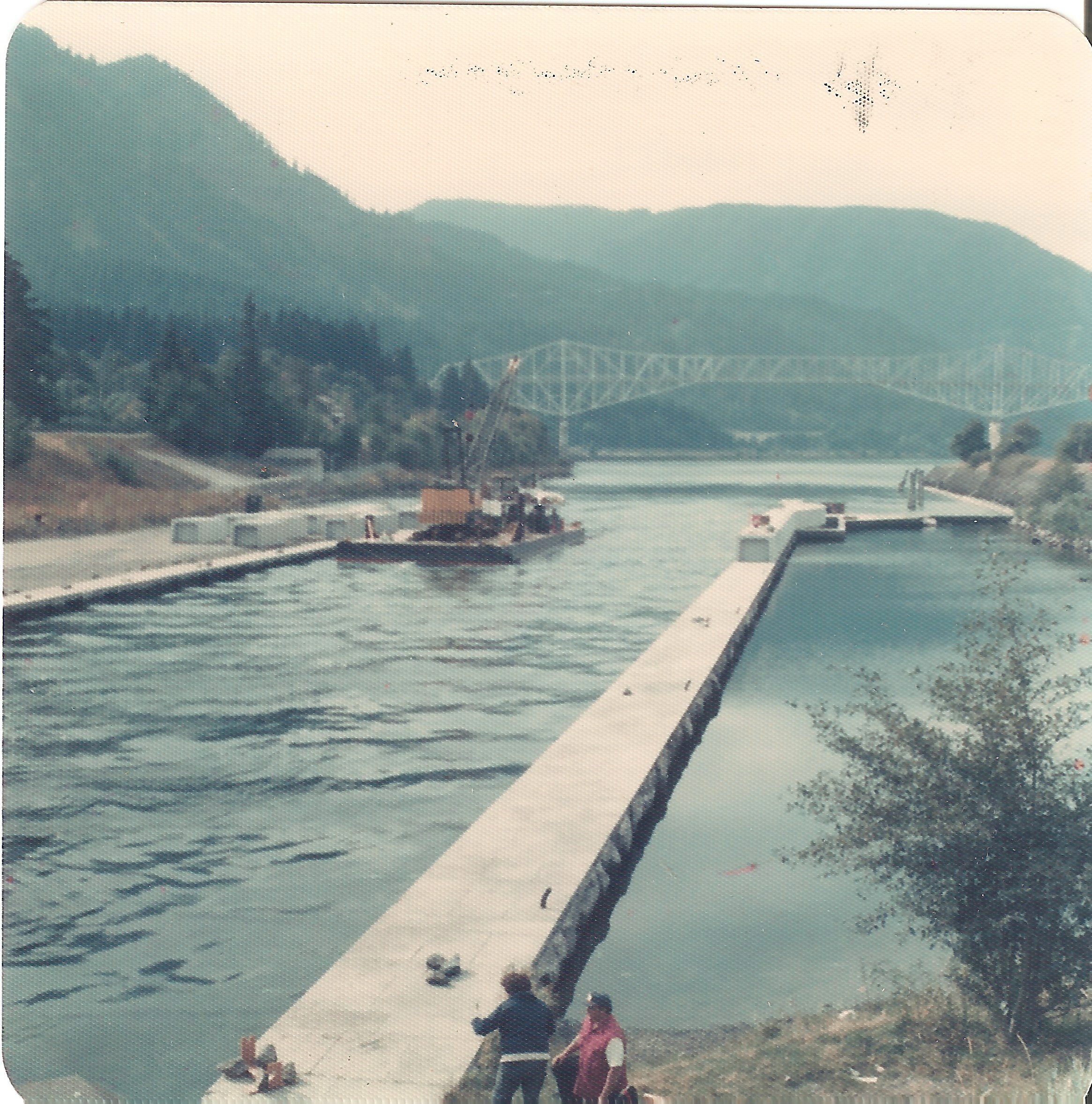
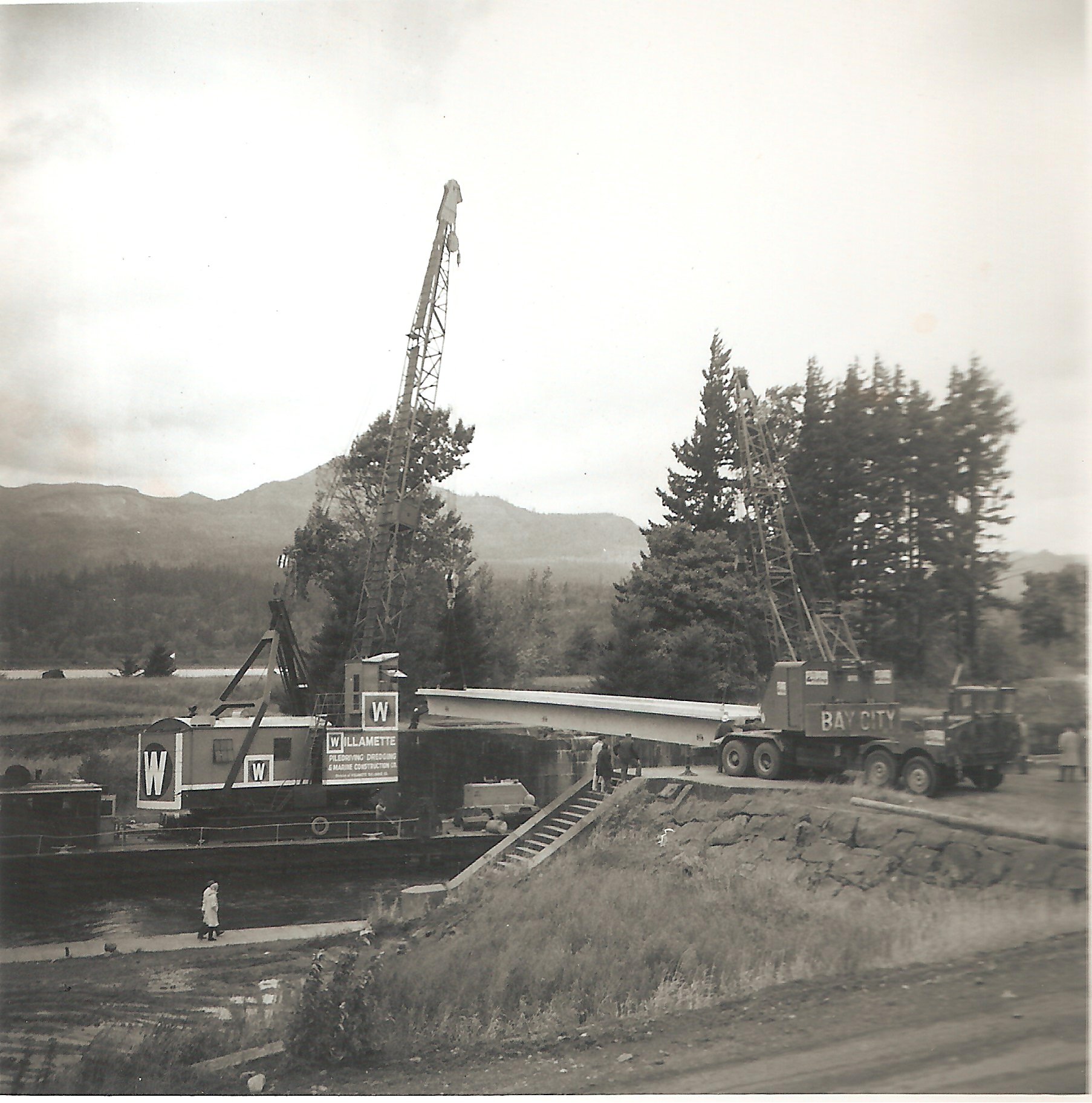
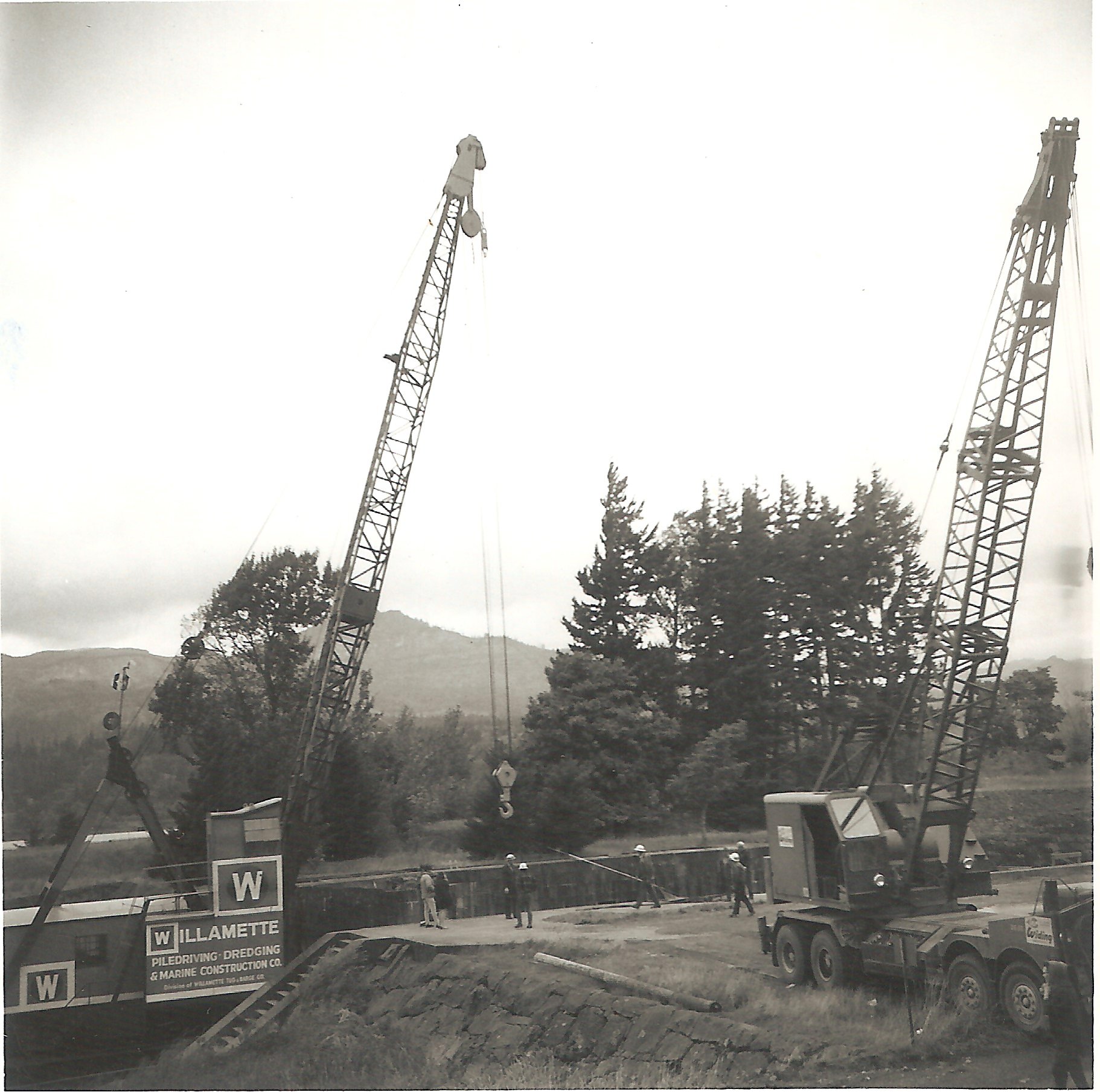
In 1954, the Army Corps transferred the remnants of Cascade Locks and the canal to the Port of Cascade Locks. As required by the property agreement, the Port began developing the area for recreational use, creating Cascade Locks Marine Park. The old canal walls remain a popular fishing destination. In 1969, the Port of Cascade Locks installed a footbridge where the upper lock gate had formerly been, allowing pedestrians to cross the canal. Photos from the footbridge installation show that no safety barriers were in place to prevent cars and people from falling into the canal.

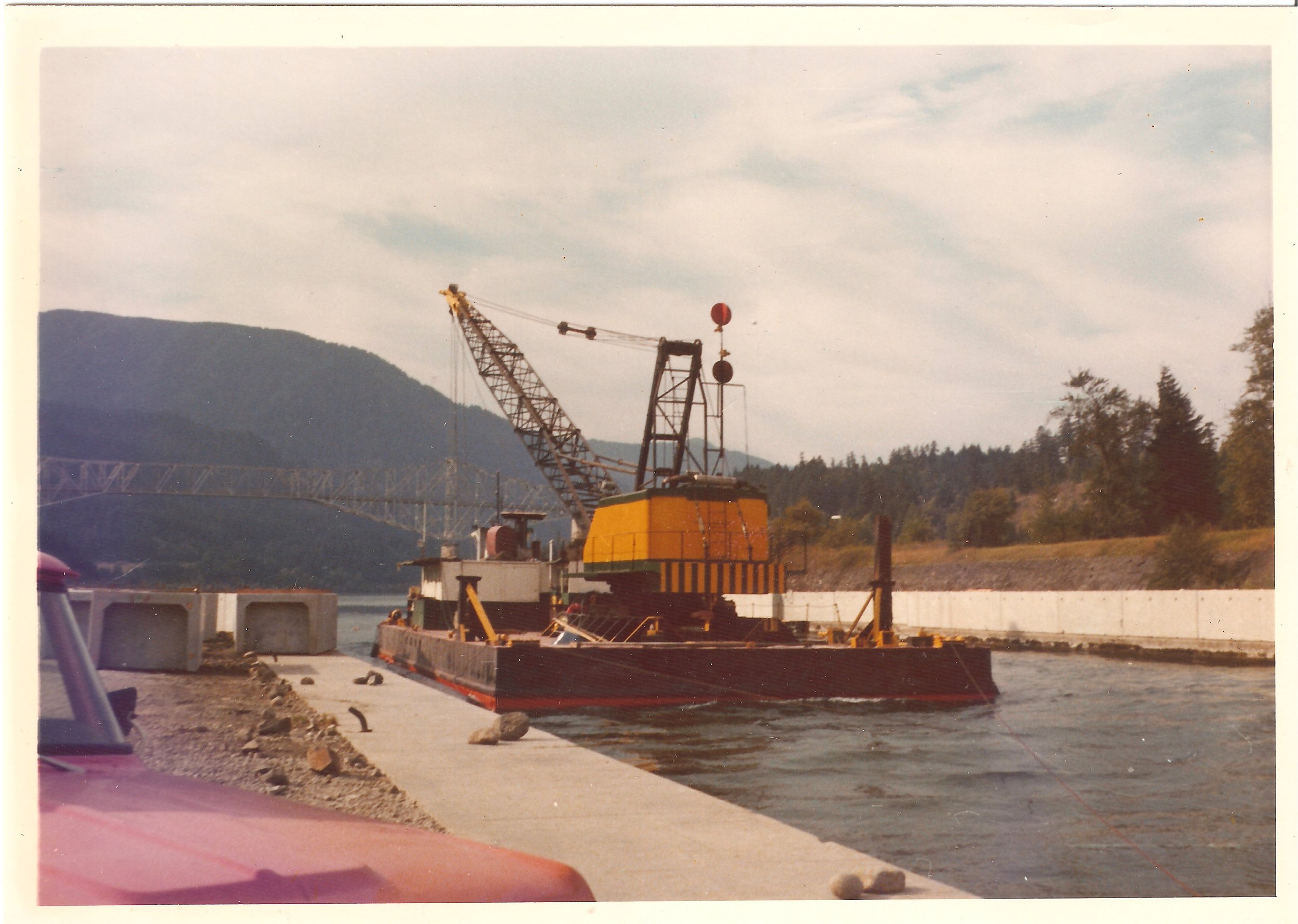
In 1974, construction began on a second powerhouse at Bonneville Dam. The new construction raised the water level in the reservoir. To preserve access to the now-popular recreational uses of the old canal structure, the Port of Cascade Locks worked with the Army Corps to add an additional layer of concrete blocks, raising the top of the canal by five feet. These concrete blocks now serve as the curb that keeps cars within the parking lot.

In addition to the lack of safety features at the time, diving technology was not as advanced. Wetsuits were still cutting-edge military technology, aqualungs were only beginning to become commercially available, and divers primarily relied on old-fashioned diving suits. Given the depth, darkness, debris, and current, it is not surprising that the Martins' vehicle was not discovered earlier.

I sat where the president...also sat

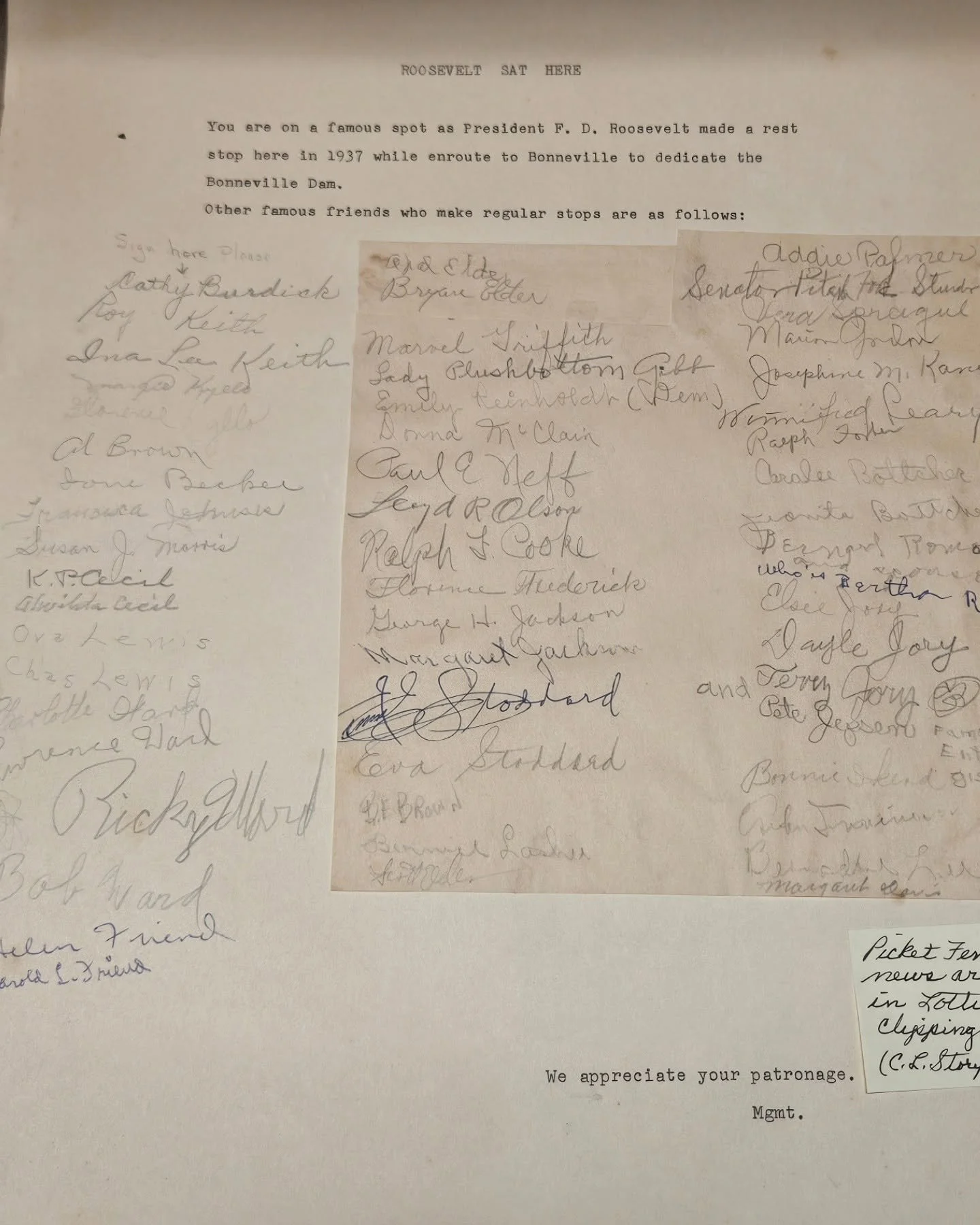
President Franklin Delano Roosevelt came through the the Columbia River Gorge in 1937 while following through on his campaign promises about the Bonneville Dam.

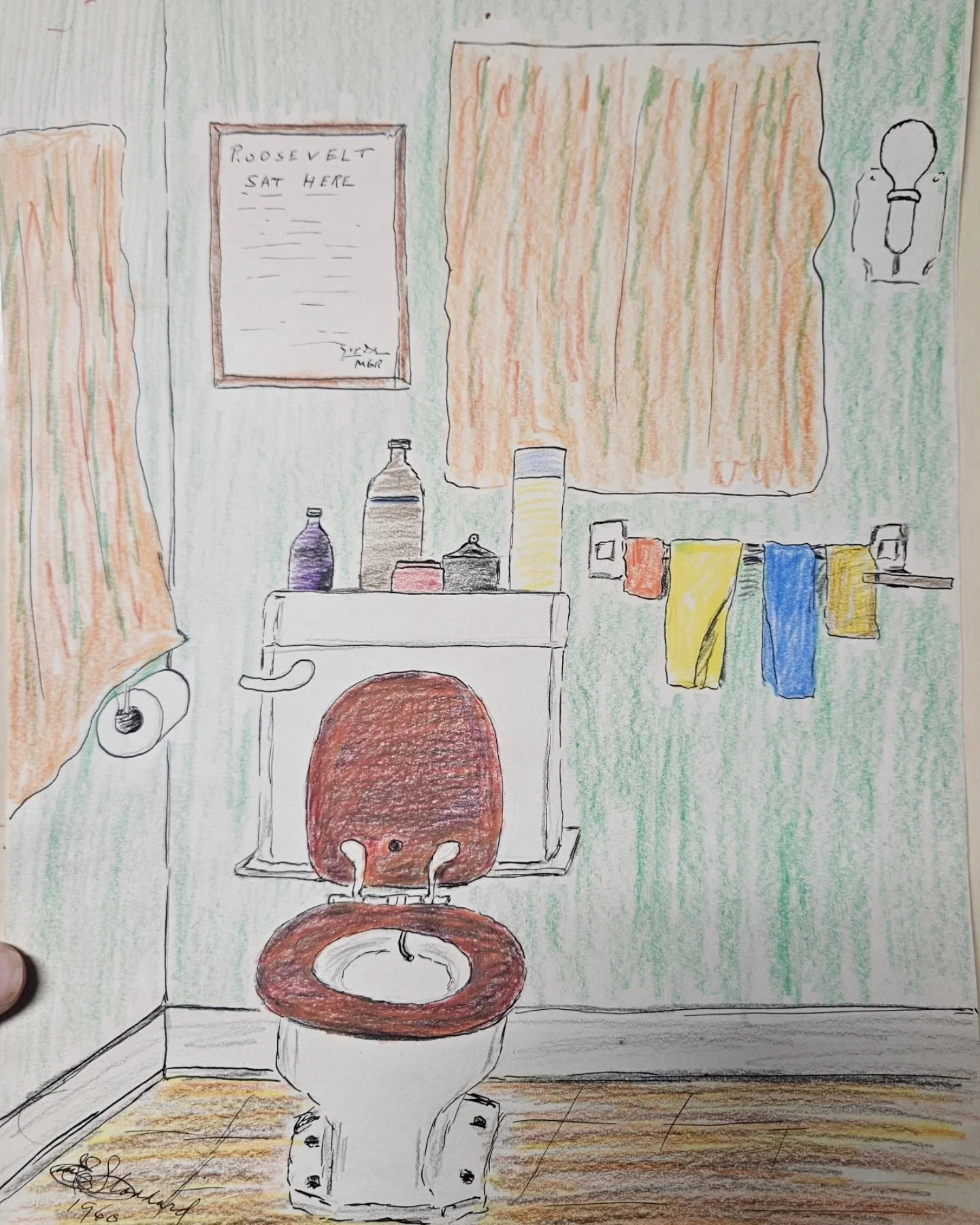
After his visit, a Bonneville-area rest stop instituted a register in the restroom for those who sat upon the same porcelain throne as the President. This historic seat was captured in crayon and ink by S.J.(?) Stoddard in 1960.

Off the Rails is the Cascade Locks Historical Museum's blog for the fascinating stories and research side quests that don't always make it onto the exhibit floor. From wayward river travelers to forgotten footnotes of Gorge history, we follow the tracks wherever they lead.
Mae Silva: The first woman to sit on the first city council in Cascade Locks

The City of Cascade Locks was incorporated and its first council was elected in 1935. Captain Charles Nelson was to be the first mayor of Cascade Locks. The first city council included S.E. Perras, Carl Epping, Seth Clodfelter, Max Millsap, Julius Carlson, and Mae Silva.

Mae Silva is one of my personal pet “history mysteries.” If anyone has photos of her, we would LOVE a copy!

Mae E. Silva (née Farmer) had a jam-packed six months between June 1935 and January 1936. She was elected to the first city council in August, adopted the City Charter and first ordinances, then sat on the committee that took on the municipal water system in October-November. While the council was meeting nearly daily, she was also running the Inn at the Bridge of the Gods, which closed for remodel in October and re-opened under her management as Columbia Hotel Cafe in November. She then "surprise[d] her many friends" by marrying Harry Seymour of Seattle on December 15, and had resigned from Council and moved with him to California by January 2, 1936.

Here's her profile from the Bonneville Dam Chronicle's candidate endorsement column, Aug 8, 1935.

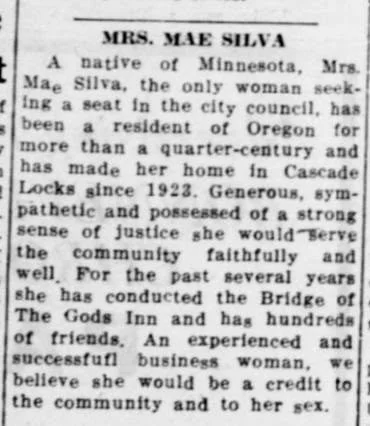
Newspaper clipping of Mrs. Mae Silva's election profile in the Bonneville Dam chronicle. Text is written out in the main blog content.

Mae Silva’s profile in the Bonneville Dam Chronicle, August 8, 1935

"MRS. MAE SILVA: A Native of Minnesota, Mrs. Mae Silva, the only woman seeking a seat on the city council, has been a resident of Oregon for more than a quarter-century and made her home in Cascade Locks since 1923. Generous, sympathetic and possessed of a strong sense of justice she would serve the community faithfully and well. For the past several years she has conducted the Bridge of the Gods Inn and has hundreds of friends. An experienced and successful business woman, we believe she would be a credit to her community and to her sex."

Mae was ahead of her time, but her story represents a recurring theme we see in the Cascade Locks tourism industry. Young people come, work in hospitality, make a splash in local politics, and then move away. From what I have found, we don’t see another woman on City Council until Harty Miller in 1955.

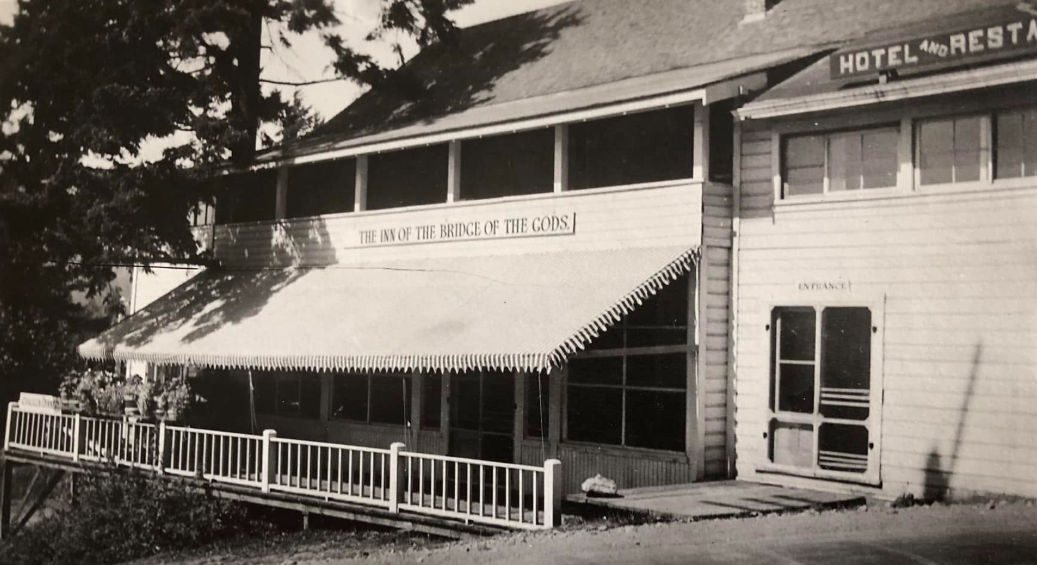
Photo of the Inn at the Bridge of the Gods in Cascade Locks, Oregon. The Inn at the Bridge of the Gods was owned by Claudia Kimmel. Mae Silva managed it from 1923-1935. The Inn at the Bridge of the Gods was closed for a full remodel while the state was doing highway 30 road improvements in 1935. It reopened it as the Columbia Hotel Cafe in November 1935. Courtesy of Ben Carscallen.

Off the Rails is the Cascade Locks Historical Museum's blog for the fascinating stories and research side quests that don't always make it onto the exhibit floor. From wayward river travelers to forgotten footnotes of Gorge history, we follow the tracks wherever they lead.
Can you swim to Stevenson? Mildred Hazard did.

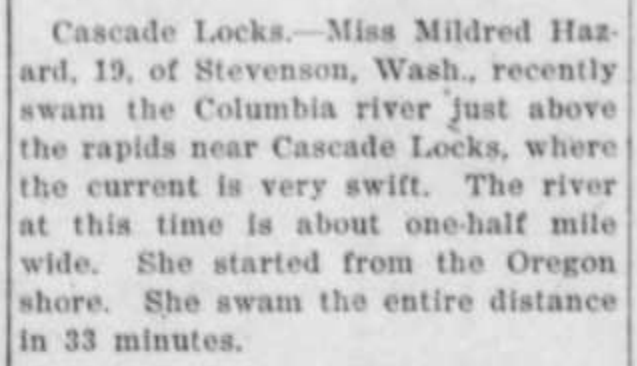
I took a break today to research local history anniversaries to plan celebrations for in the next year. When I filtered the Historic Oregon Newspapers database by front page news, I came upon this story in the September 25, 1924 issue of the Turner Tribune:

"Cascade Locks.- Miss Mildred Hazard, 19, of Stevenson, Wash., recently swam the Columbia river just above the rapids near Cascade Locks, where the current is very swift. The river at this time is about one-half mile wide. She started from the Oregon shore. She swam the entire distance in 33 minutes."

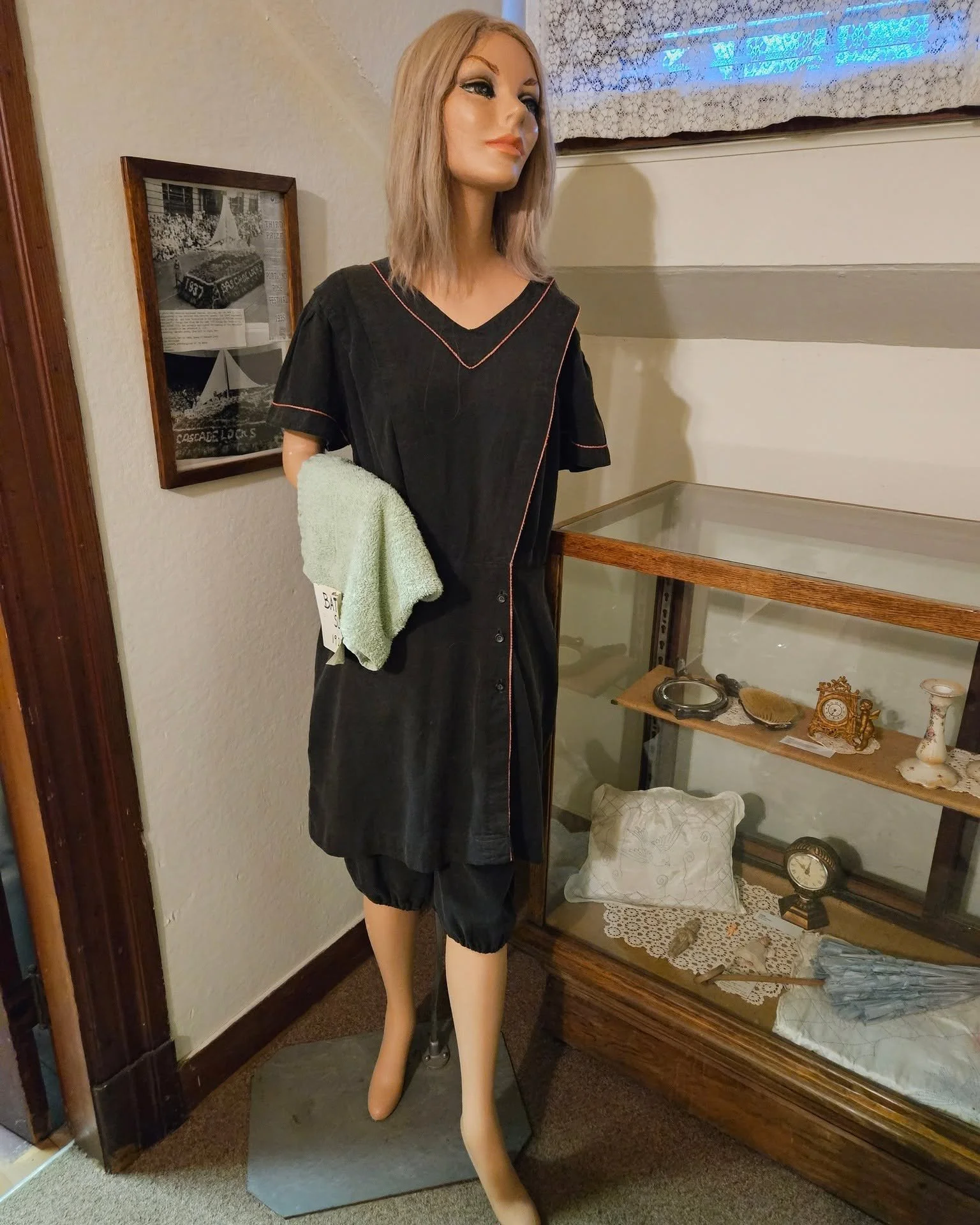
I walk by this 1920s women's swimsuit at least 20 times per day. While this is not the exact same swimsuit, having the object nearby when I read the story makes them both more feel more real and more special.

I also love that Ms. Hazard's swim was front page news nearly 100 miles away. Turner, OR is south of Salem. Full edition of the September 25, 1924 Turner Tribune

Off the Rails is the Cascade Locks Historical Museum's blog for the fascinating stories and research side quests that don't always make it onto the exhibit floor. From wayward river travelers to forgotten footnotes of Gorge history, we follow the tracks wherever they lead.
City of Cascade Locks Celebrates 88th Anniversary

On June 11, 2023, the City of Cascade Locks celebrated its 88th anniversary of the vote that transitioned the community from an unincorporated community into a municipality.

In May 1935, a group of 60 citizens, mostly business owners and long-term residents, filed for the community to be incorporated as a City. The campaign brought out two "parties" of citizens, calling themselves the Independents and Taxpayers’ League. Those in favor of incorporation (the Independents) were looking for the community to embrace several opportunities.

Opportunity 1: Municipal water and electric service. The federal government installed a 10-inch water main as part of the Cascade Locks and Canal system that would need to be turned over to a municipality after the Bonneville Dam was completed in 1938. Citizens also desired street lighting improvements with the promise of hydroelectric power.

Excerpt from The Bonneville Dam chronicle., May 23, 1935.
Courtesy of Hood River County Library, housed online at https://oregonnews.uoregon.edu/

Opportunity 2: Highway service. While the Columbia River Highway 30 reached Cascade Locks by 1916, in the 1930s there was a big reconstruction project making improvements to the road. This was a point of confusion for some Cascade Locks residents, some fearful that incorporating the town would halt highway work. The highway contractors rebutted that incorporated towns actually got more resources from the government and better highway treatment.

Opportunity 3: Park land. Residents knew that the Government Locks Reservation would become available after the completion of the Bonneville Dam. The Army would be willing to turn the land over to a municipality, but not an unincorporated community.

Political newspaper ad that reads "We urge you in the interests of a greater cascade locks to vote yes in the election June 11 on the incorporation of Cascade Locks." Full screen reader text at https://tinyurl.com/4kupxjcz

Political ad from The Bonneville Dam chronicle., June 6, 1935.
Courtesy of Hood River County Library, housed online at https://oregonnews.uoregon.edu/

Opportunity 4: School control. 123 parents signed a petition against the Cascade Locks Schools superintendent Vernon G. Henderson in 1935, charging "moral turpitude," and citing the unacceptable culture of open smoking and no discipline at the high school, and that he couldn't teach mathematics. Following these charges, the Hood River county school district made the decision to terminate the contracts with Cascade Locks School principal Frank Autrieth and teacher Averill Stewart outright, and made a "gentleman's agreement" with Henderson that while his contract would be extended for one more year, he would not teach and seek another school. This was met with public outcry, but under the county system there was no option for appeal or recall on the school board.

Opportunity 5: Fire department. In 1934, the downtown business area experienced a devastating fire when a teenager blew up a fireworks stand. Citizens desired municipal fire suppression services.

Opportunity 6: Law and speed enforcement. Municipalities can choose to implement law enforcement and speed limits.

The primary argument against incorporating was that it would increase taxes. While tax increases are always contentious, this was the Great Depression. Many newer residents in Cascade Locks at this time had to abandon their homes in other places to come to work on federal WPA and CCC projects, building on the dam, trail systems, and highways. However, the rhetoric and descriptions accuse the loudest opponents of being wealthy investors making large purchases to develop commercial property and housing.

At the resulting election on June 11, 1935, the Independents won, incorporating the City of Cascade Locks. Once incorporation was certified, a rapid campaign ensued to elect a mayor, council, treasurer, recorder, and marshal. Captain Charles Nelson was elected to be the first mayor of Cascade Locks. The first city council included S.E. Perras, Carl Epping, Seth Clodfelter, Max Millsap, Julius Carlson, and Mae Silva.