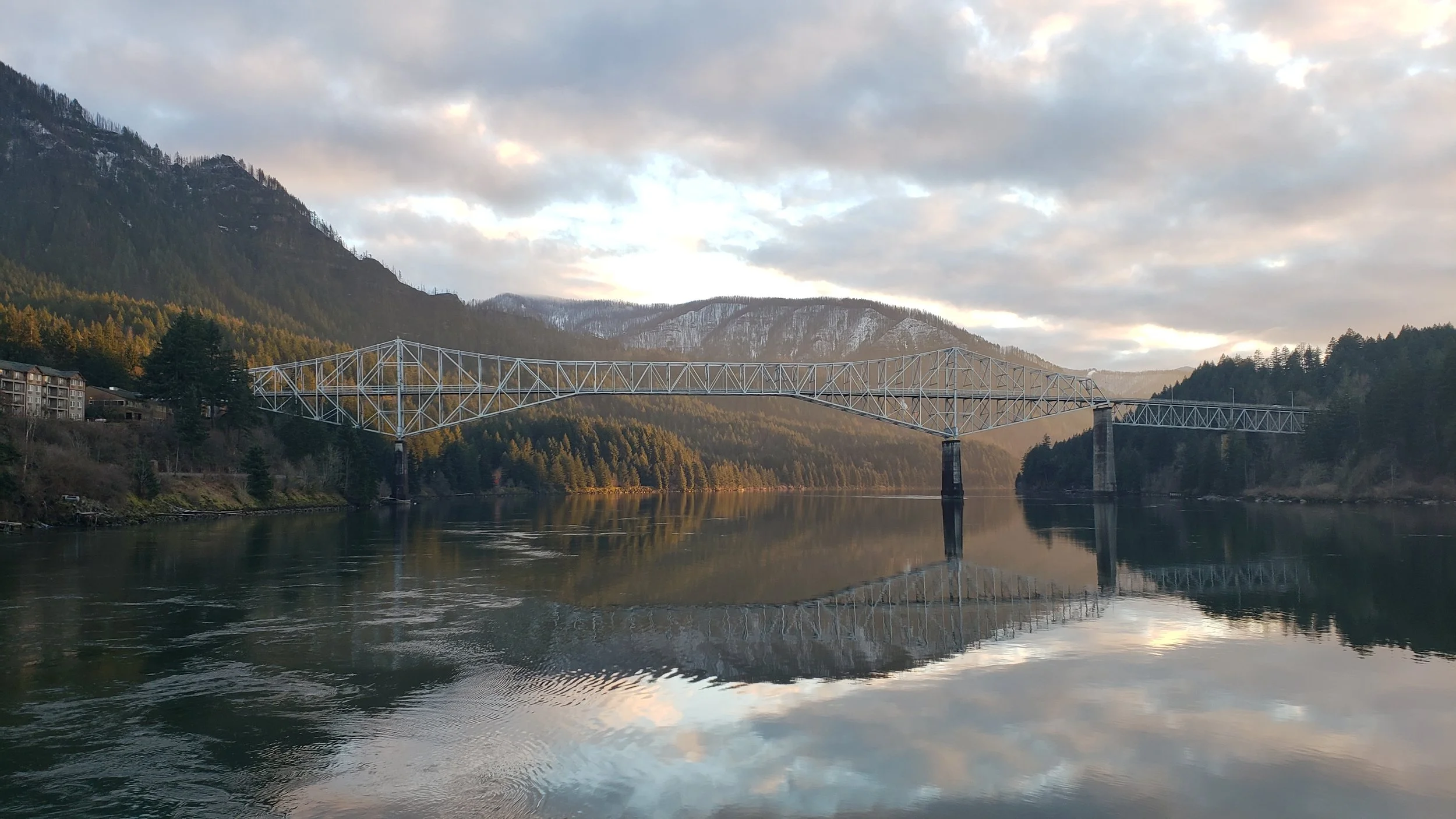
People across the nation watched live as the possible Martin family vehicle was lifted out of the Cascade Locks Canal on Friday, March 7, 2025. After 67 years under more than 50 feet of water, the car broke apart upon removal. Many people are asking: If it was here all this time, why did it take so long to find it?
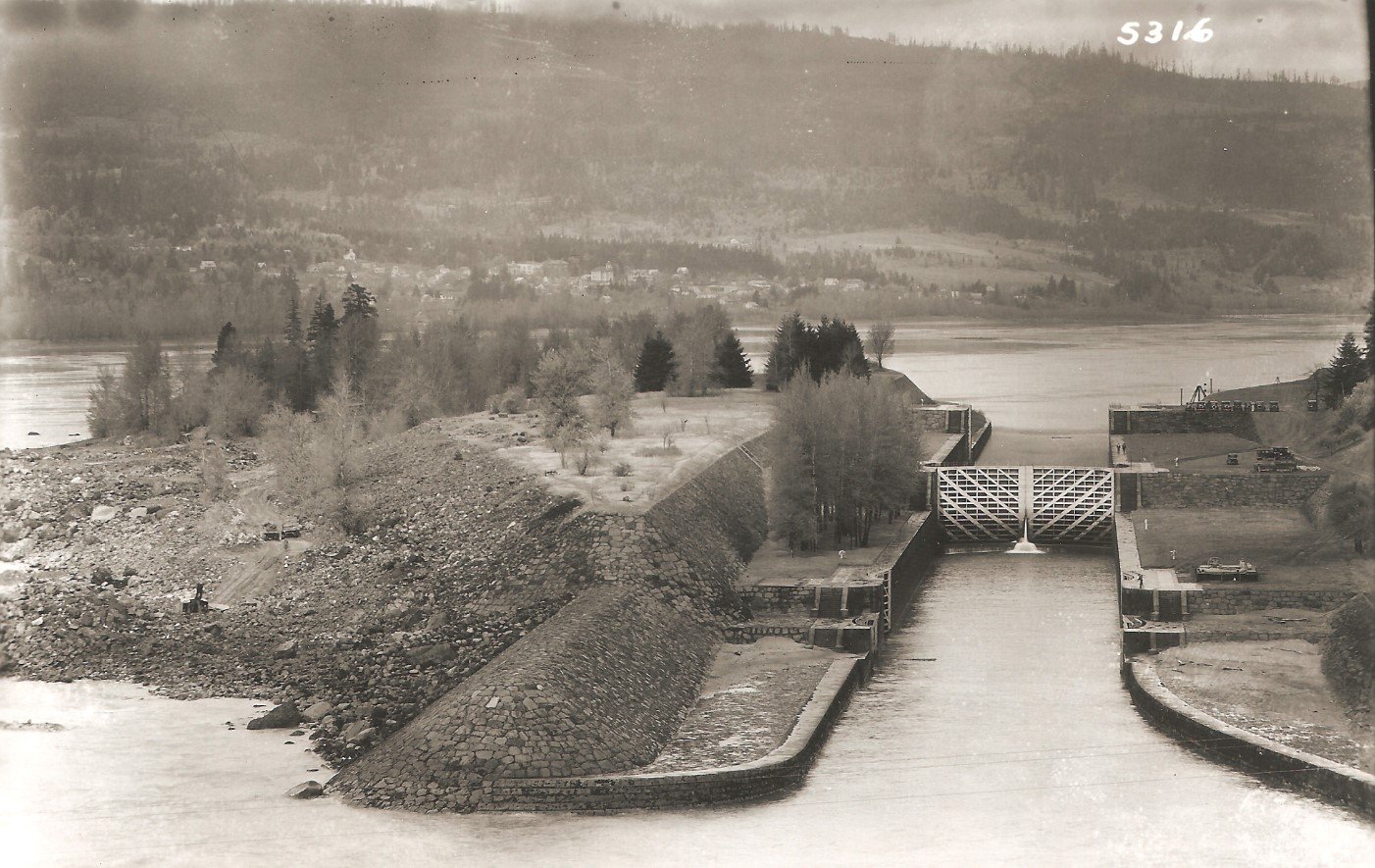
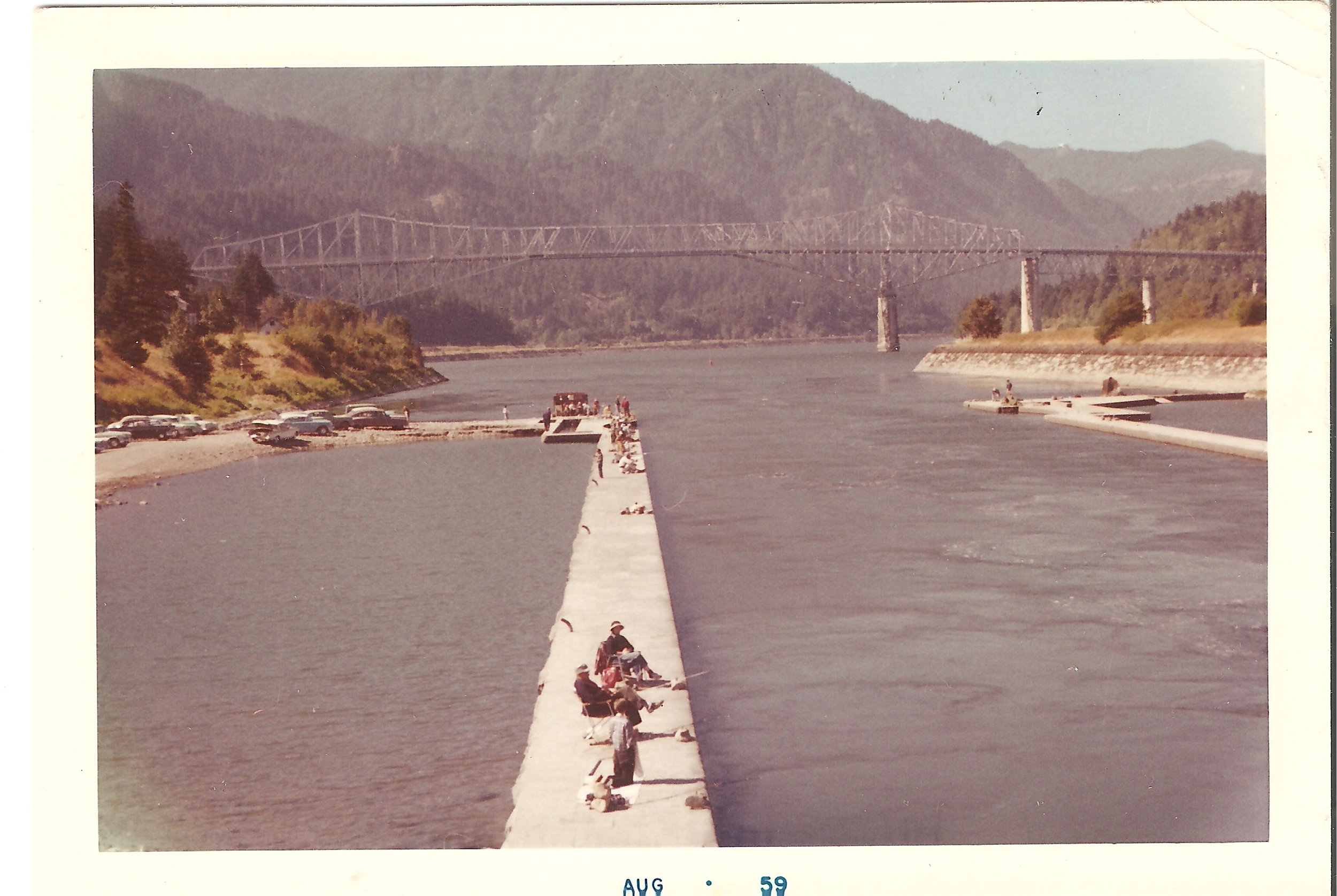
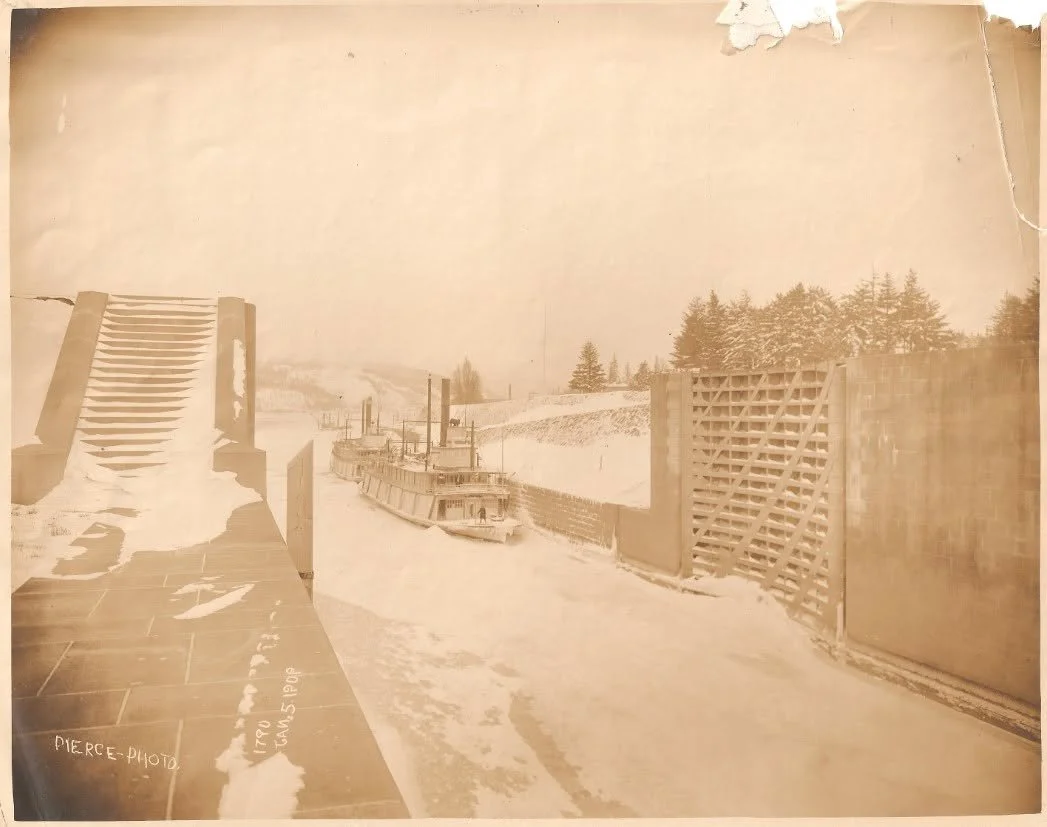
The section of the Columbia River Highway that stretched from Portland to Hood River was completed in 1916, with the highway reaching Cascade Locks in 1915. Cascade Locks and the canal became a popular wayside for drivers to stop, picnic, and watch passing ships. The locks closed in 1938 when the Bonneville Dam was completed, but the old locks remained a scenic destination for relaxation and fishing.
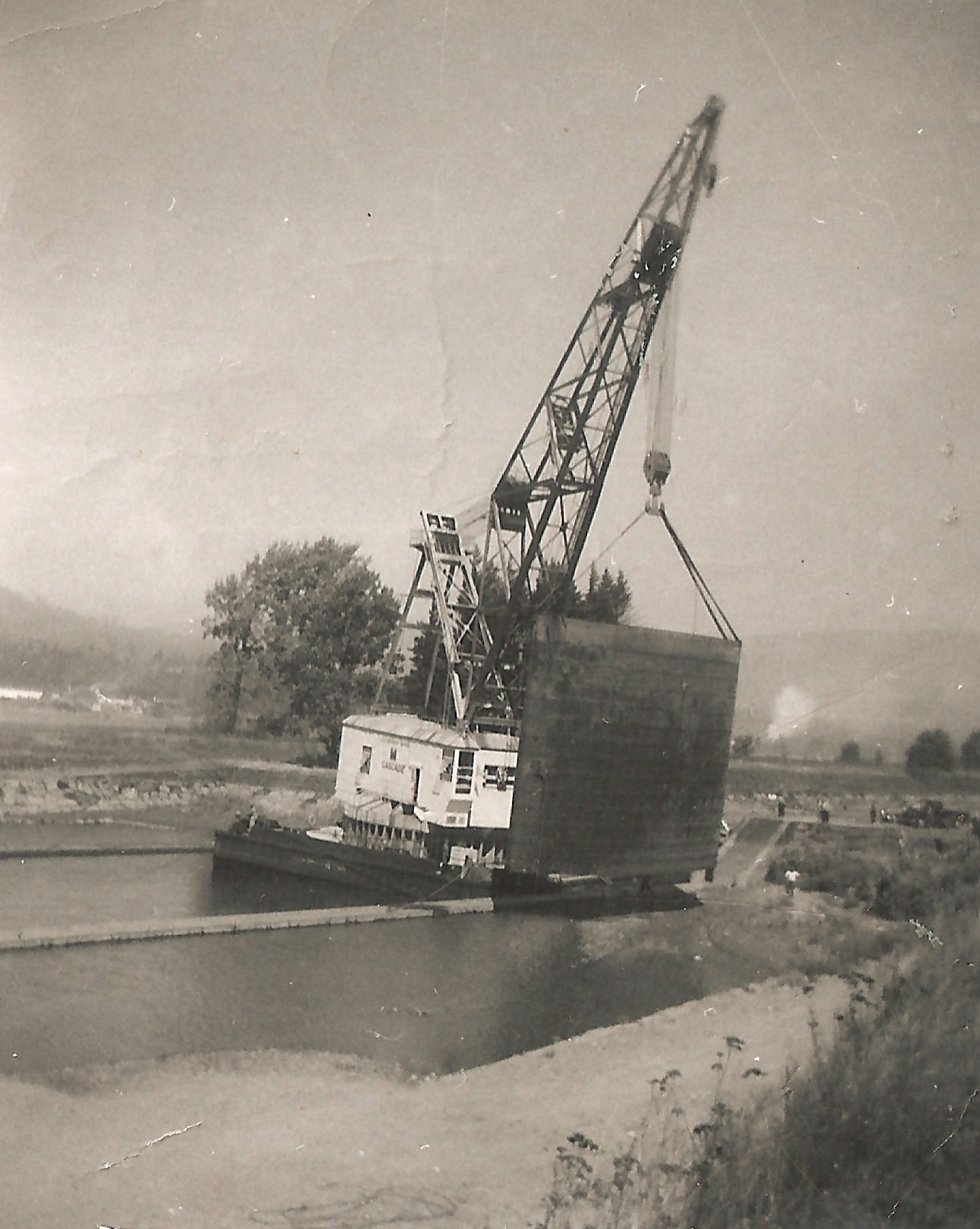
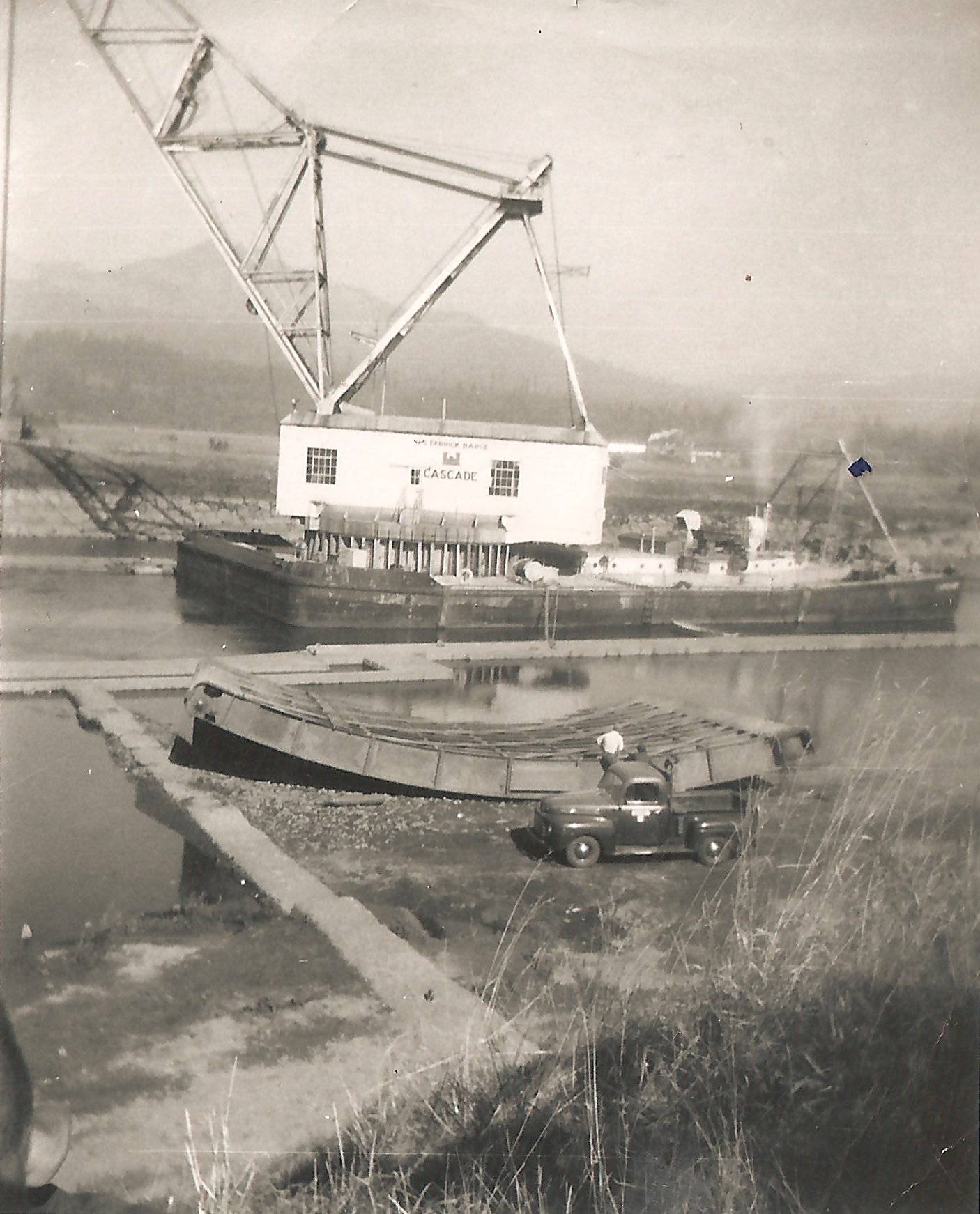
In 1953, the U.S. Army Corps of Engineers removed the upper lock gate and guard gate. The lower lock gate had been underwater for 15 years. It was deemed too buried in silt and debris to be removed and was left in place. This blockage is where the possible Martin family vehicle was recovered.
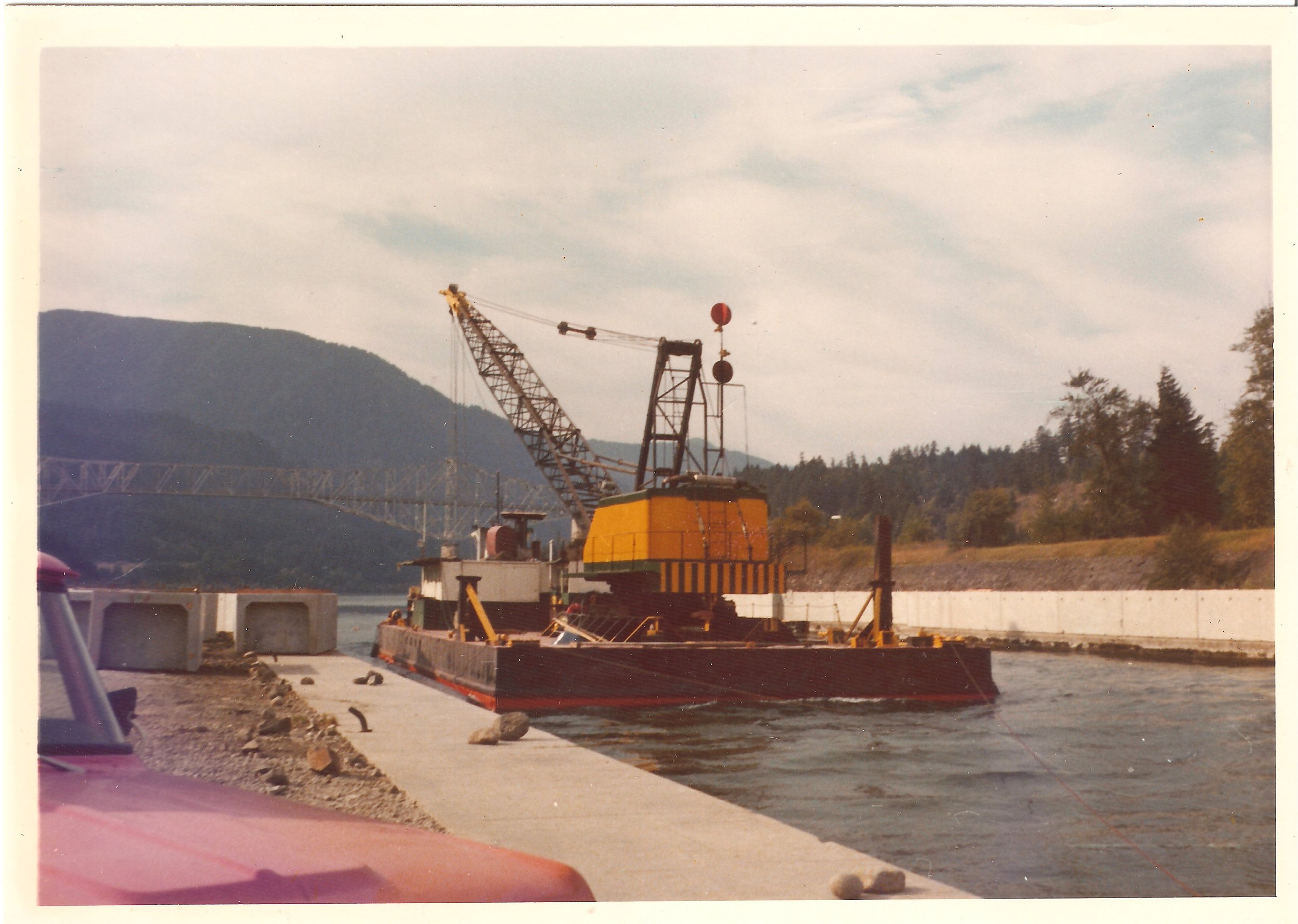
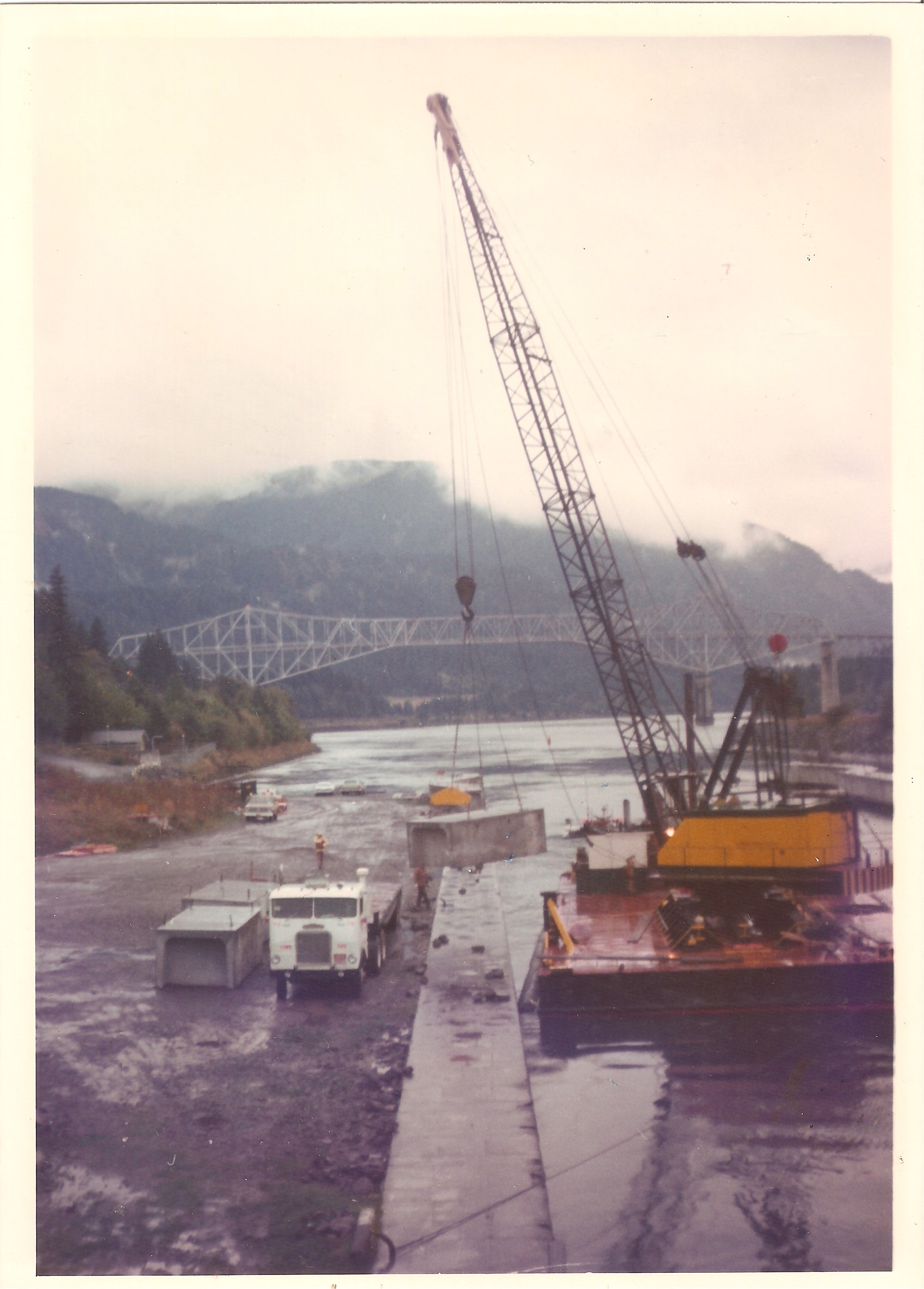
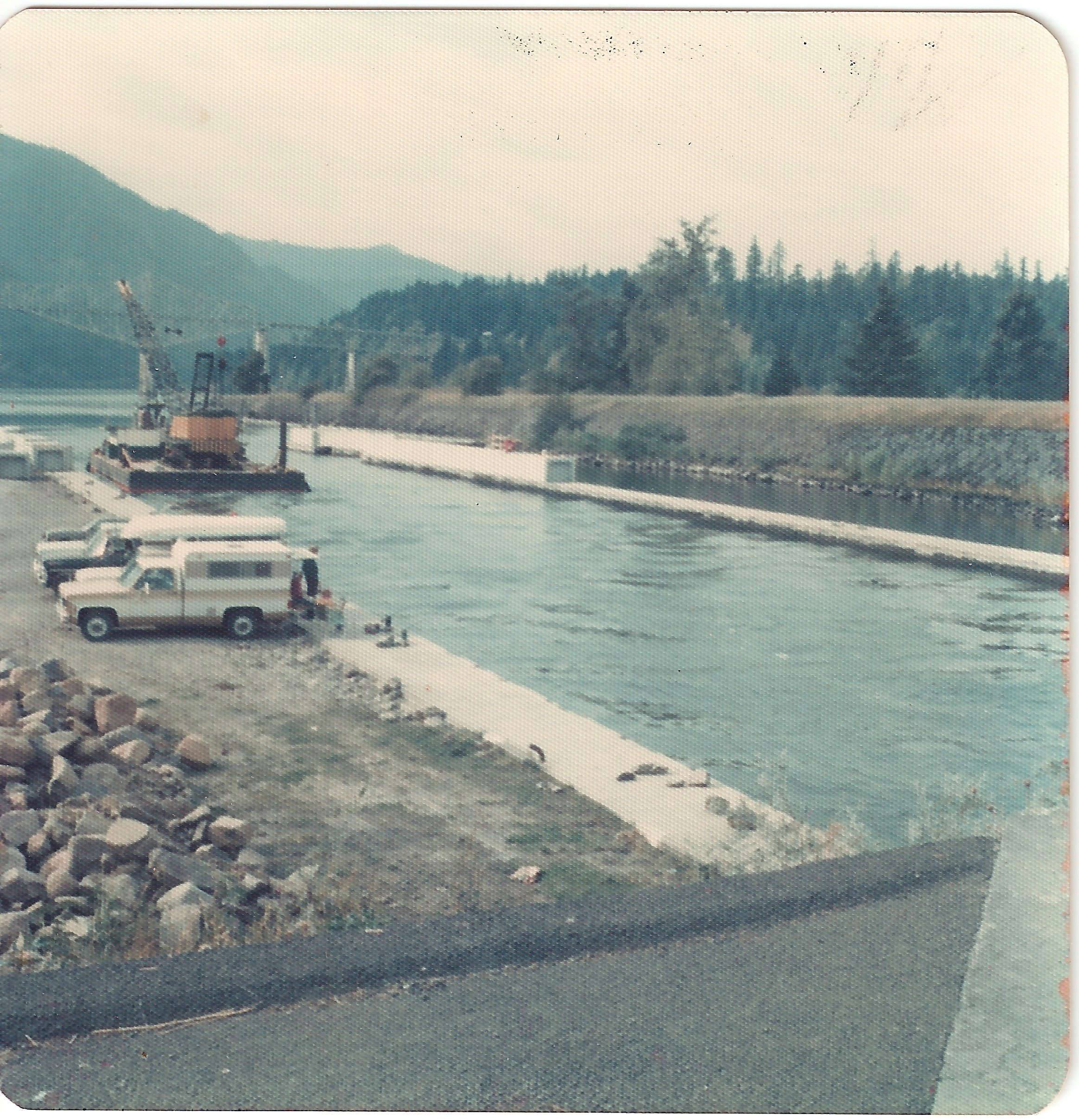
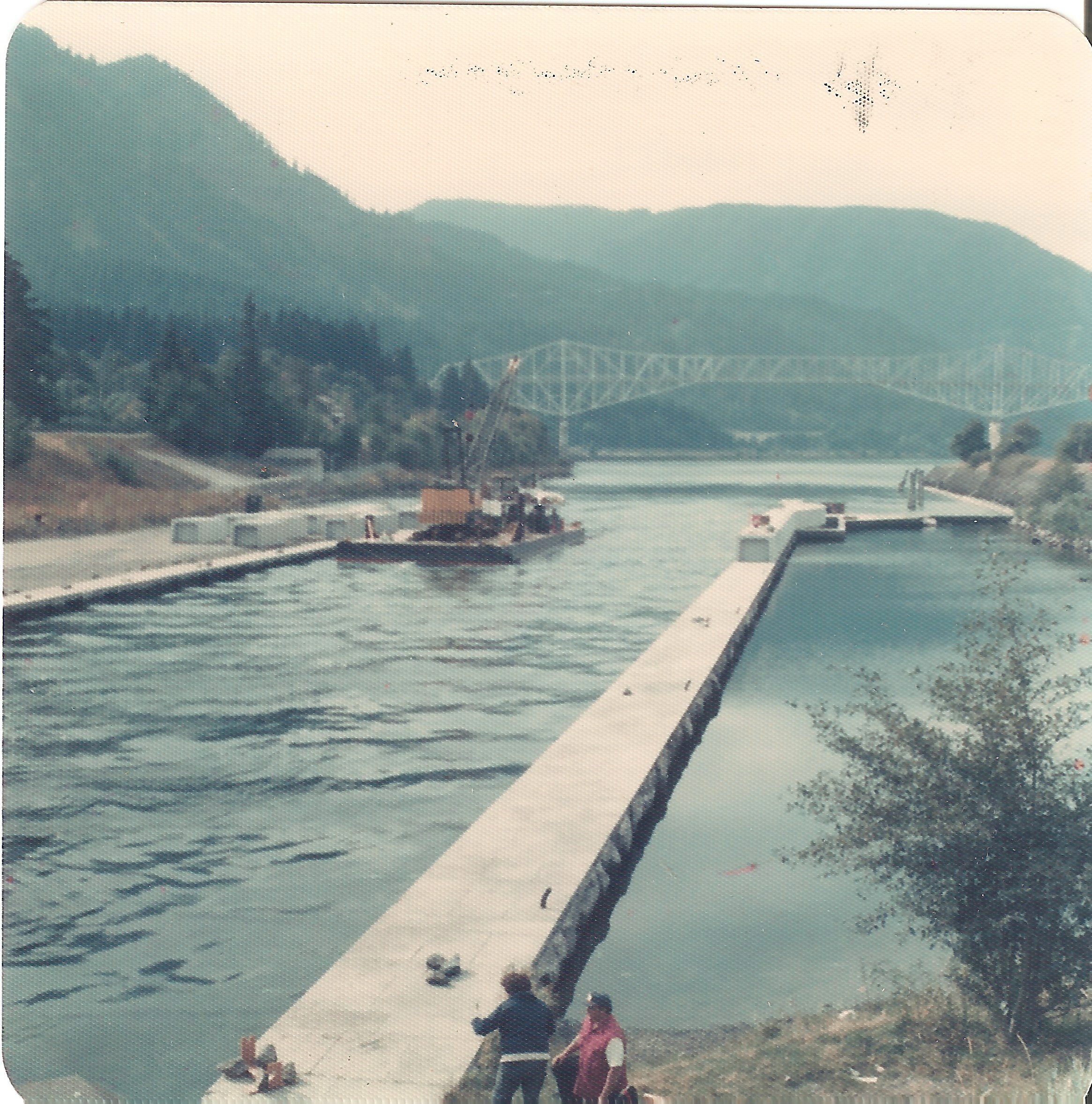
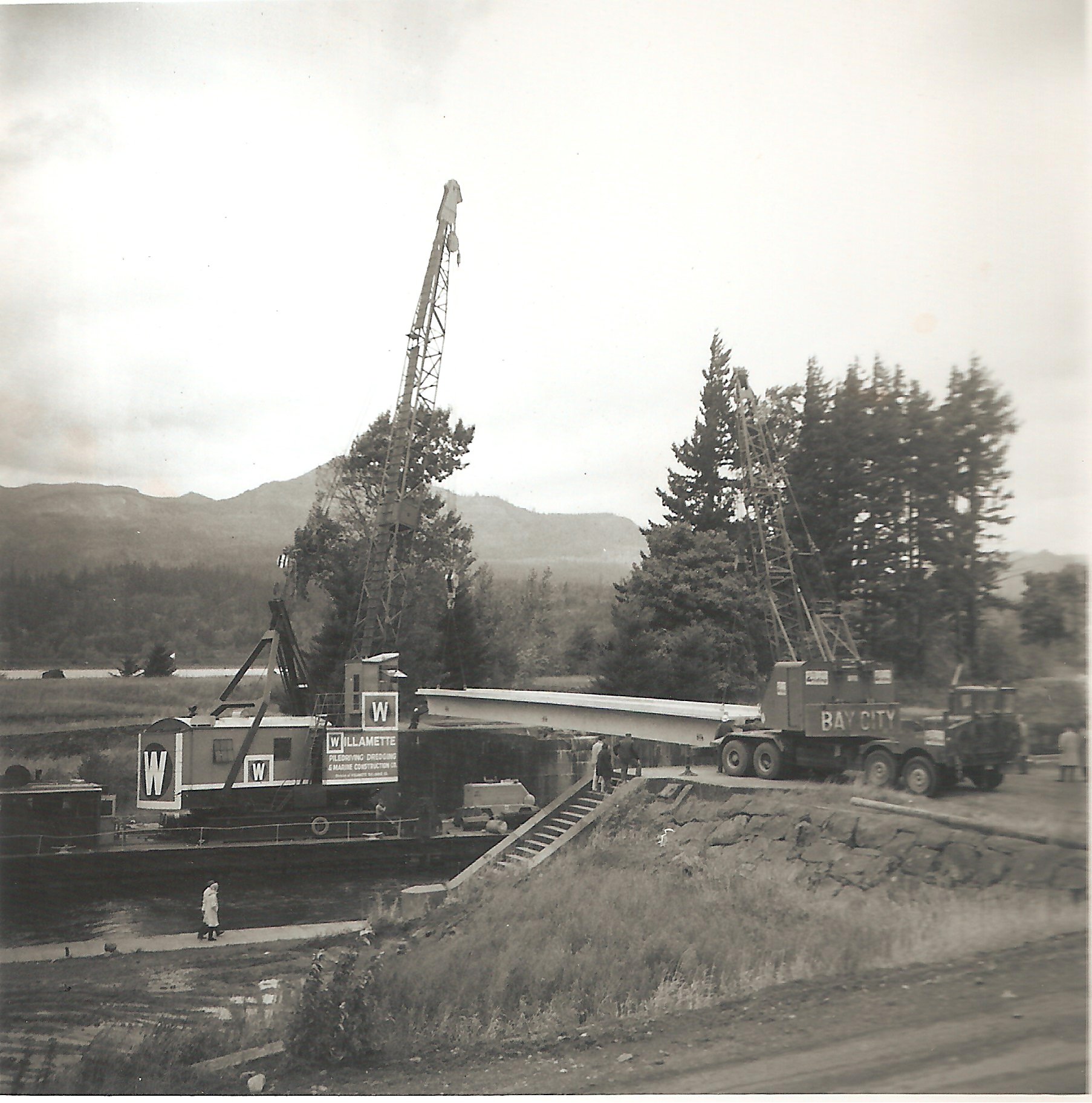
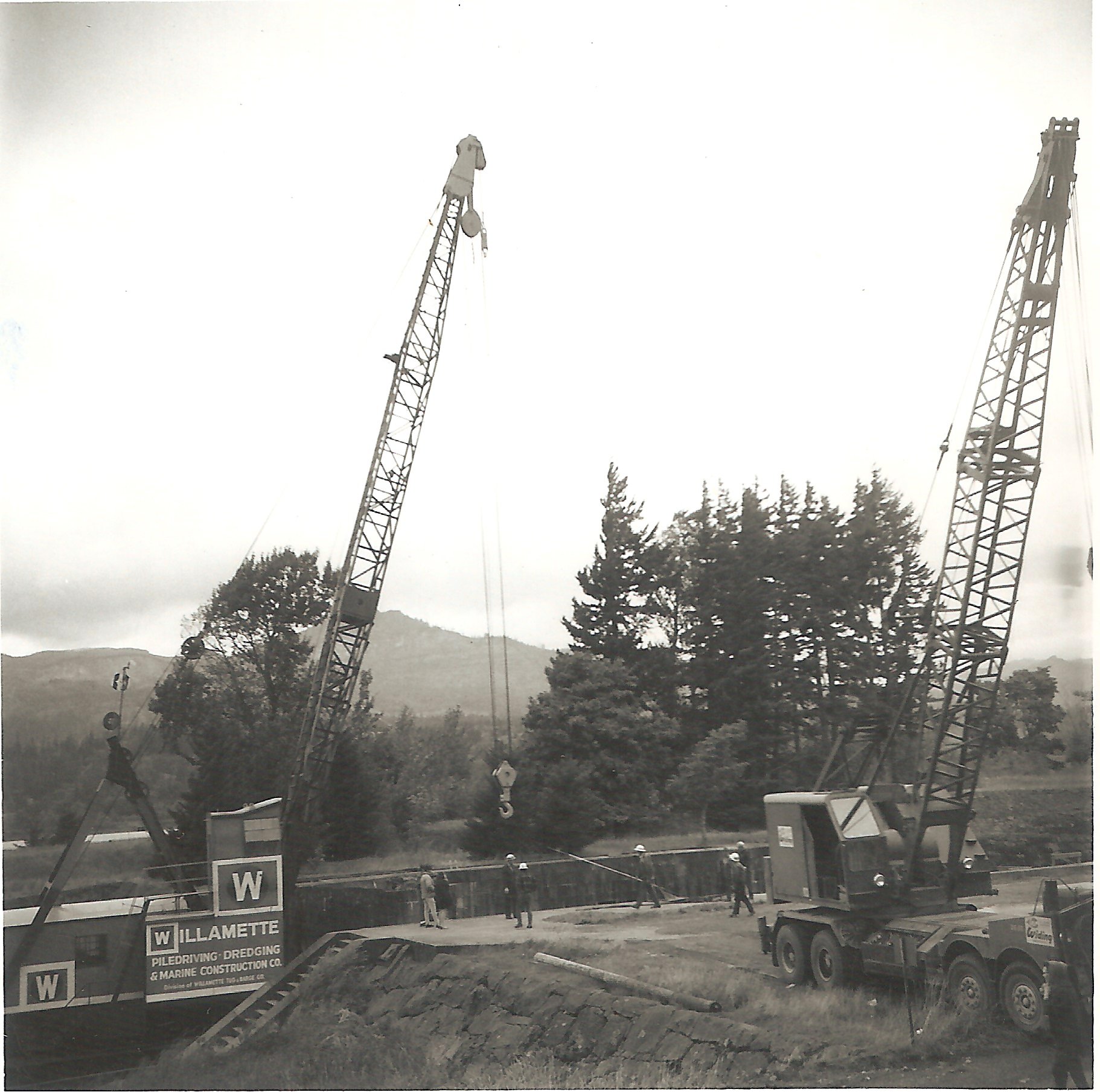
In 1954, the Army Corps transferred the remnants of Cascade Locks and the canal to the Port of Cascade Locks. As required by the property agreement, the Port began developing the area for recreational use, creating Cascade Locks Marine Park. The old canal walls remain a popular fishing destination. In 1969, the Port of Cascade Locks installed a footbridge where the upper lock gate had formerly been, allowing pedestrians to cross the canal. Photos from the footbridge installation show that no safety barriers were in place to prevent cars and people from falling into the canal.
In 1974, construction began on a second powerhouse at Bonneville Dam. The new construction raised the water level in the reservoir. To preserve access to the now-popular recreational uses of the old canal structure, the Port of Cascade Locks worked with the Army Corps to add an additional layer of concrete blocks, raising the top of the canal by five feet. These concrete blocks now serve as the curb that keeps cars within the parking lot.
In addition to the lack of safety features at the time, diving technology was not as advanced. Wetsuits were still cutting-edge military technology, aqualungs were only beginning to become commercially available, and divers primarily relied on old-fashioned diving suits. Given the depth, darkness, debris, and current, it is not surprising that the Martins' vehicle was not discovered earlier.